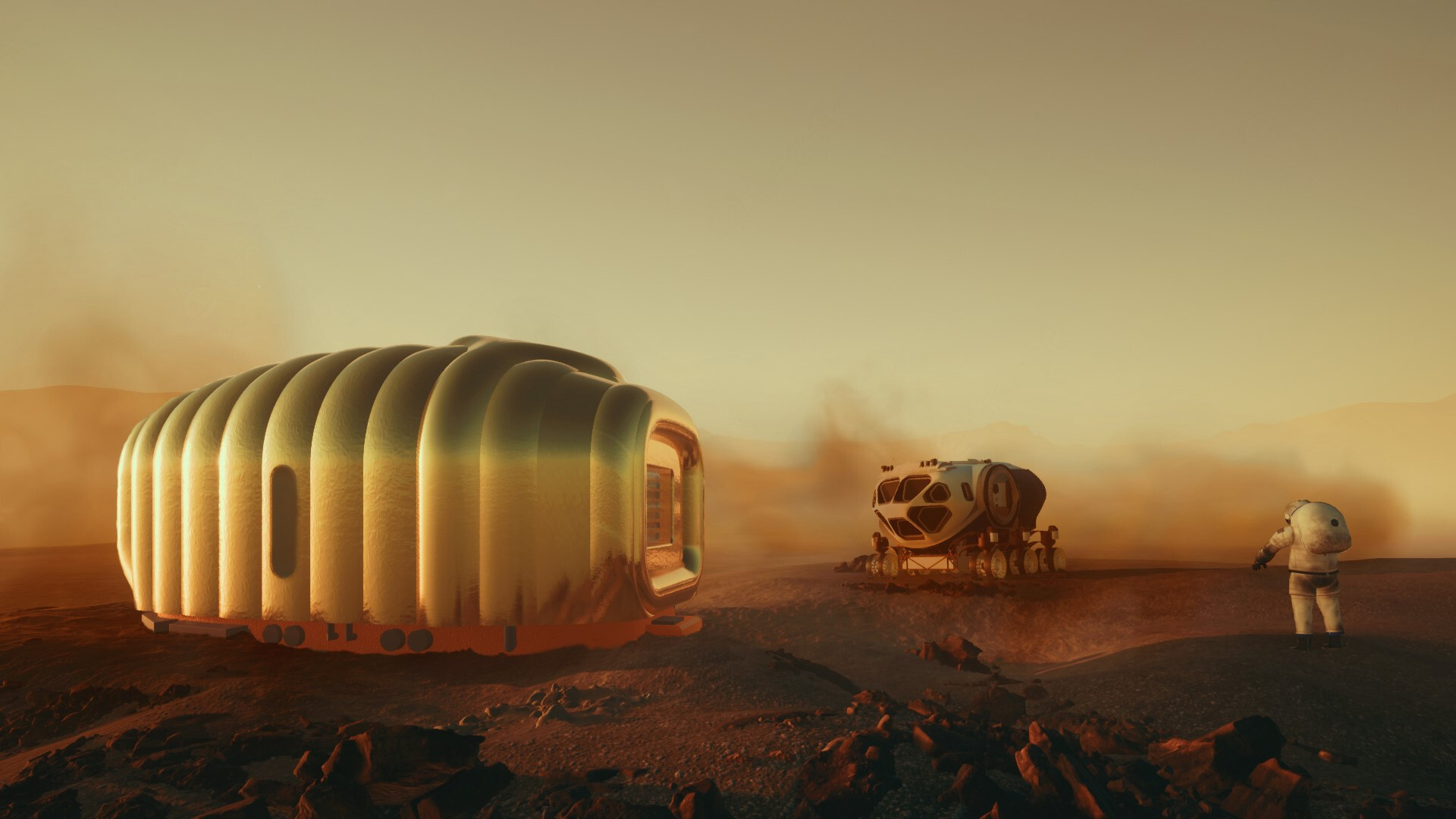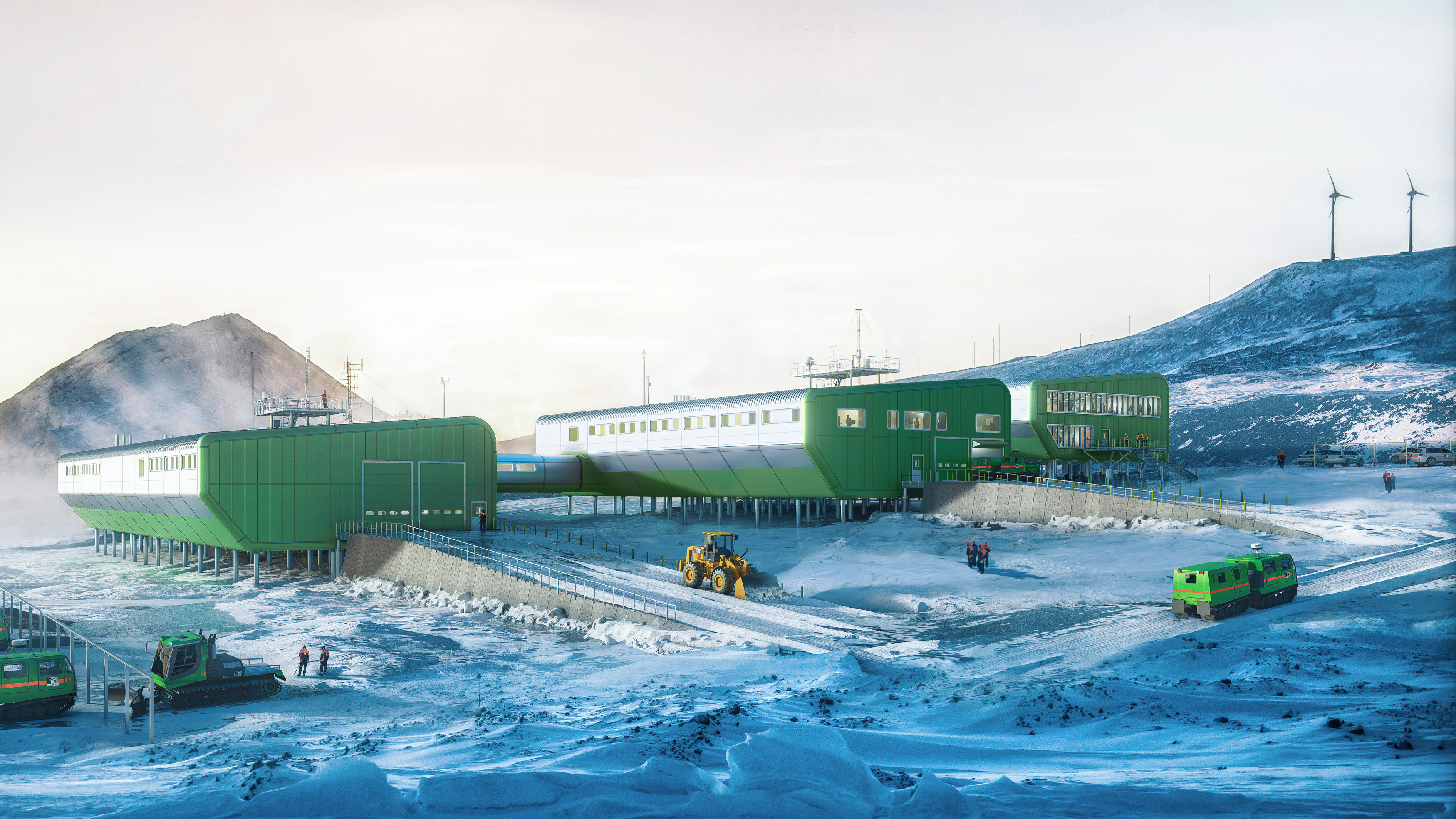
‘Building A Martian House’ was a public art project conceived by artists Ella Good & Nicki Kent, working in collaboration with Hugh Broughton Architects and Pearce+. It was presented in partnership with the M Shed, Bristol and funded by the Edward Marshall Trust. It brought to life a full scale Martian House that was designed through a collaborative process between artists, scientists, architects, engineers and the public.
The design was developed through a public outreach programme involving as many people as possible, from school children to rocket scientists. An exhibition about life in space was curated by the artists and was accompanied by a series of public workshops to investigate as many aspects of life on Mars as possible such as ‘how you would live well?’; ‘what would you take?’; ‘what would remind you of home?’ and ‘how would you relate to your surroundings?’
The two-storey 53 sqm house was powered by solar panels and designed to be lightweight and withstand the environmental challenges that would be faced on Mars - such as average temperatures of -63˚C and exposure to galactic and cosmic radiation.
-luke-o'donovan-(mid-res)-(1-of-24).jpg)
-luke-o'donovan-(mid-res)-(15-of-24).jpg)
-(19-of-24).jpg)
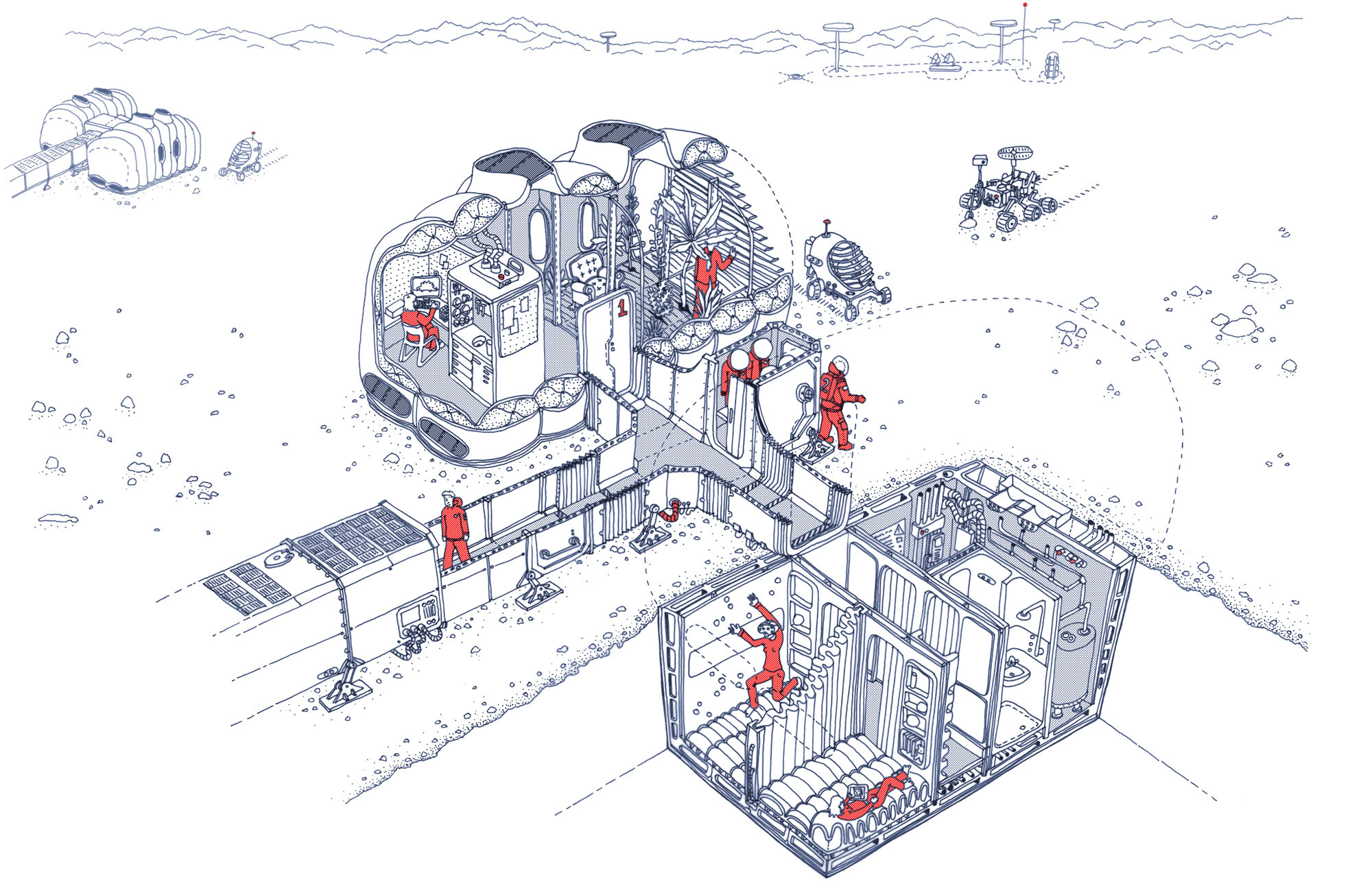
The upper level was designed to sit on the Martian landscape and was formed using a pressurised inflatable gold-coated foil, making it lightweight enough to be transported to Mars. In Bristol the foil was filled with air so it can be reused, but on Mars it would be filled with Martian concrete made of regolith (soil) and the water found below the surface, to provide protection from galactic and solar radiation.
Inside, a hydroponic living room is designed to surround occupants with plants to aid relaxation. On Mars this would be fed into a circular waste water system linking the plants with the ablutions and kitchen water systems. The house has a glazed elevation, with views towards Bristol’s Princes Wharf standing in for the Martian landscape.
-luke-o'donovan-(mid-res)-(7-of-24).jpg)
-luke-o'donovan-(mid-res)-(8-of-24).jpg)
The lower level would be built underground within the lava tubes that exist beneath the planetary surface. As Mars has a thin atmosphere this will protect the inhabitants from high levels of radiation. The lower level of the prototype in Bristol was formed in re-used shipping containers, printed with illustrations from artist Andy Council, who also documented the workshop process which determined the design.
This level contains the environmental control room with all the life support systems powering the house, two compact bedroom ‘pods’; along with a shower and a ‘Martian loo’ with low water use.
The interior design was developed with a group of volunteers and came to life over the lifespan of the project; everything from furniture to the smaller essentials of everyday living like Martian clothes, toothbrush and wallpaper, with a focus on creating items that are easy to repair, are multi-functional and contribute zero waste.
-luke-o'donovan-(mid-res)-(3-of-24).jpg)
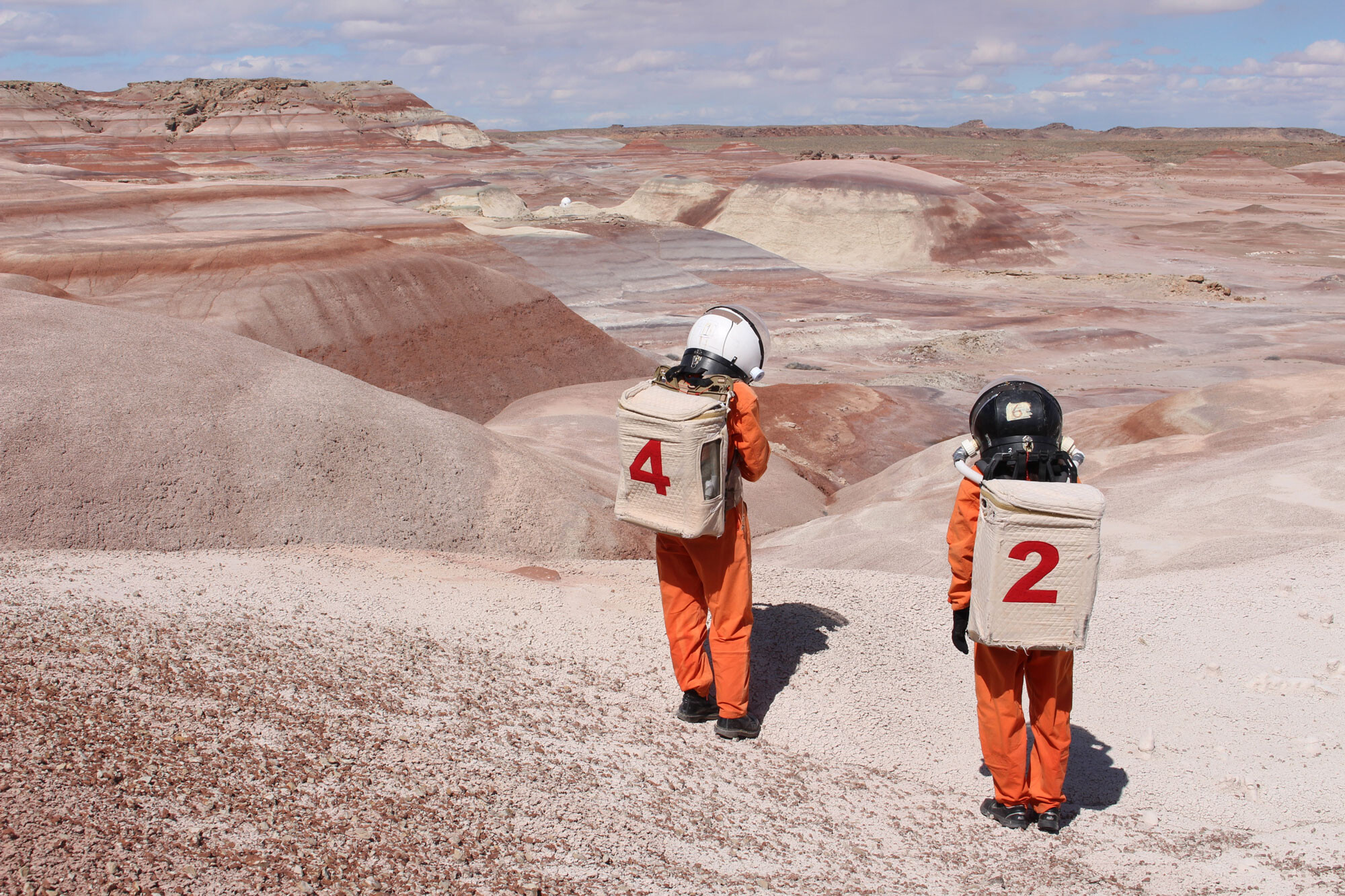
The installation was accompanied by a public program of workshops and talks about sustainability, community, the future, as well as the opportunity for the public to go inside the house. The house also provided a space for small research groups to work collaboratively on projects that can help us rethink life on Earth by exploring the challenges of a future life on Mars, discussing topics such as shortage of resources, circular economies, self-sustaining food production and ways to reduce waste.