|
|
|
|
|
Temperate House Decarbonisation
|
|
|
|
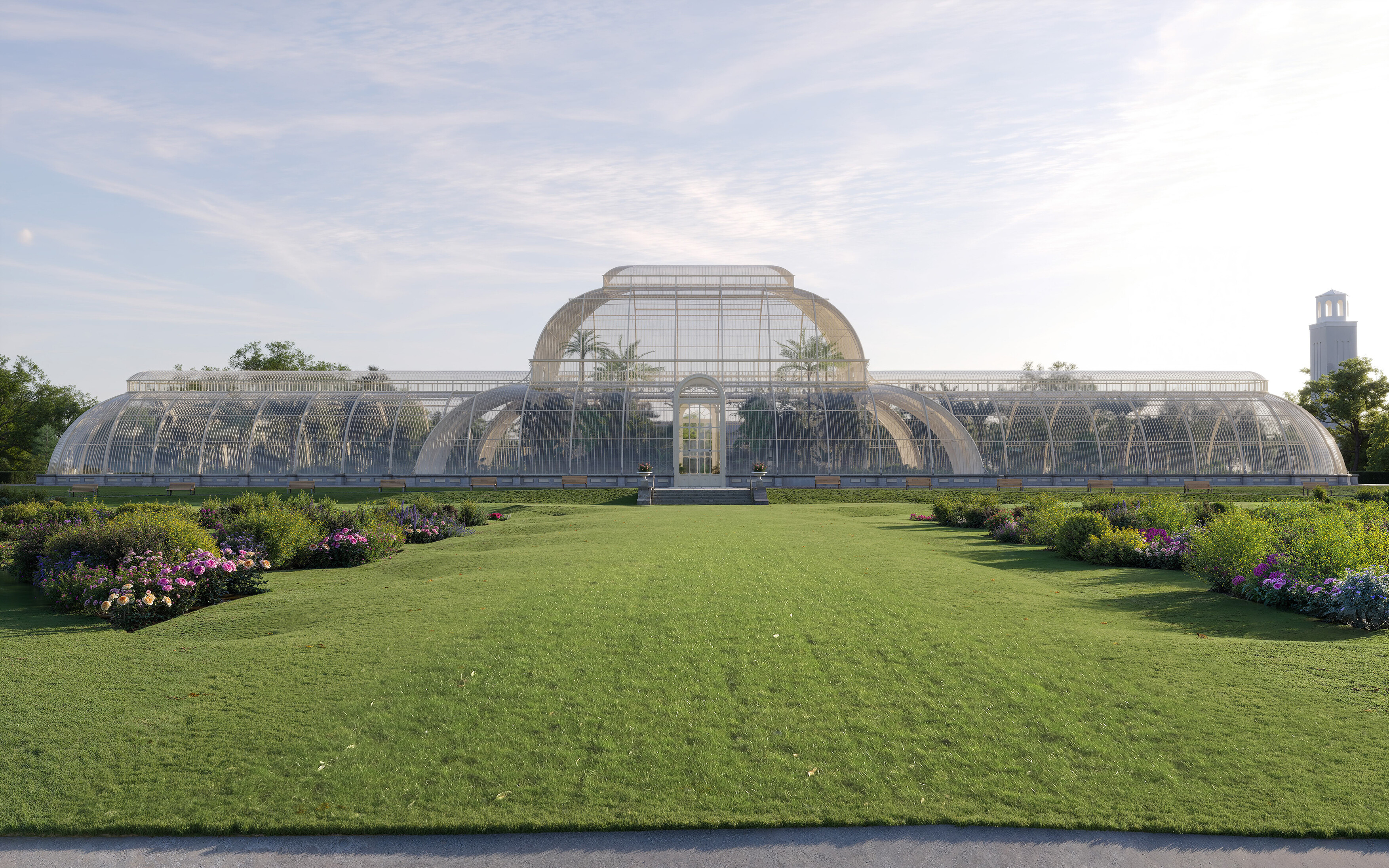
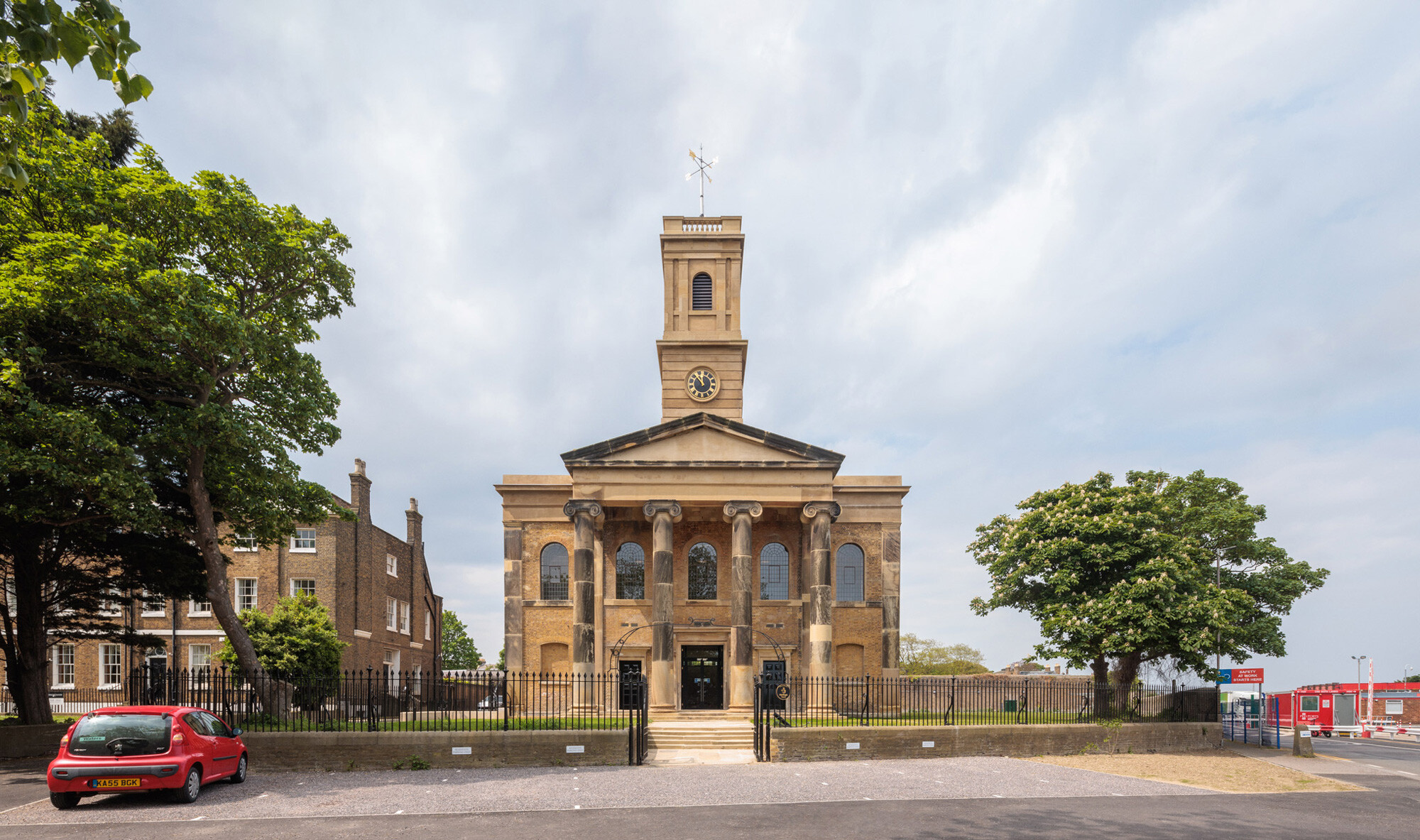
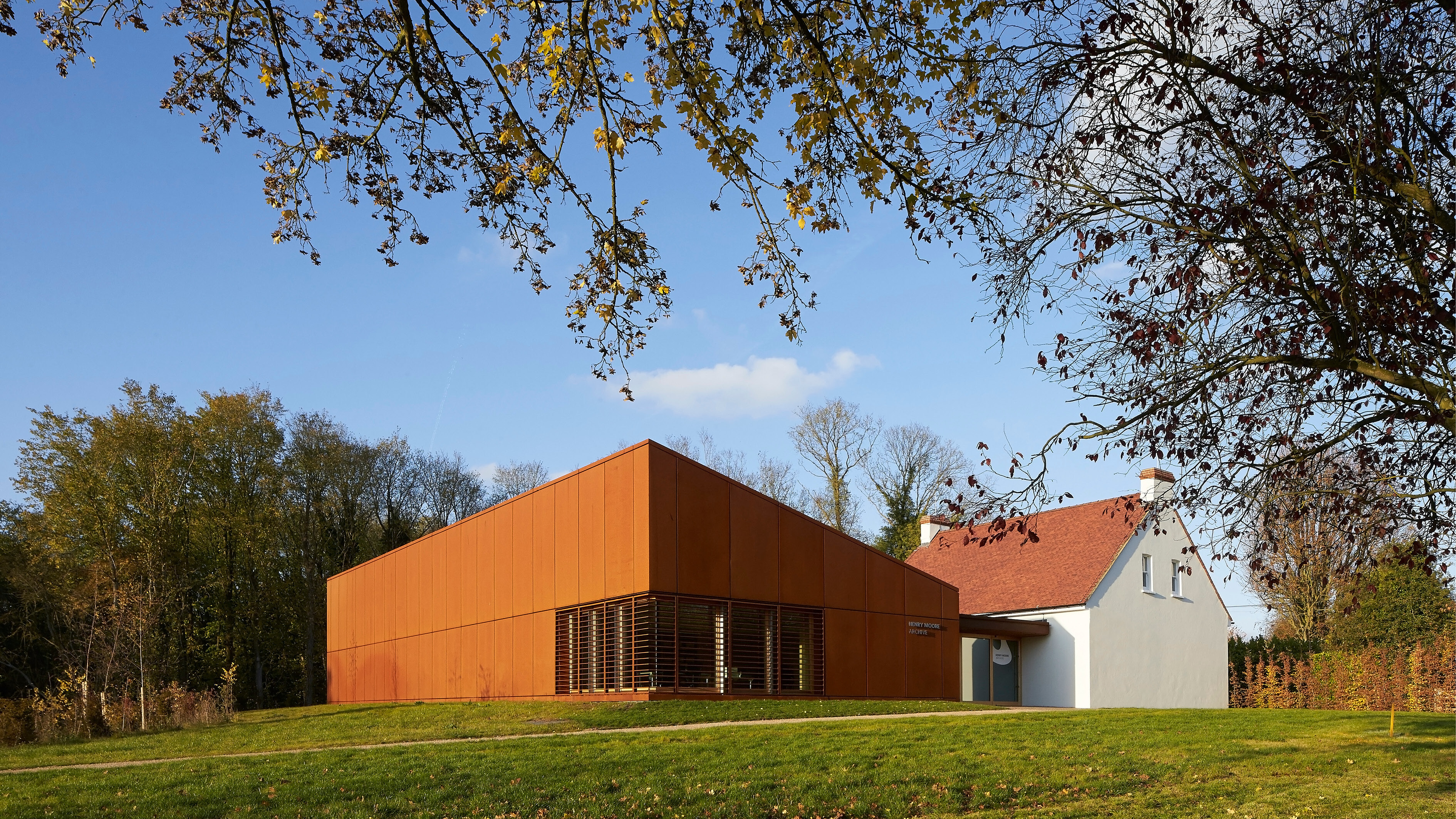
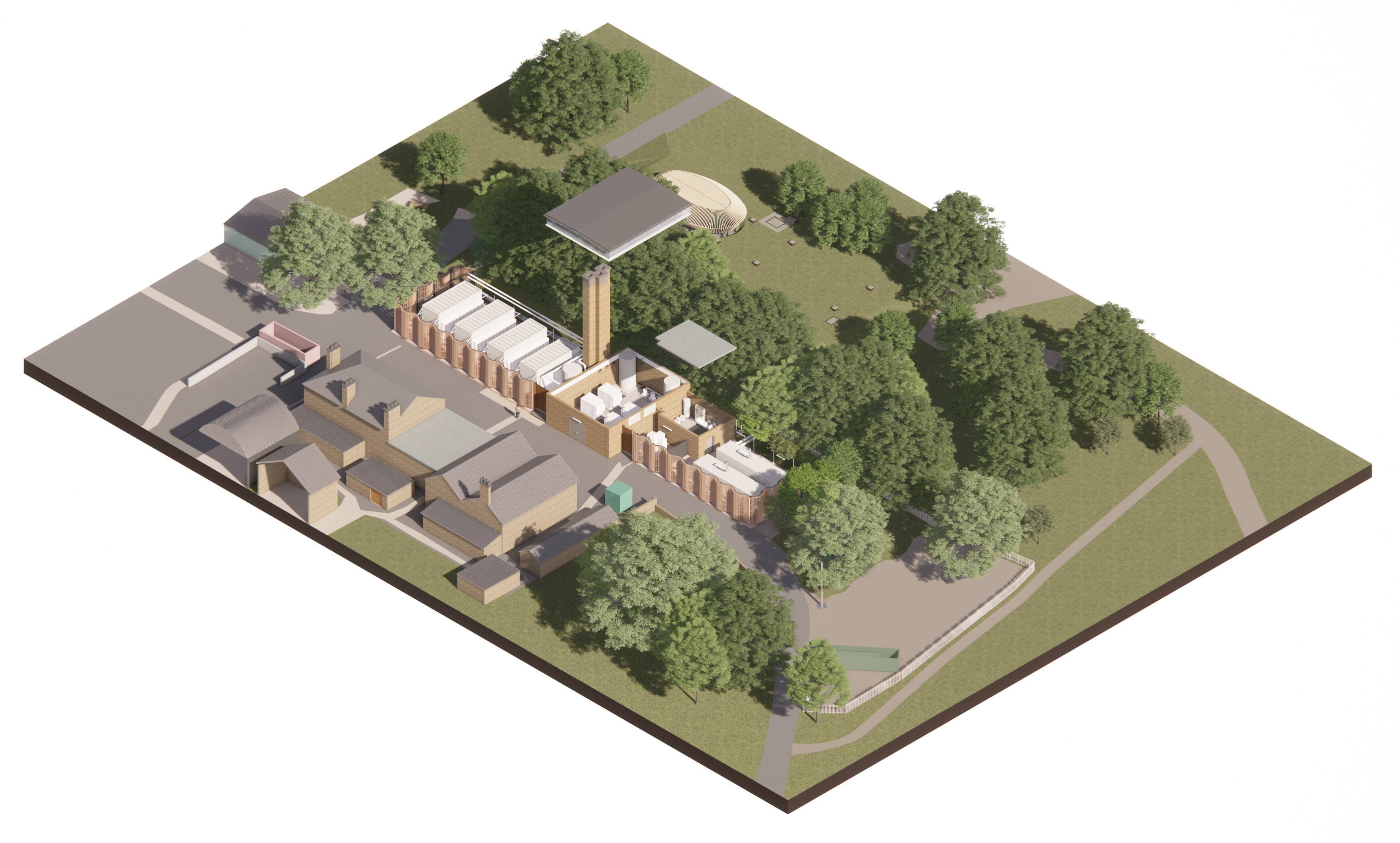
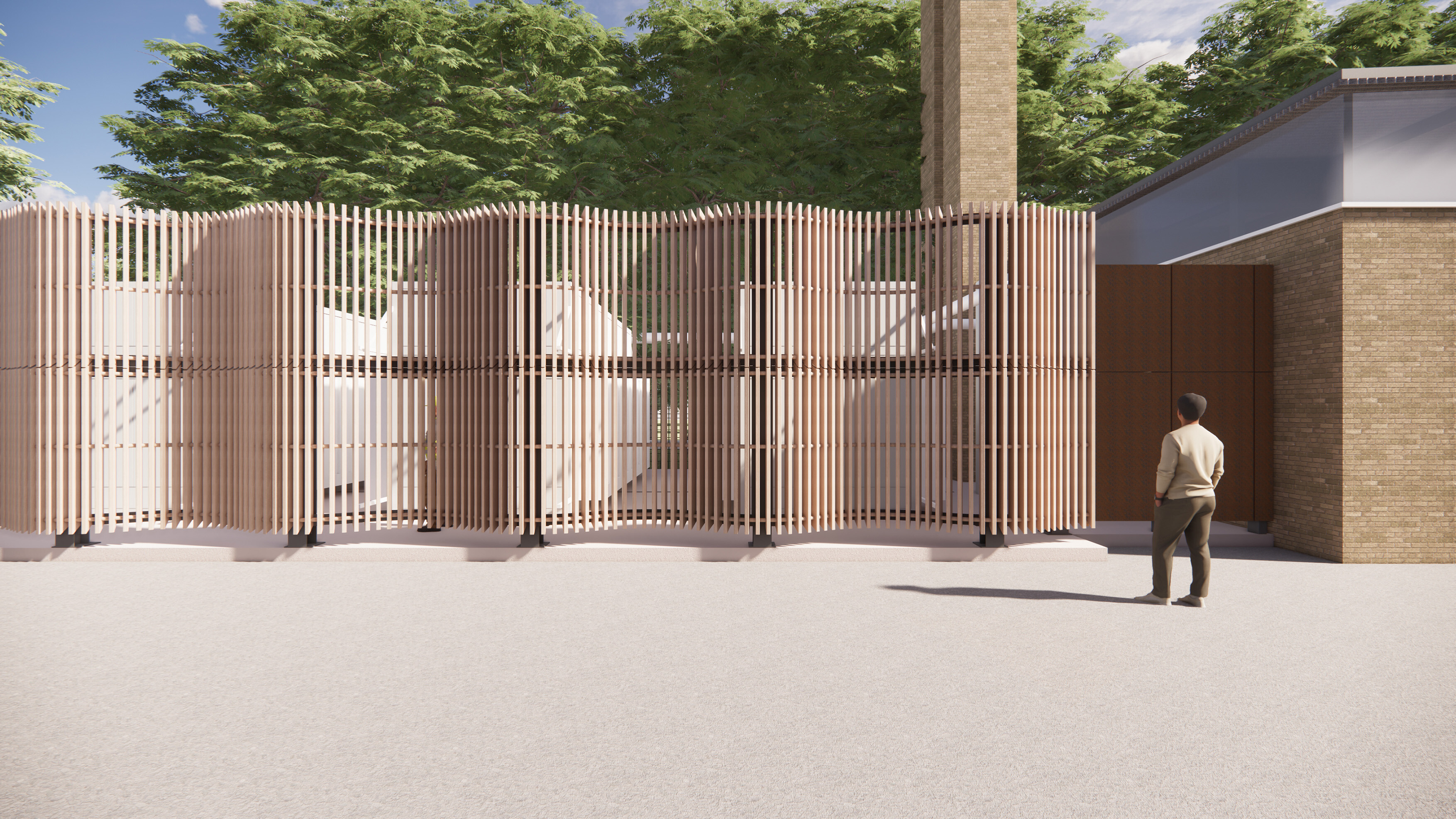
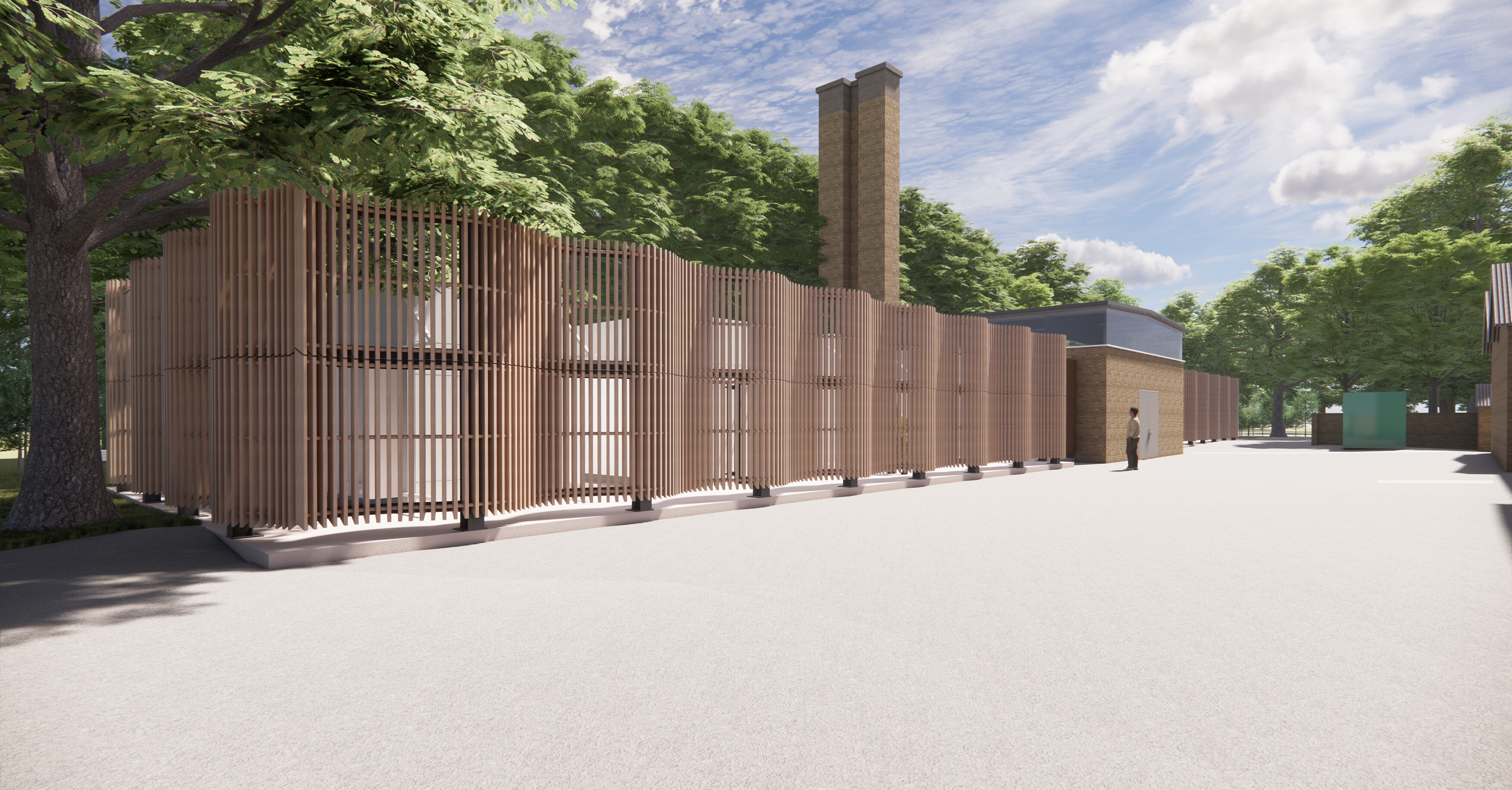
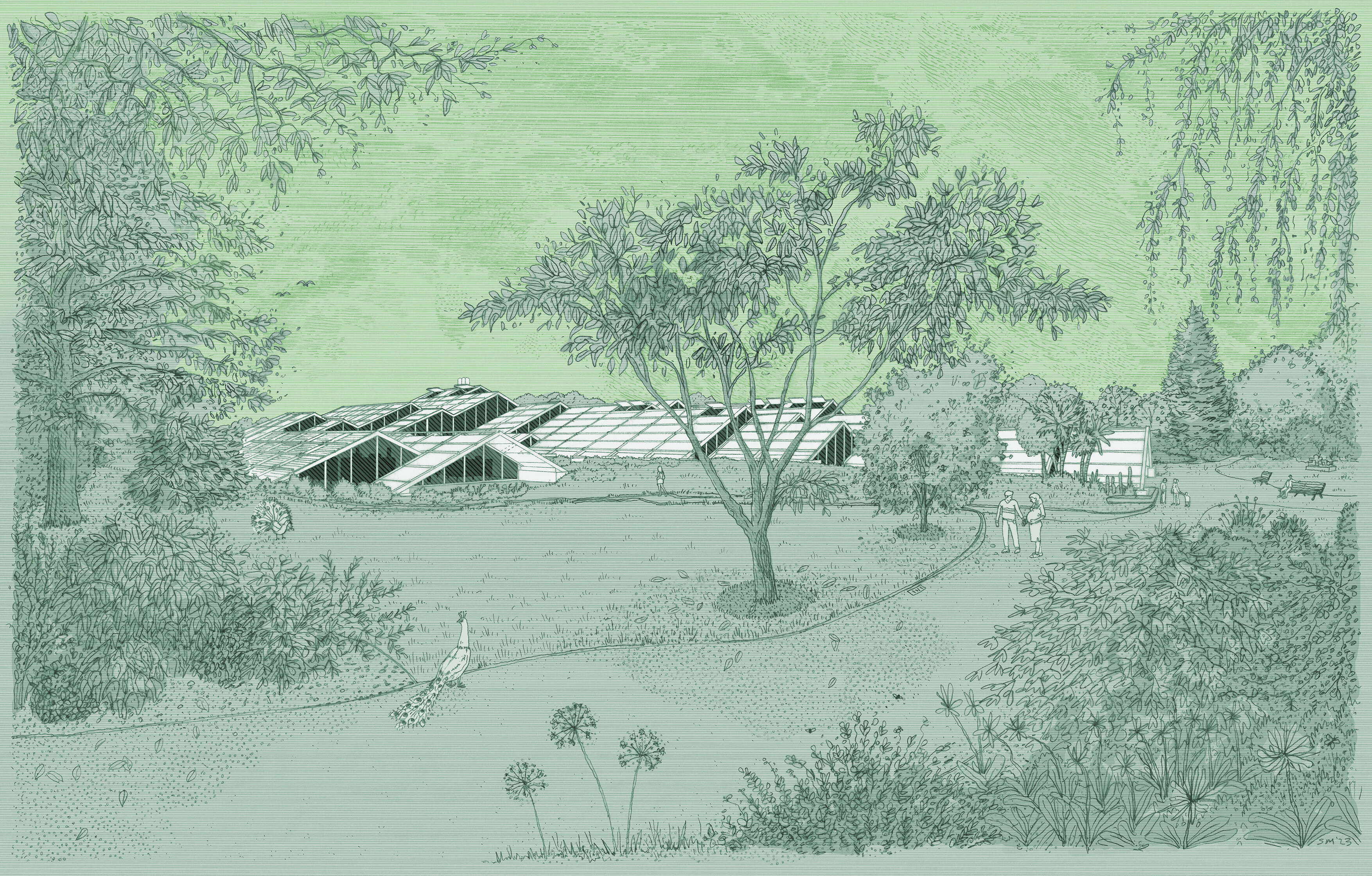
The Temperate House first opened to visitors in 1862 and is the largest Victorian glasshouse in the world. It comprises five interconnecting pavilions formed of iron, glass, stucco and timber casements. Despite being extensively renovated between 2013-2018, the building still relies on fossil fuels to heat the space. Alongside our subconsultants, we have developed a comprehensive solution to address the reliance on fossil fuels and consider both existing and future needs of the glasshouse heating system. The proposed heating system comprises air source and water source heat pumps arranged in a two-stage cascade system. All the equipment will be housed in new open-air enclosures. The design of these enclosures draws inspiration from crinkle-crankle walls which were used in Suffolk and Hampshire during the 18th century to improve lateral stability and reduce the amount of material required. Vertical louvres set out in a sinusoidal, serpentine form help to disguise the mechanical equipment within the natural setting of the tree canopies behind. The proposals emulate the design language and materiality of the nearby Irrigation Pumphouse, completed by Hugh Broughton Architects in 2024. Planning consent has been granted and work has started on site, with completion expected in June 2026. |
|
|
|
|
|
Maitri II, Indian Antarctic Station
|
Dronning Maud Land, Antarctica
|
|
|
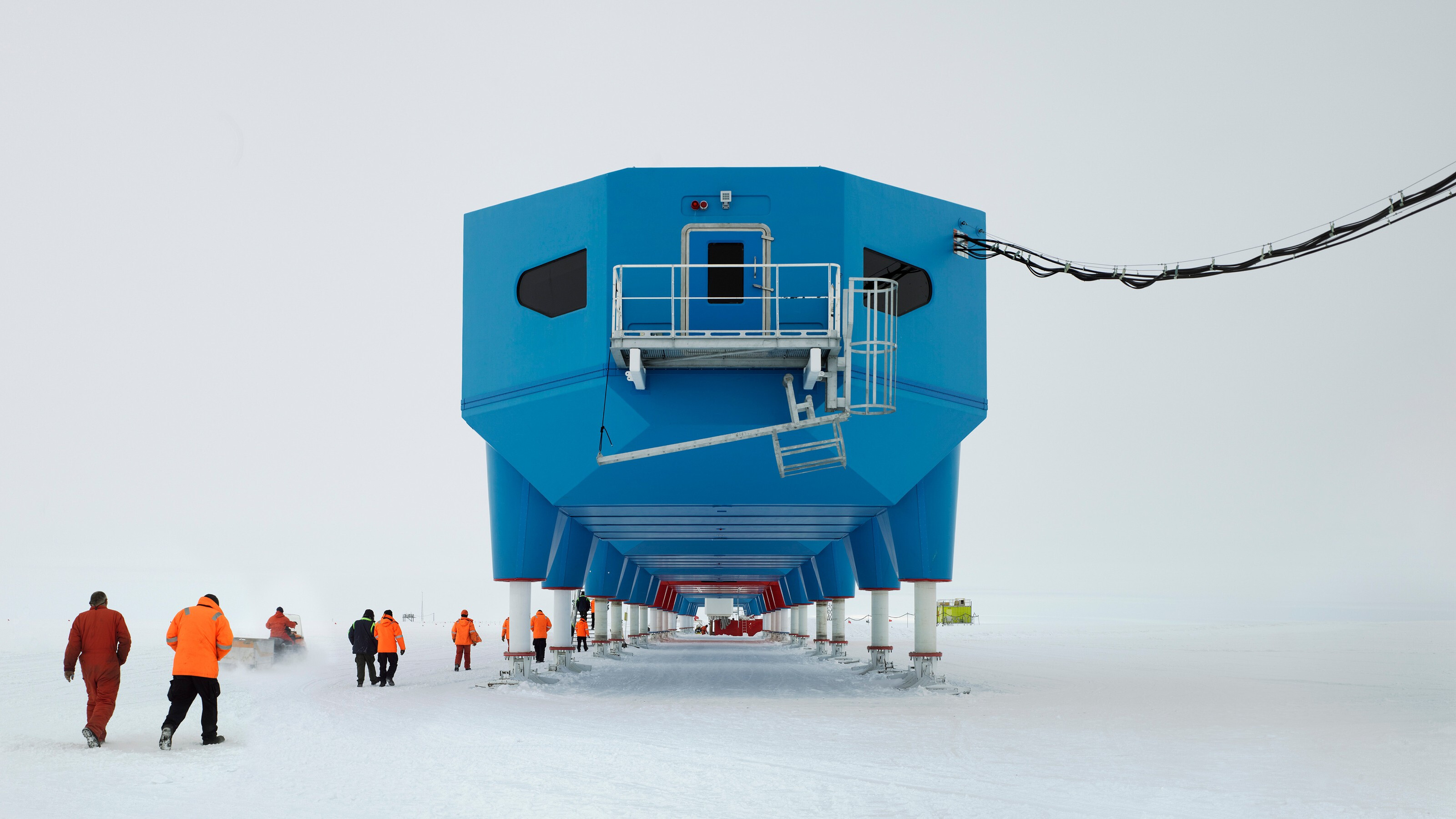
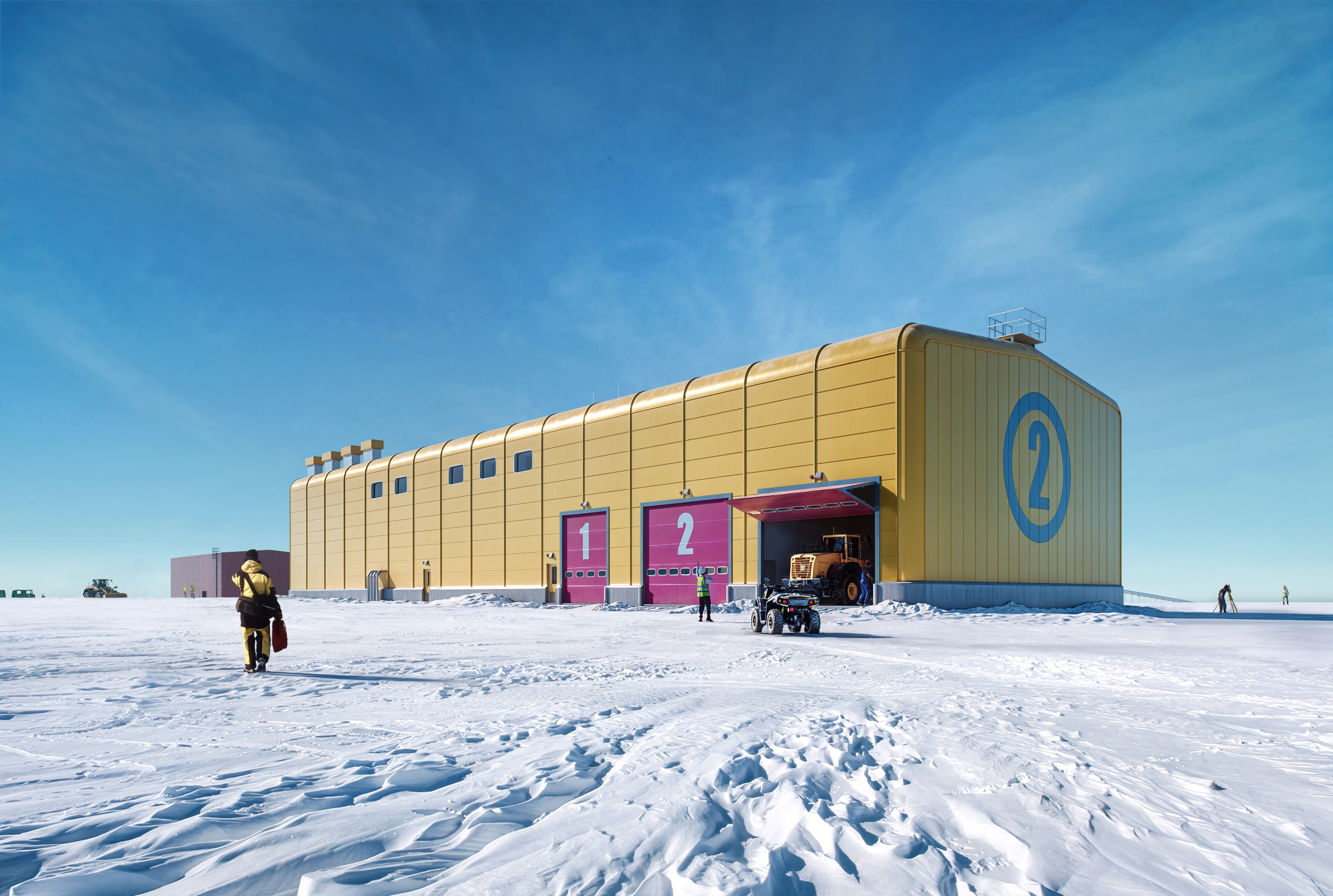
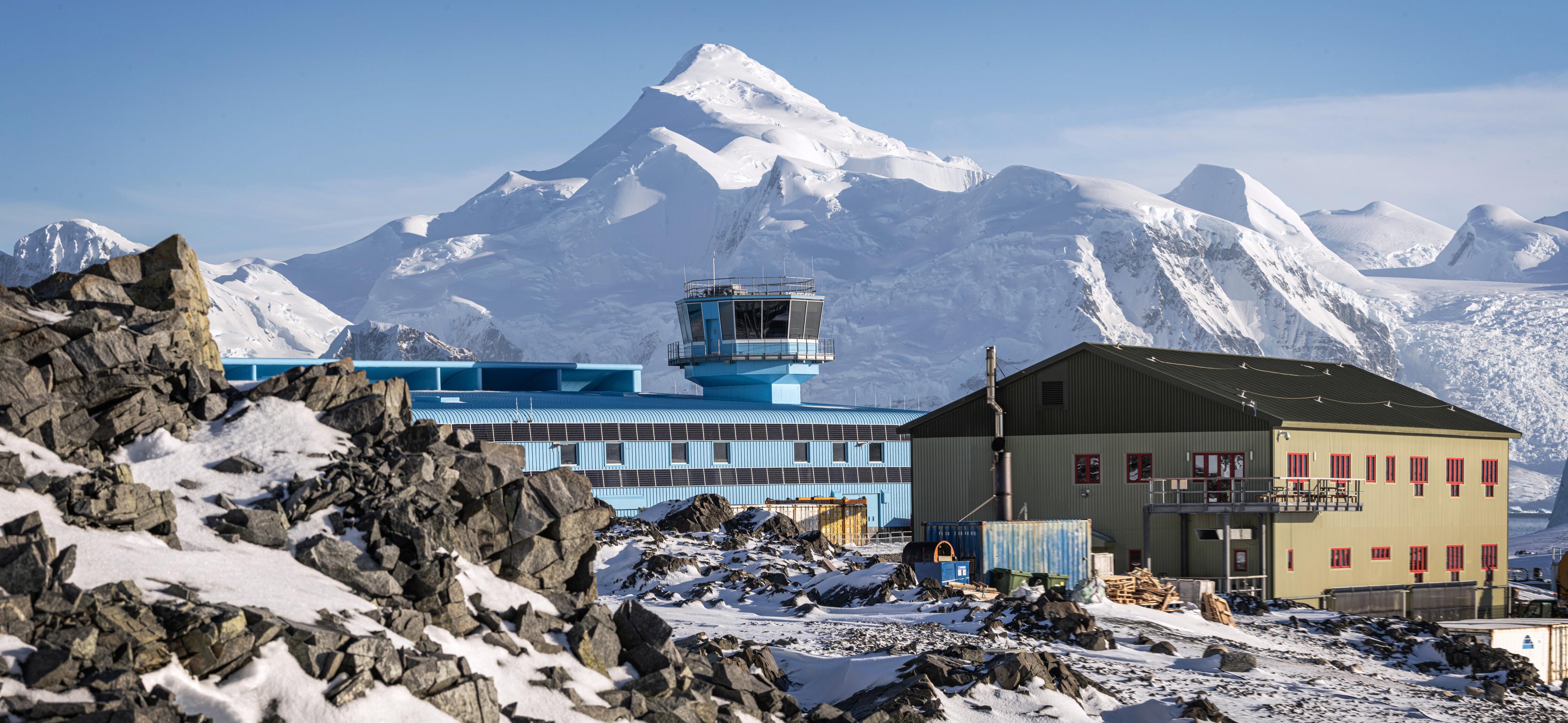
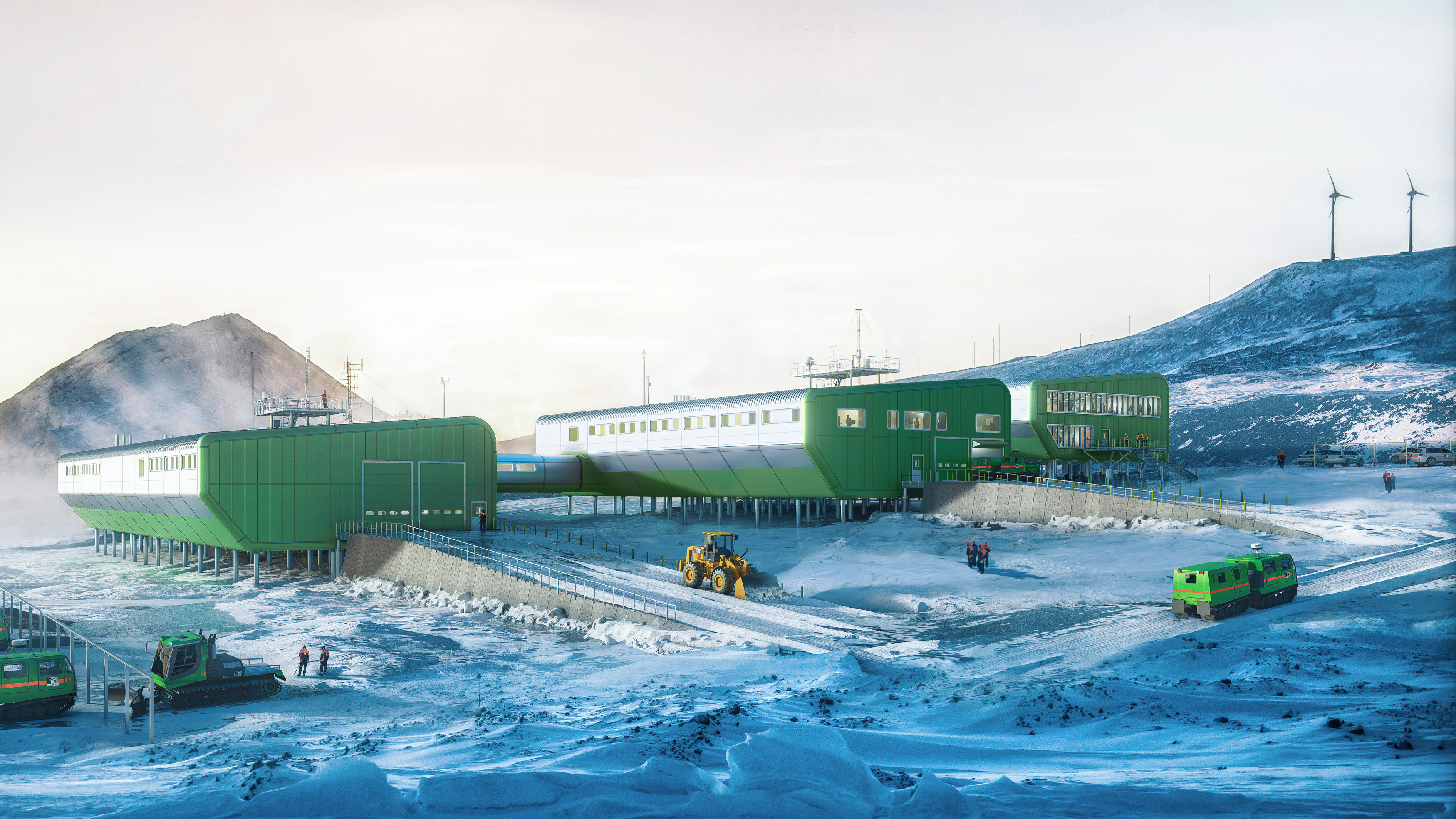
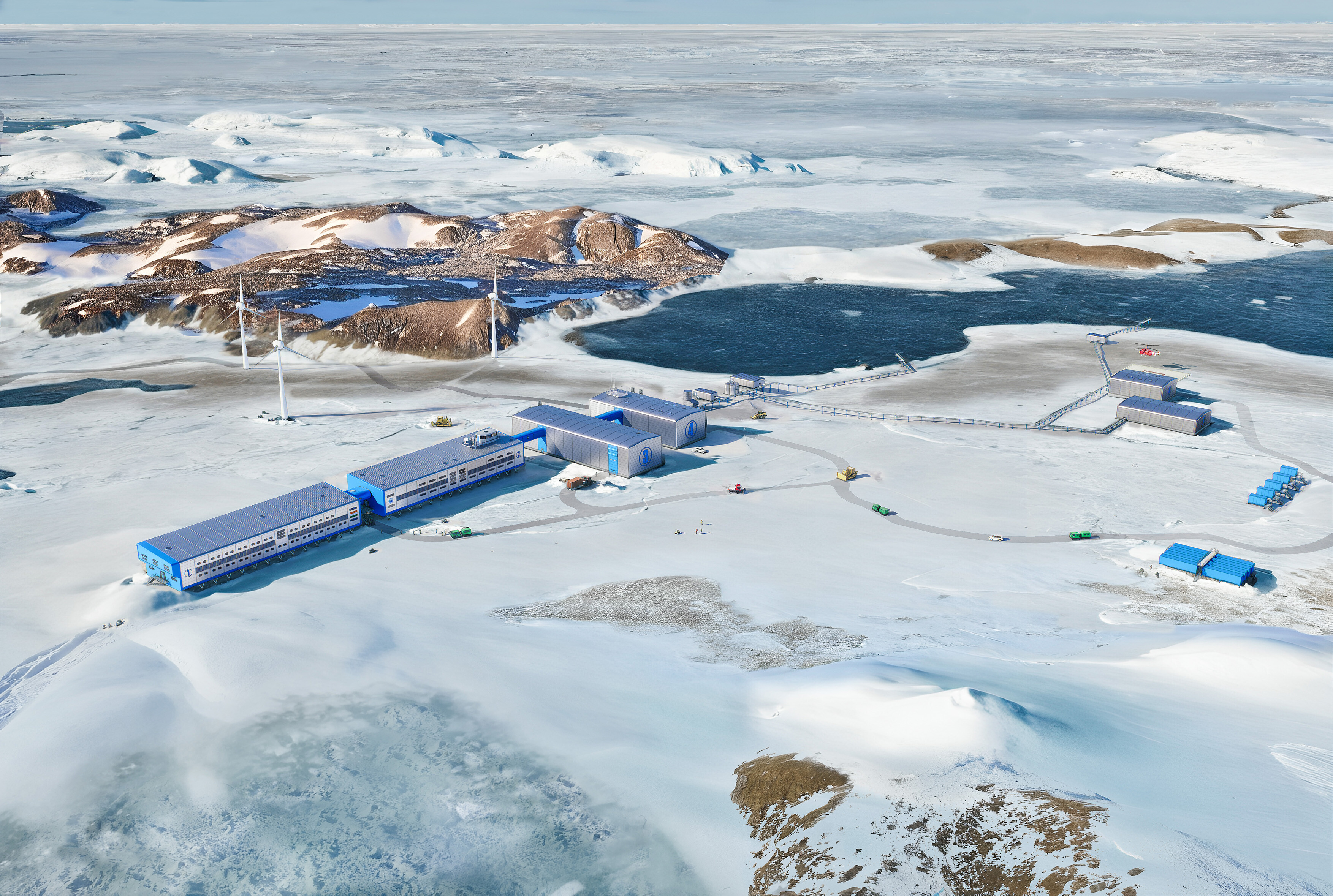
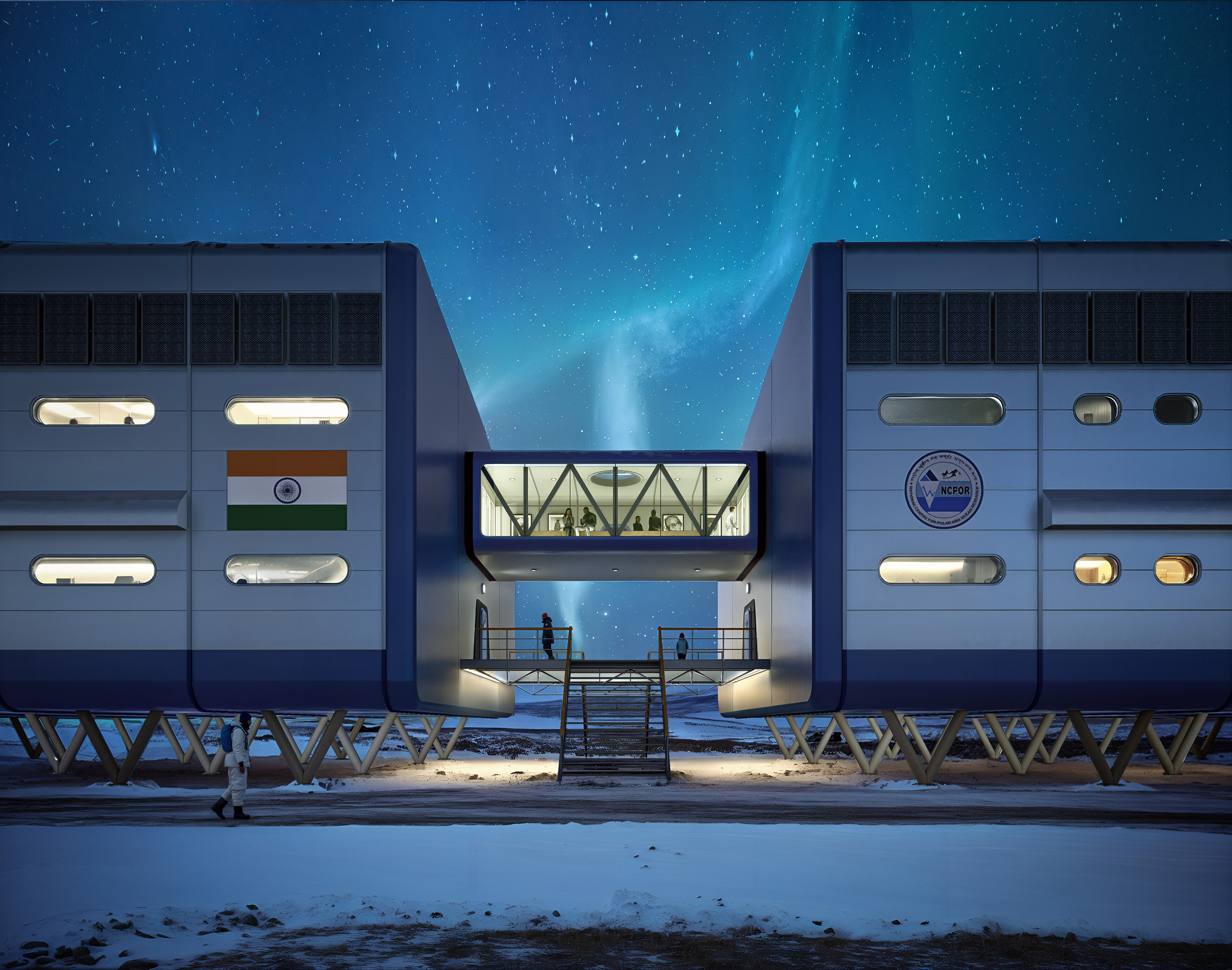
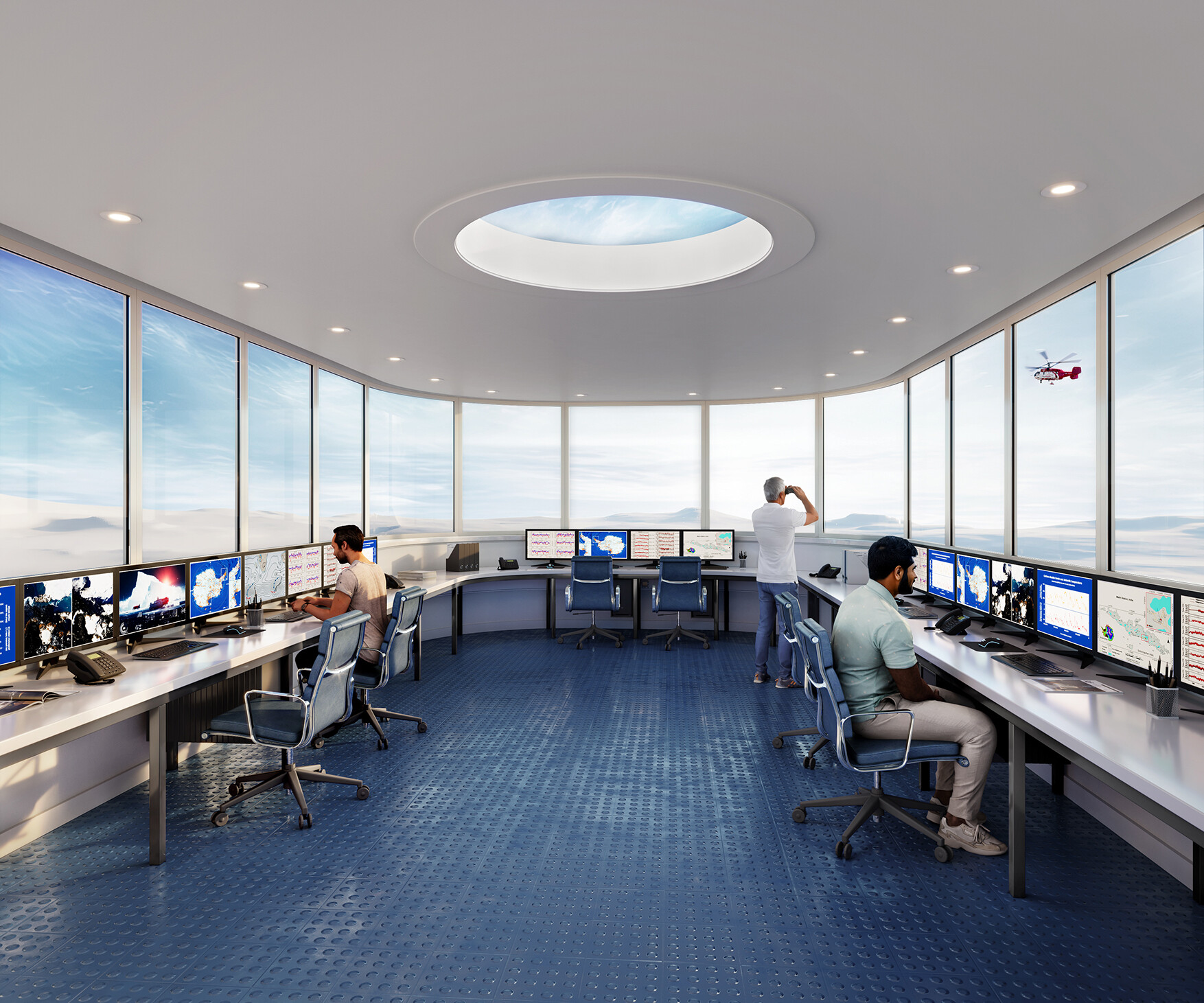
Our design for the Maitri-II Antarctic research station offers a sustainable, functional and resilient solution tailored to extreme polar conditions. Drawing from extensive experience designing polar facilities worldwide, the proposal situates the new station within the existing Maitri footprint to minimize environmental impact and cost. Elevated buildings are oriented to reduce snow accumulation, enhance views, and support mental well-being, while ground-based structures accommodate access for heavy equipment. The station is based on a modular “kit-of-parts” system, facilitating prefabrication, efficient transport, and rapid on-site assembly. The layout uses a standardized structural grid aligned with container dimensions to streamline construction. Key buildings include living quarters, science and admin spaces, dining hall, vehicle workshops, warehouses, and a central energy hub—connected via enclosed bridges to maintain warmth and accessibility. Energy is primarily sourced from wind turbines, supplemented by solar panels and supported by a Battery Energy Storage System and an innovative sand battery for thermal storage. Heating and ventilation systems are highly efficient, with heat recovery and moisture extraction features. Water is drawn and treated from Priya Darshani Lake, while advanced wastewater treatment ensures safe discharge. Culturally, the design incorporates Vastu Shastra and Indian architectural elements to foster a sense of home. The approach emphasizes long-term resilience, minimal maintenance, and adaptability. Through collaborative planning and BIM integration, the station promises a digitally coordinated, sustainable asset that can support India's Antarctic presence and climate research with minimal environmental footprint. |
|
|
|
|
|
|
|
|
|
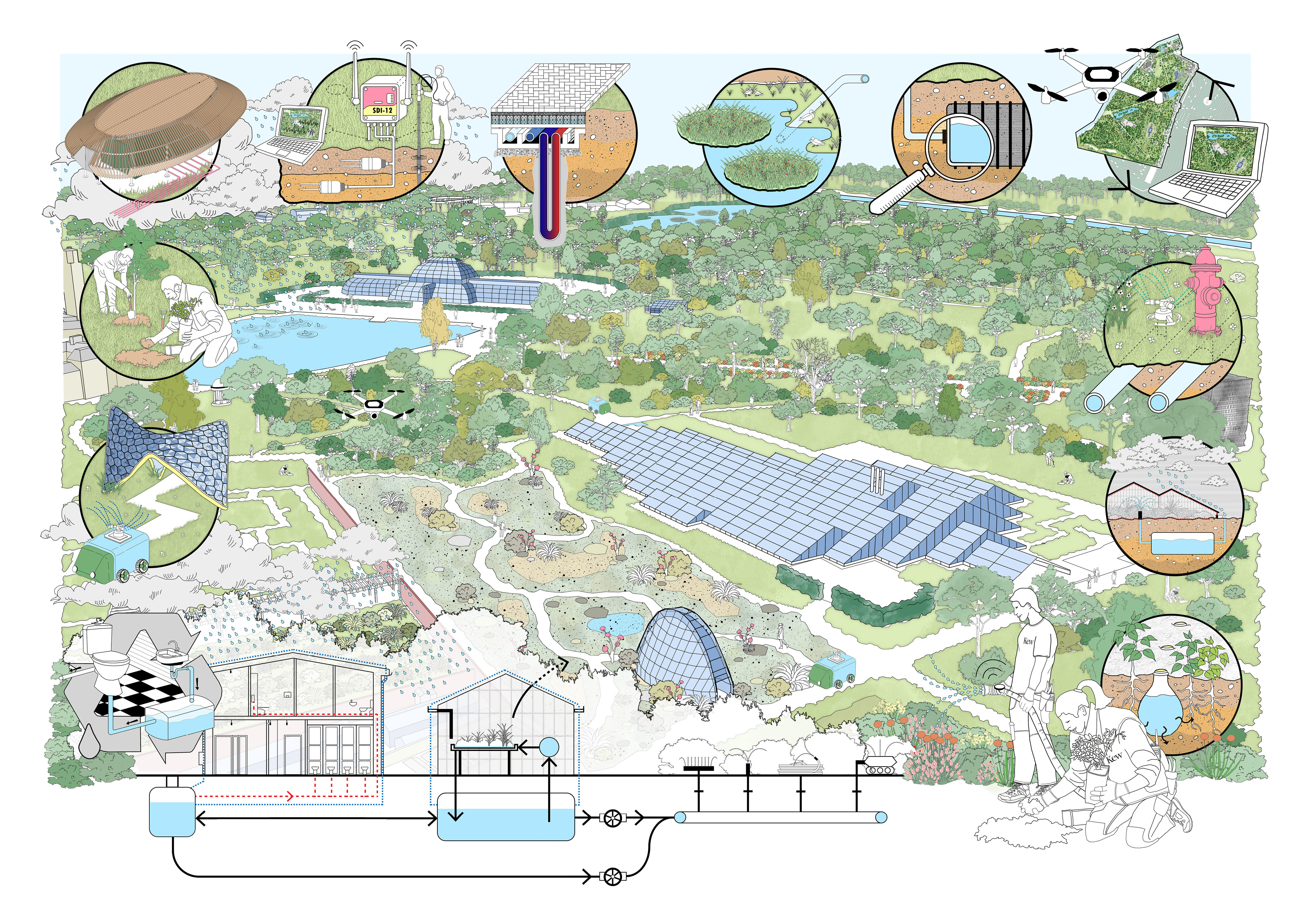
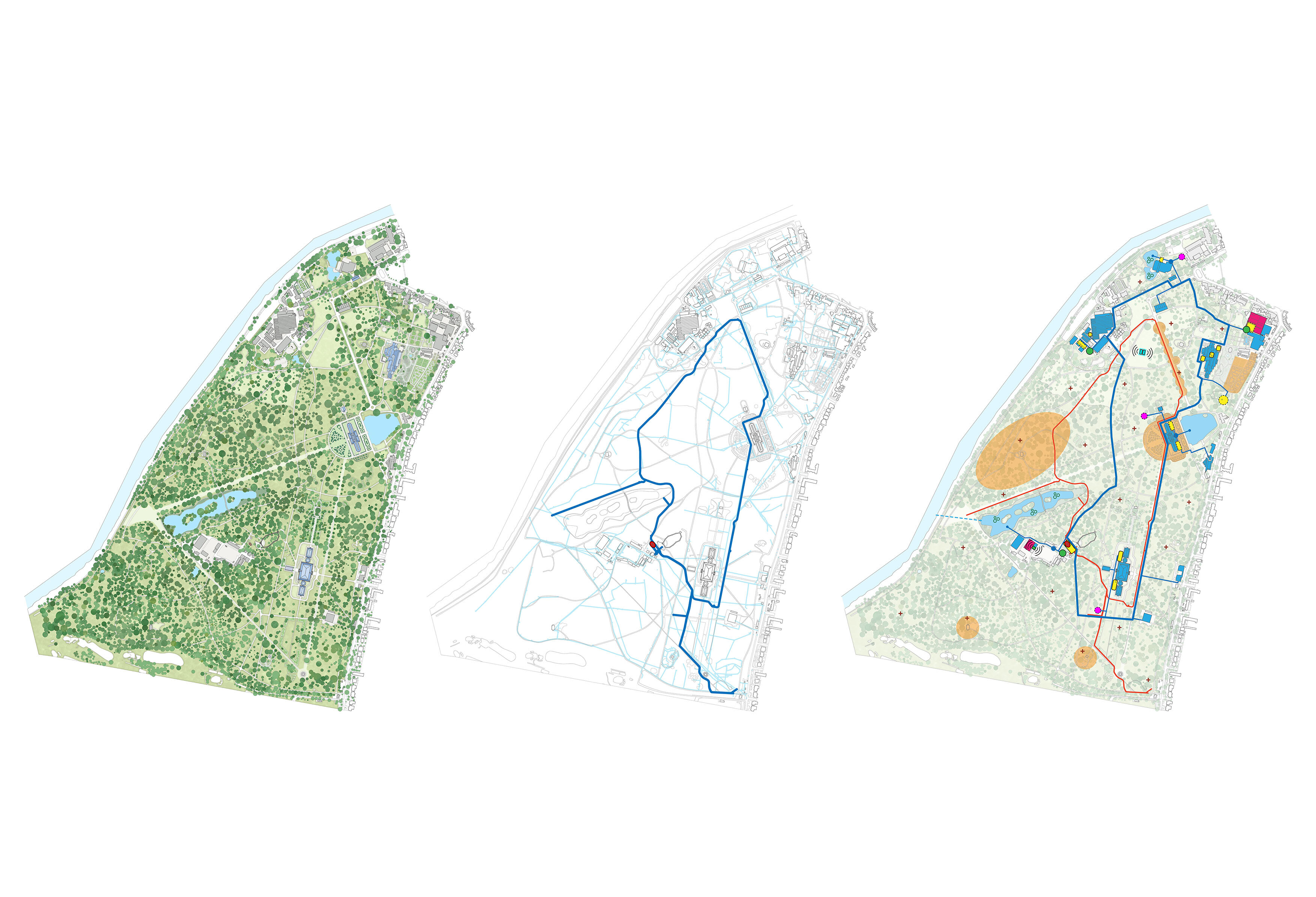
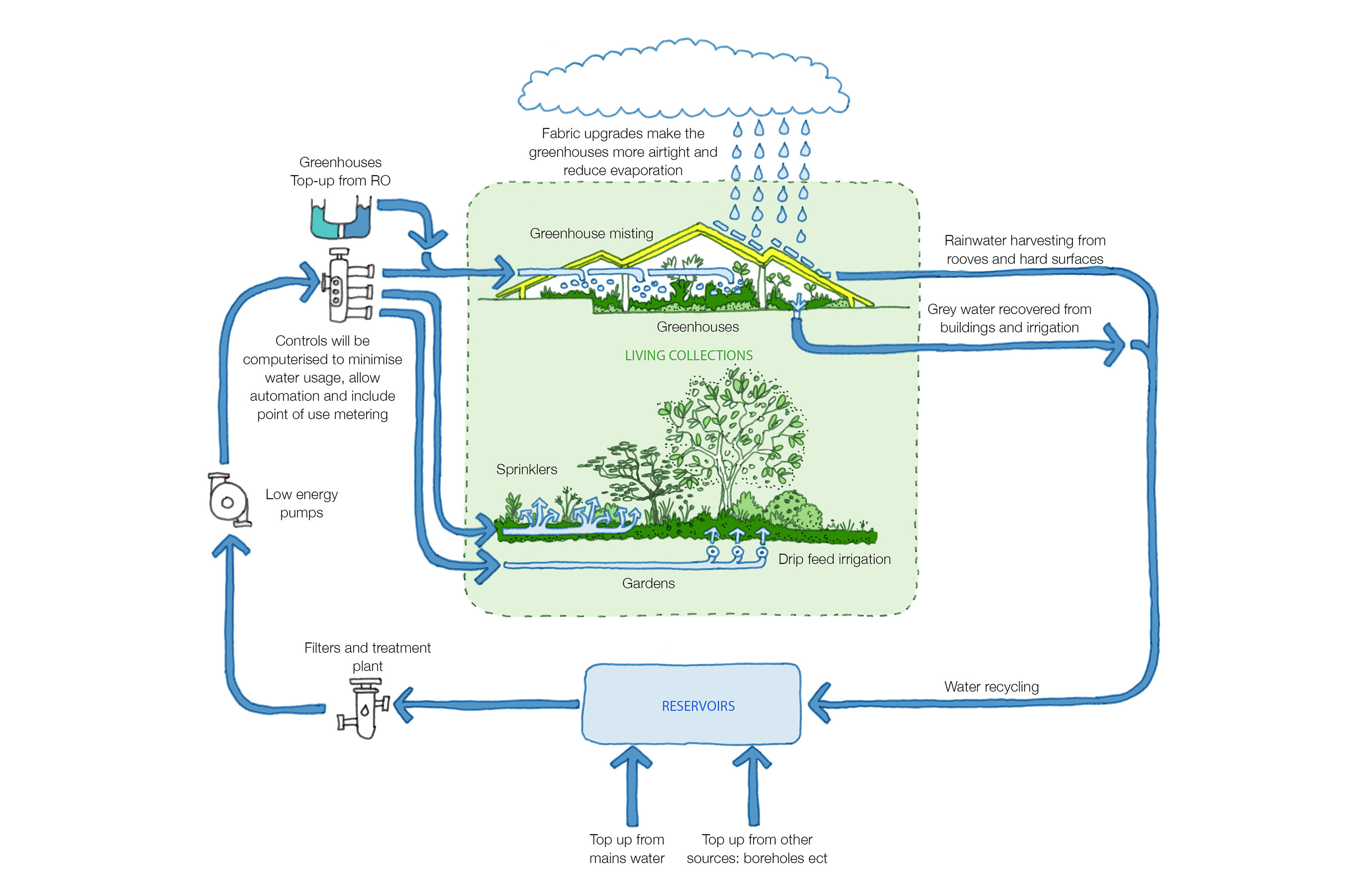
A key component of Kew Gardens sustainability strategy is the development of site-wide irrigation strategies, with a commitment to seek every opportunity to maximise the use of rainwater to irrigate the precious Living Collections. The strategic Irrigation Masterplan has been developed by Hugh Broughton Architects in collaboration with engineers Stantec and a variety of experts and stakeholders. The masterplan sets out a series of measures to improve understanding of climate and water usage through the installation of SMART meters, soil moisture sensors and a dedicated climate reference station. These measures will help to understand where water is being used and drive waste reduction and the effectiveness of irrigation strategies. Actions defined by the masterplan are being implemented over a number of years and include a range of small, medium and large scale interventions that improve both the infrastructure and an understanding of sustainable water usage. The first completed projects in the masterplan include the new Irrigation Pump House, a range of detailed bathymetry surveys of water bodies, new water metering, reinstatement of disused rainwater harvesting tanks, a pilot project for soil moisture sensors and autonomous irrigation, new weather monitoring stations, and strategic thinking into the impact of long-term landscape-led solutions on irrigation demand. |
|
|
|
|
|
Princess of Wales Conservatory Decarbonisation
|
|
|
|
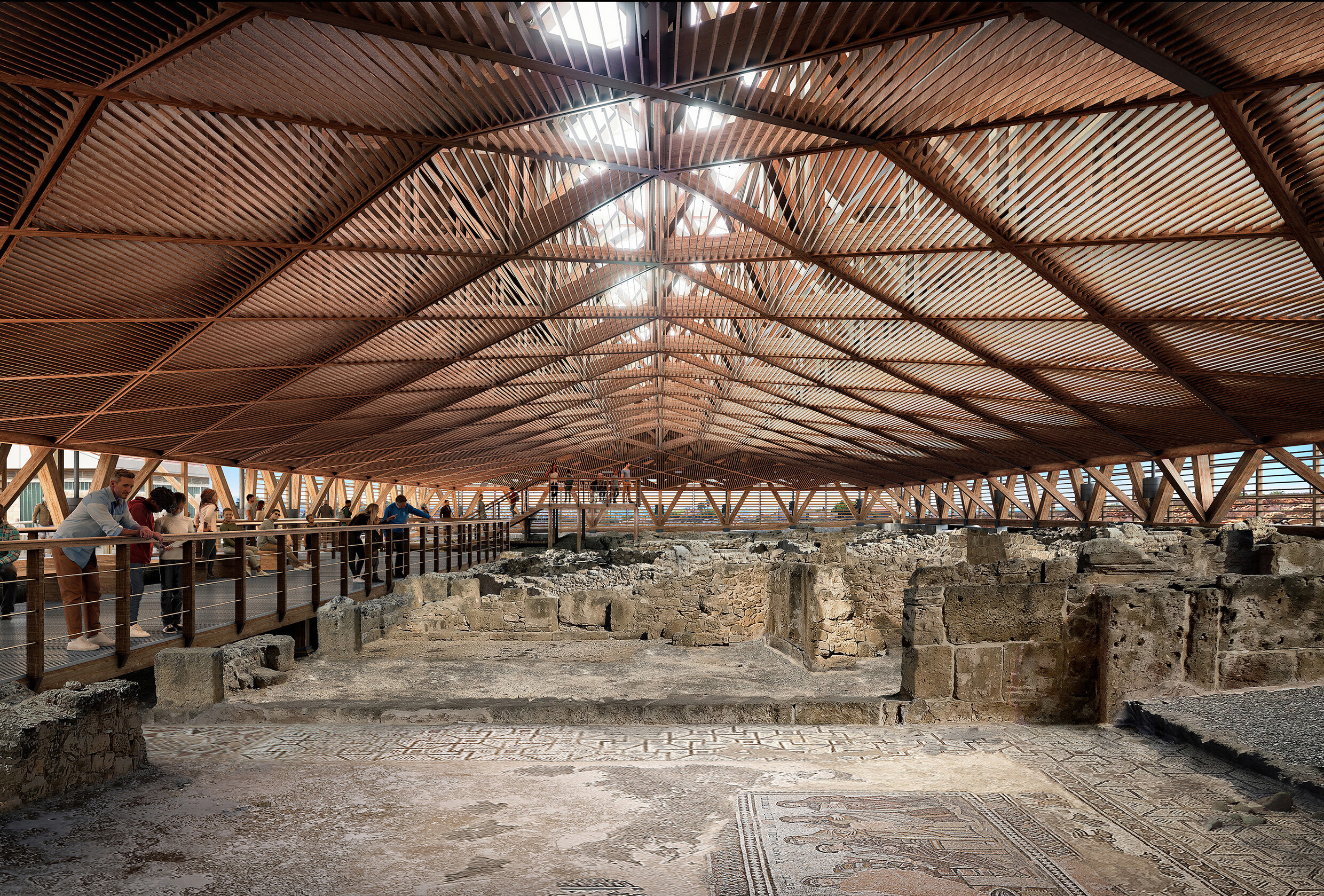
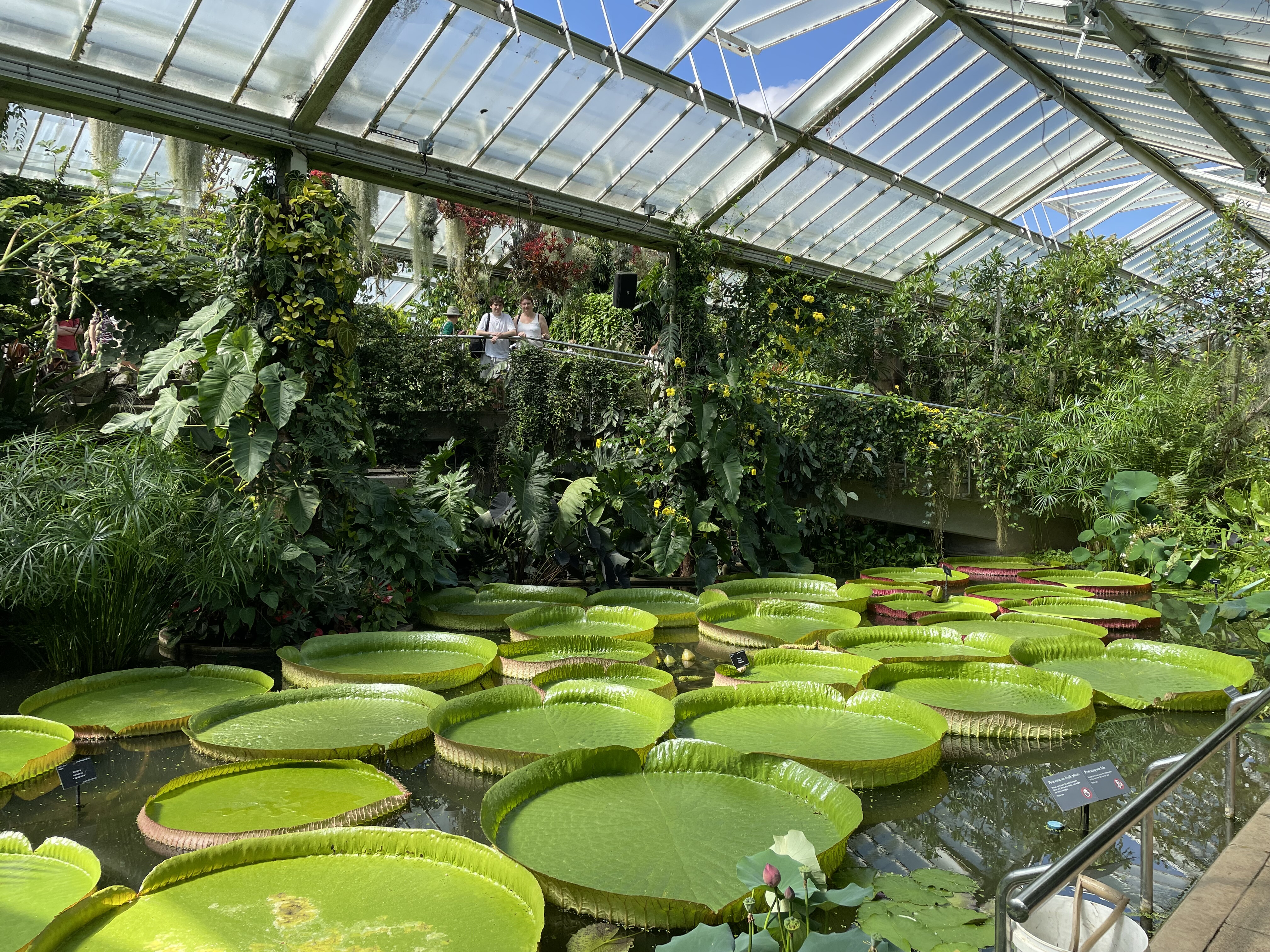
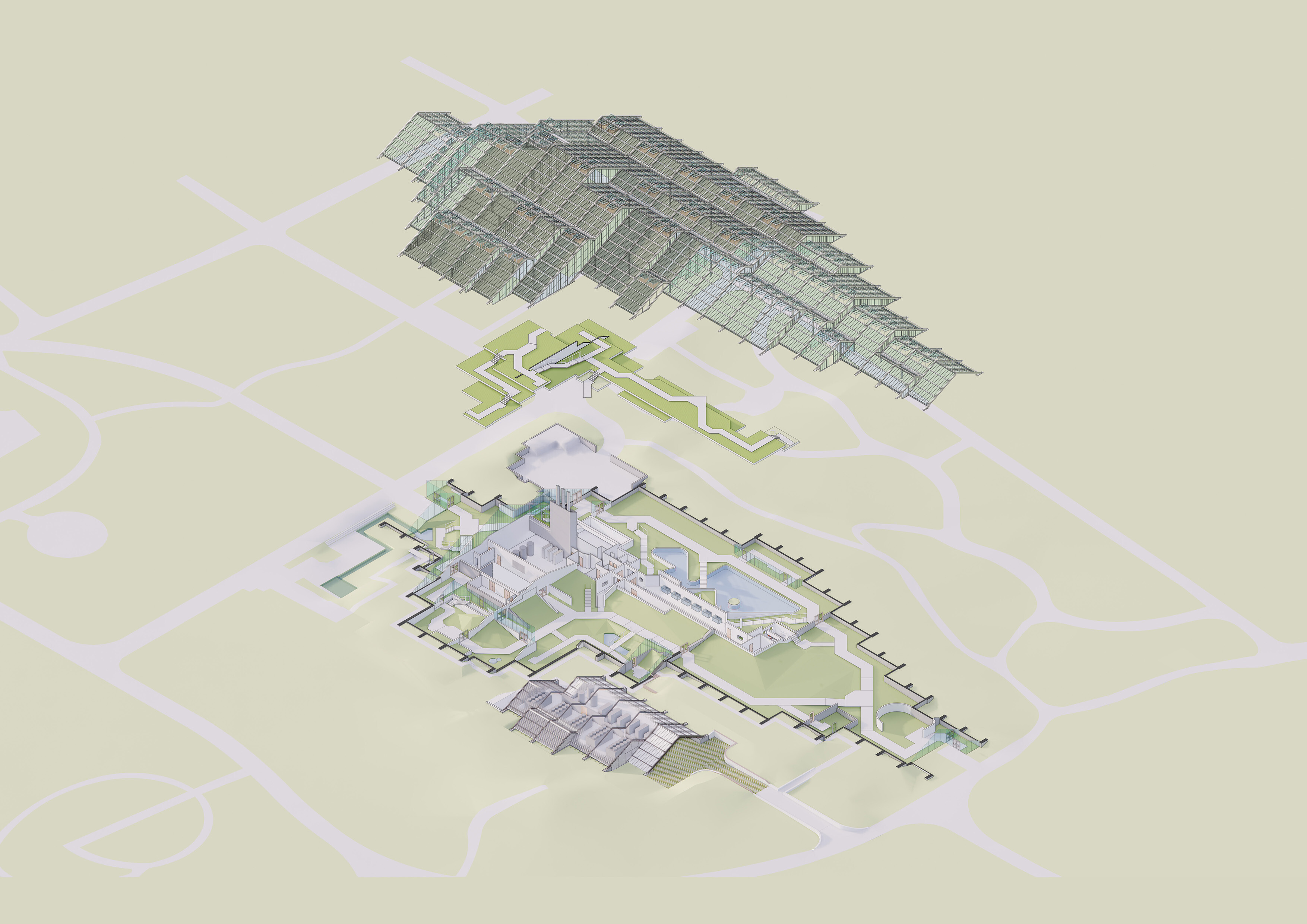
Here’s a tightened version at approximately 180 words, keeping a clear, professional tone suitable for a website: In 2021, the Royal Botanic Gardens, Kew launched its sustainability strategy with the ambition of becoming climate positive by 2030. Central to achieving this goal is the upgrade of Kew’s buildings and infrastructure, focusing on decarbonising energy use and improving thermal performance. The Princess of Wales Conservatory, opened in 1987, was innovative for its time and incorporated several sustainable design principles. Its stepped glass roofs were designed to collect solar energy and rainwater, reducing heat load and reliance on mains water, while partially embedding the building within the landscape helped limit heat loss. However, the conservatory currently depends on fossil fuels to maintain the specialist environments required for its plant collections. Over time, deterioration of the building fabric has also reduced its energy efficiency and performance. Hugh Broughton Architects have developed a comprehensive and sensitive proposal to address these challenges, targeting a reduction in energy consumption of up to 50%. The scheme balances the current and future needs of the glasshouse while enhancing sustainability, functionality and longevity. The proposed solution replaces fossil fuel heating with a cascade system of air source and water source heat pumps, housed within a new building inspired by the original conservatory design. Internal upgrades will further reduce energy demand, extend the building’s lifespan and improve the visitor experience. |
|
|
|
|
|
|
|
Rick Owens x Moncler Ski Refuge
|
|
|
|
Hugh Broughton Architects collaborated with renowned fashion designer Rick Owens to create a prototype off-grid mountain refuge that was unveiled in conjunction with Owens’ new line for Moncler at the 2024 Genius show, which took place in Shanghai. Designed to provide a warm sanctuary in harsh environments, the shelter has a faceted shape that contains a mezzanine bedroom, bathroom and a small combined kitchen and living area. In addition to building a prototype refuge for the show, a fully functioning solar-powered version of the shelter was designed that can be made to order. The refuge has a steel structural frame enclosed with 20 glass-reinforced plastic (GRP) composite panels, which contain polyisocyanurate (PIR) insulation and were finished with brushed stainless steel facing. The faceted metal shape is raised above ground on adjustable steel legs so it can be positioned on uneven mountain terrain. The design was informed by Le Refuge Tonneau, a mountain shelter designed by architects Charlotte Perriand in 1938, while the interiors are finished with Rick Owens’ signature felt blankets and Moncler duvet material. |
|
|
|
|
|
|
|
|
|
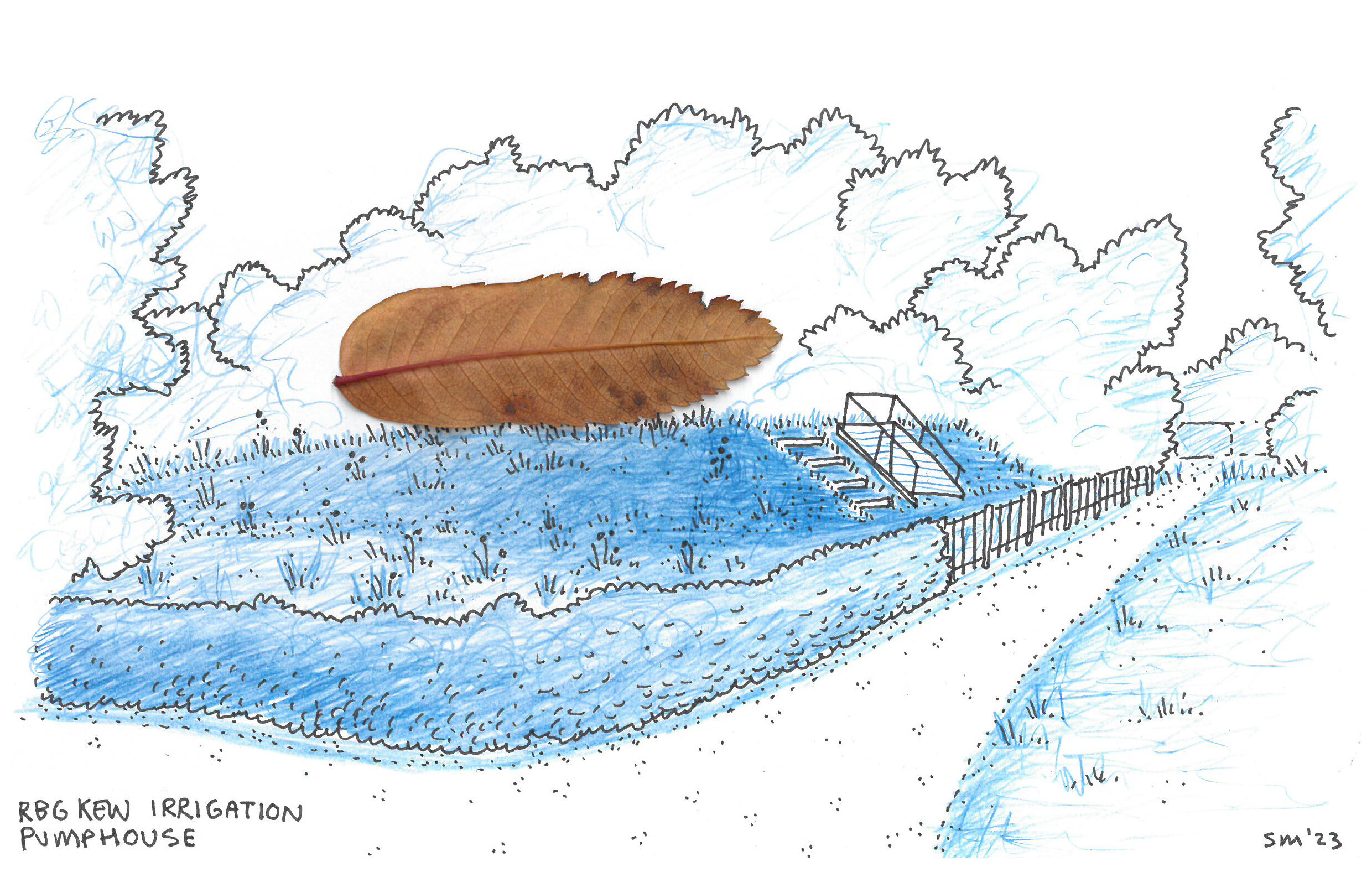
The new leaf-inspired pump house is the Royal Botanic Gardens, Kew’s first step in their new sustainability-focused irrigation strategy developed by Hugh Broughton Architects and engineers Stantec. Hidden in a mound below one of the garden’s most iconic attractions, the Treetop Walkway, a buried tank stores 280,000 litres of irrigation water. The new pump house is perched directly above this tank to ensure the irrigation network has a constant reliable ‘heartbeat’. In the future, by adding harvested rainwater, Kew’s gardeners will massively reduce their reliance on mains water, preserving precious resources whilst setting a new standard for environmental stewardship in horticulture. As the pump house is in full-view within the UNESCO World Heritage Site, the expressive architectural enclosure draws upon a grand tradition of marrying innovative engineering and decorative architecture within the gardens. Inspiration came from Kew’s incredible living collections, fallen leaves and palm fronds. A design was developed which uses filigree visual screens made from interlocking Scottish-grown Larch struts arrayed into an oval-shaped plan. The timber elements are detailed and specified to age naturally to a silver colour and to play with the dappled light and shadows of surrounding trees, so the resulting architecture both complements the landscape and camouflages the inner workings of the infrastructure. |
|
|
|
|
|
|
|
|
|
|
|
University of Kent Creative Arts Hub
|
|
|
|
|
|
|
|
|
|
|
|
|
|
|
|
|
St John's Leatherhead, masterplan
|
|
|
|
|
|
|
Prior Park College, Big School Room
|
|
|
|
|
|
|
|
|
|
|
|
|
|
|
|
|
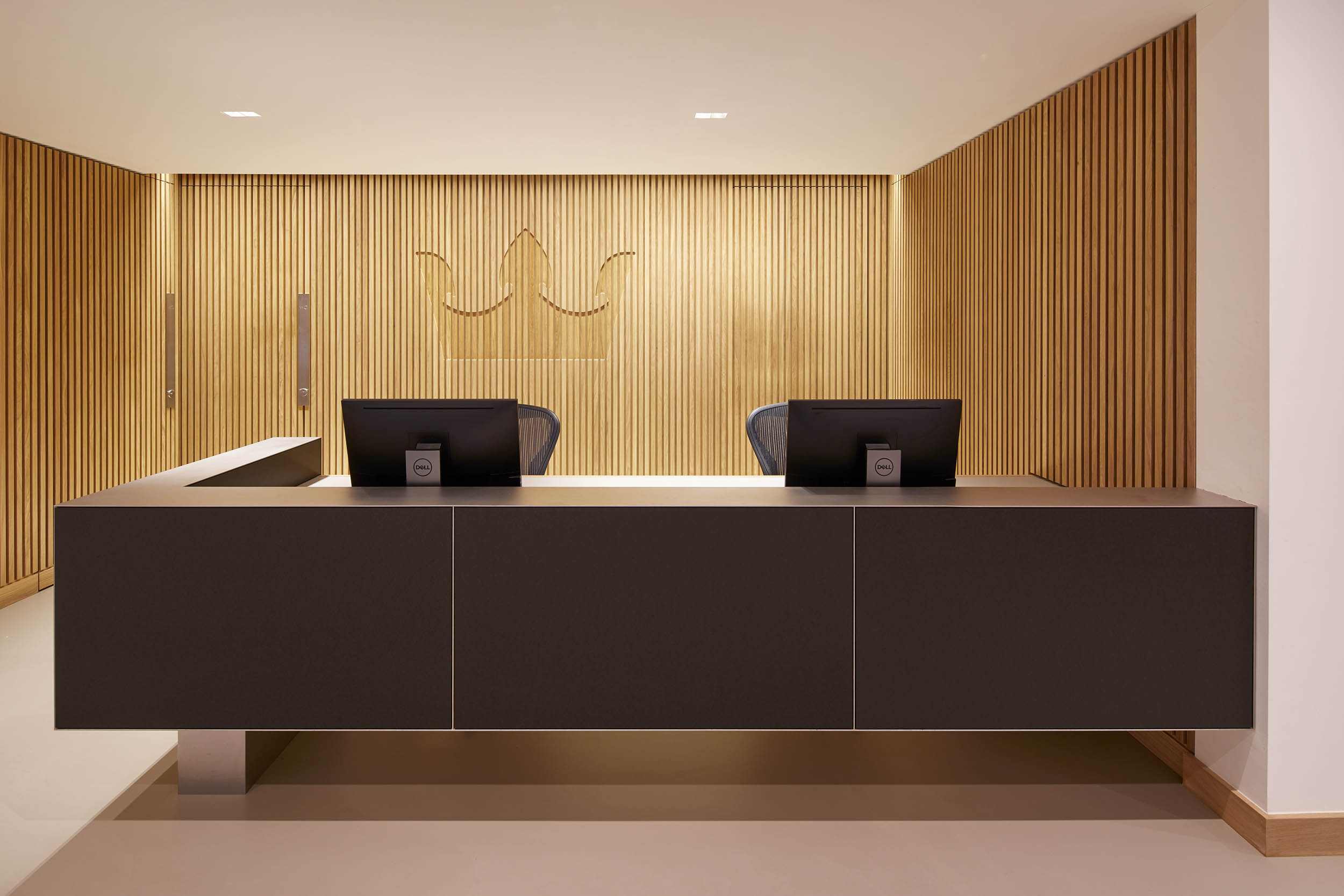
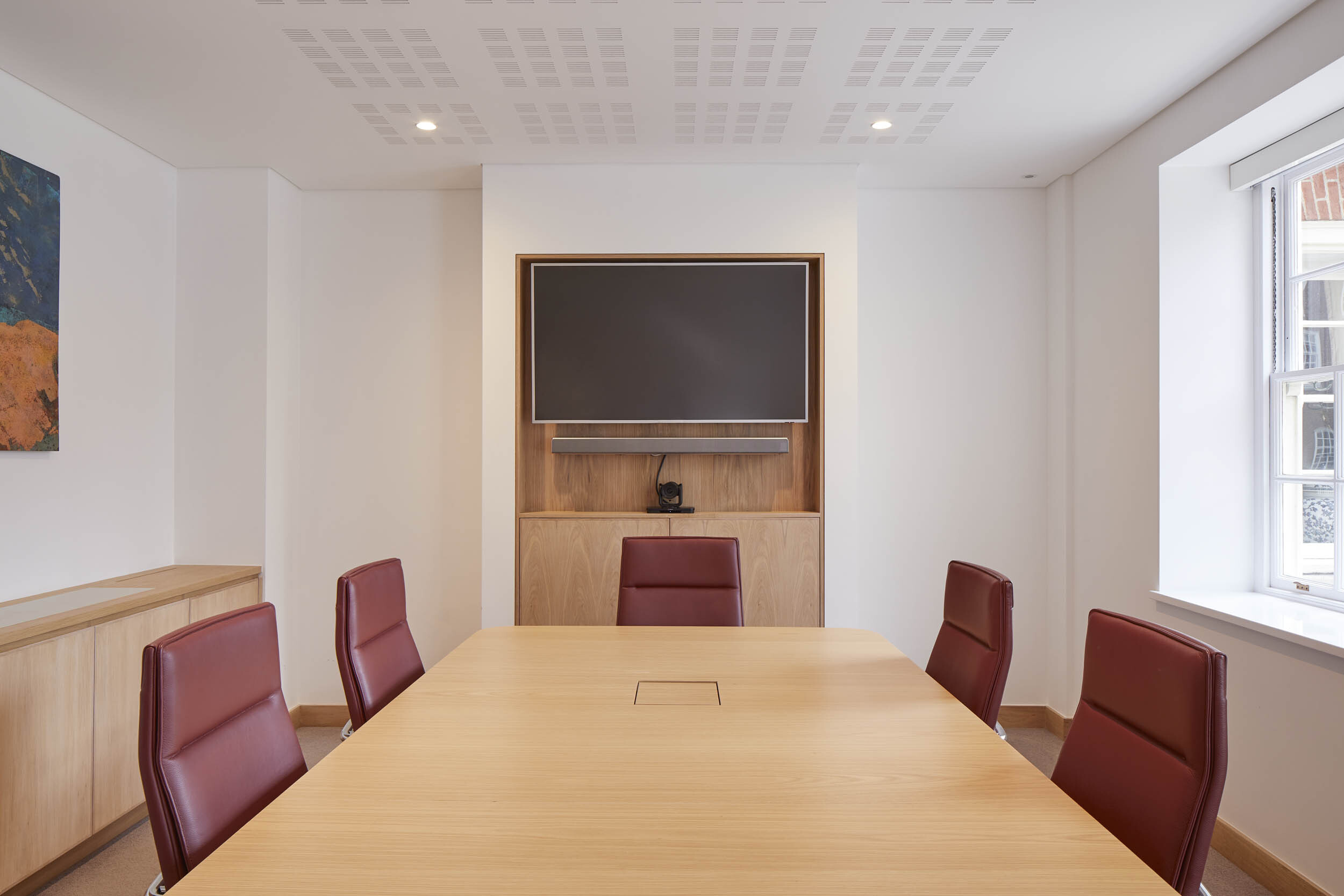
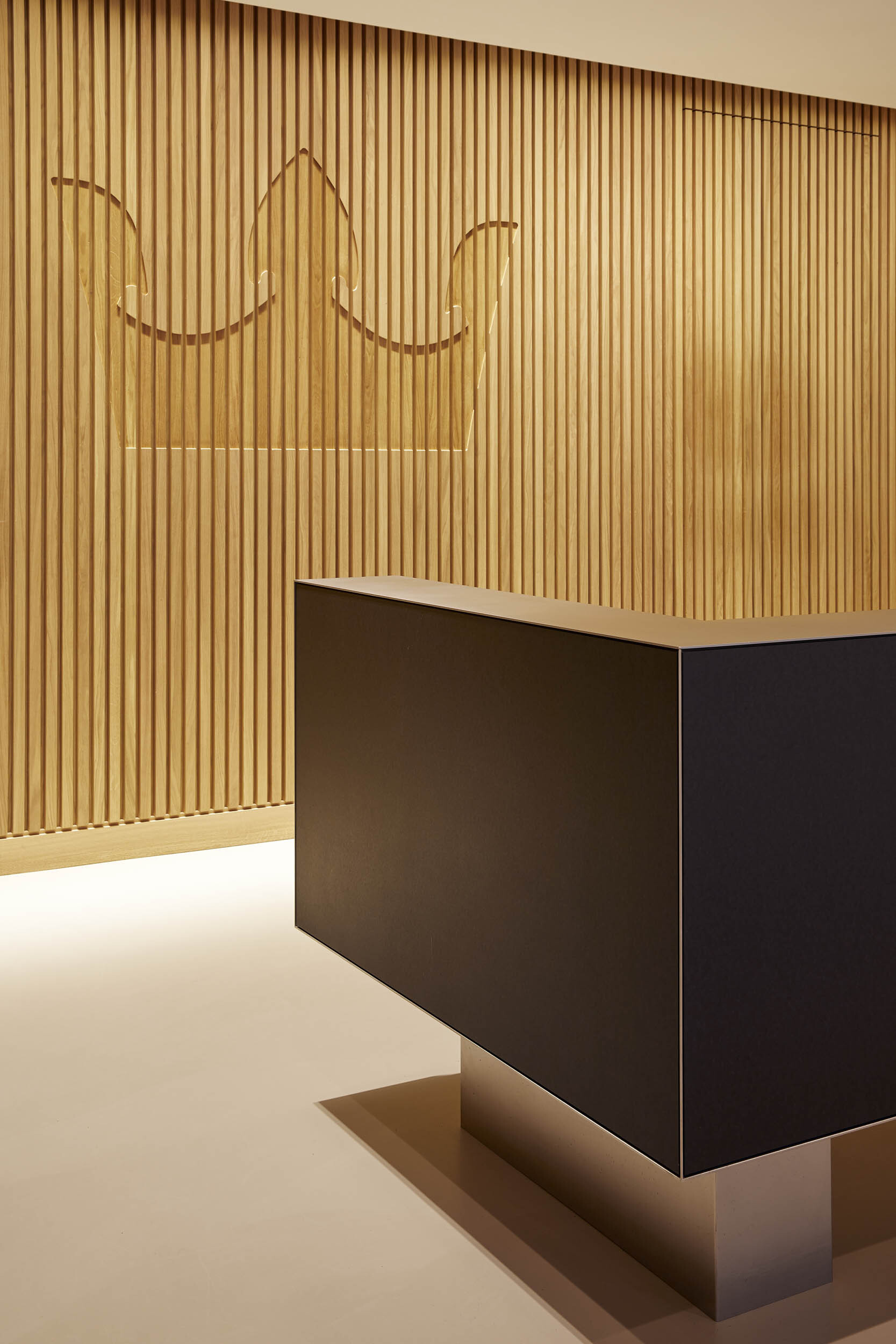
Crown Office Chambers is a leading barristers’ set within the Inner Temple specialising in civil, commercial and regulatory work. We were appointed to refurbish the entrance lobby, stair and upper ground floor of their building. On one side of the stair open plan office space was created for the clerks’ room. On the other side the space was refurbished to create a reception area, waiting space and three conference rooms. The reception space included a desk faced in recycled paper, evoking the papers and manuscripts which are the lifeblood of the legal profession. The reception area is surrounded by fluted timber panelling which also masks the entrance doors to the male and female toilets, kitchenette and cloakroom. A concealed gib door provides a secondary means of escape through the ground floor of 1 Crown Office Row. The project is characterised by high quality finishes and detailing reflecting the professional standing of this leading set. |
|
|
|
|
|
|
|
|
|
|
|
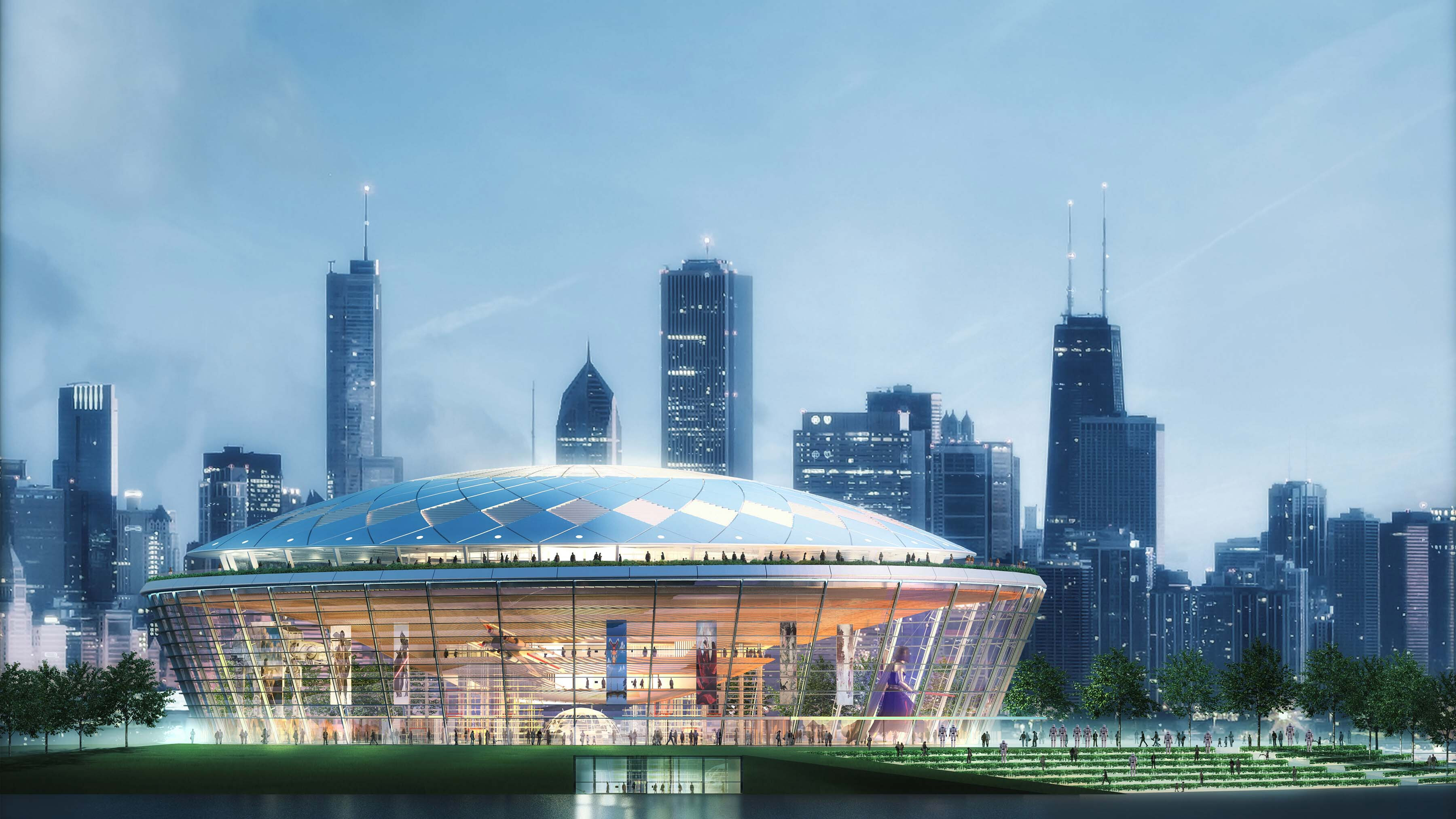
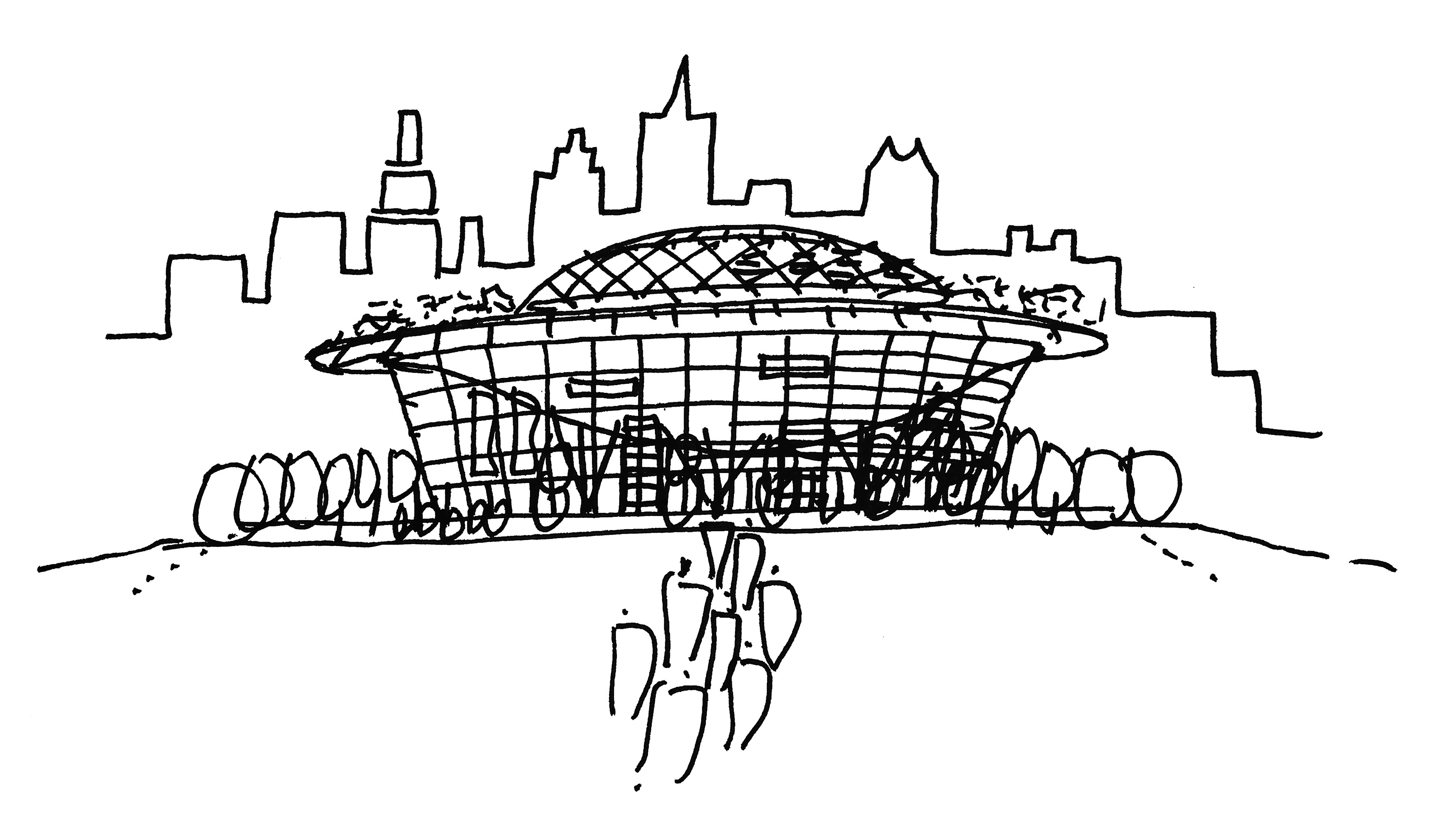
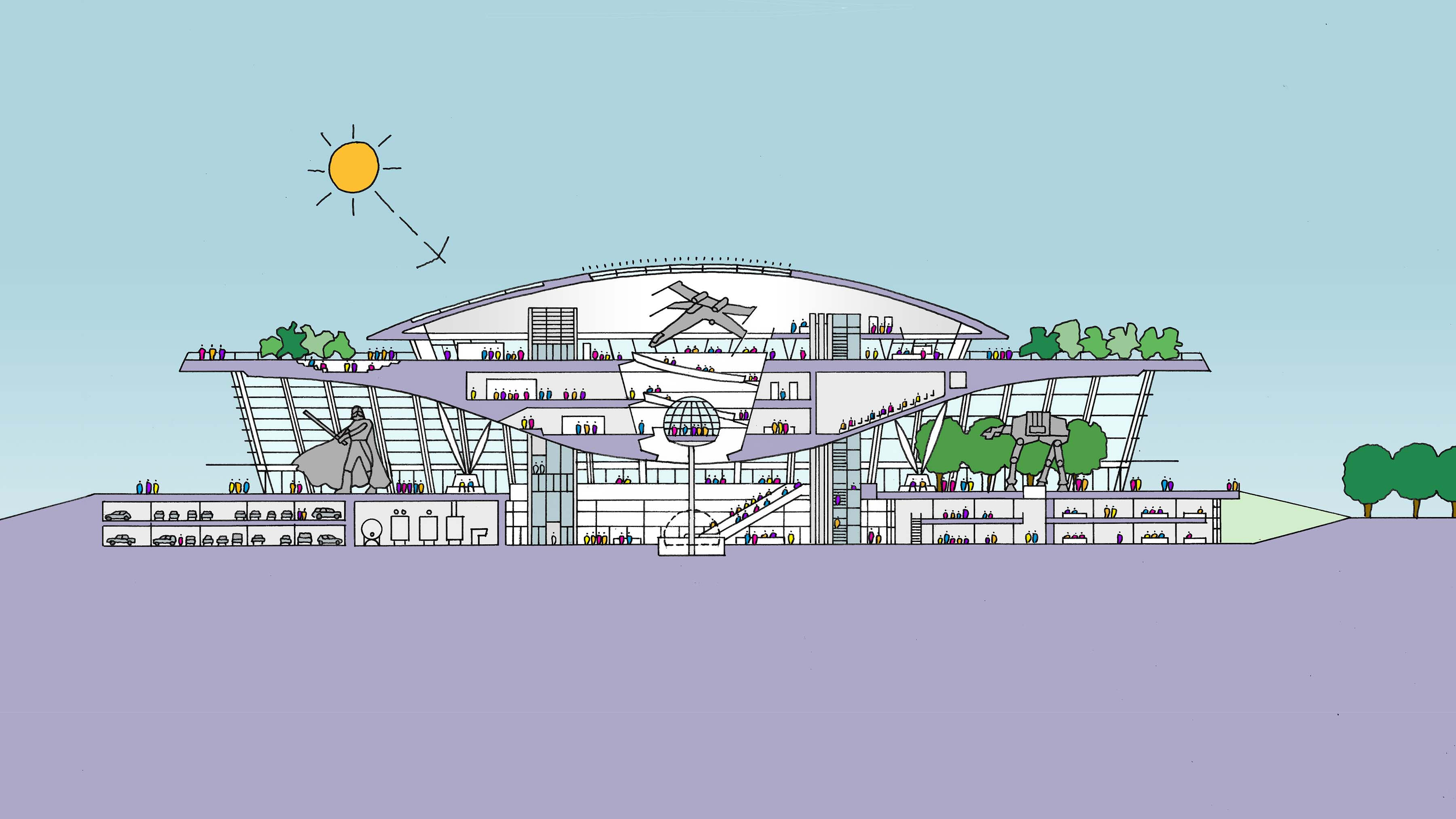
The Lucas Museum is set within parkland and raised on a landscaped plinth to maximize visibility. The façade reveals a dramatic interior of sweeping forms and the ground floor foyer soars above visitors, the scale intimating the breadth and quality of Lucas’ collections. The raised plinth contains the operational heart of the museum including education spaces, administrative offices and technical areas. From the foyer visitors descend down a light filled double height drum containing welcome and retail areas. Galleries are arranged around a conical atrium. On the upper level they sit under a 300-feet diameter domed roof with an exposed diagrid structure. A landscaped deck provides spectacular views of the lake and the city. Visitors circulate between floors on a giant circular ramp. At the end of the visit people theatrically descend from the conical atrium in a giant glass hydraulic lift. The museum will be a beacon of sustainability packed with both active and passive measures to minimize carbon footprint. Throughout the project, innovation and creativity are woven together to create a building which places art and people at the centre of an extraordinary story. |
|
|
|
|
|
|
|
|
|
St Kilda Accommodation Block and Energy Centre
|
|
|
|
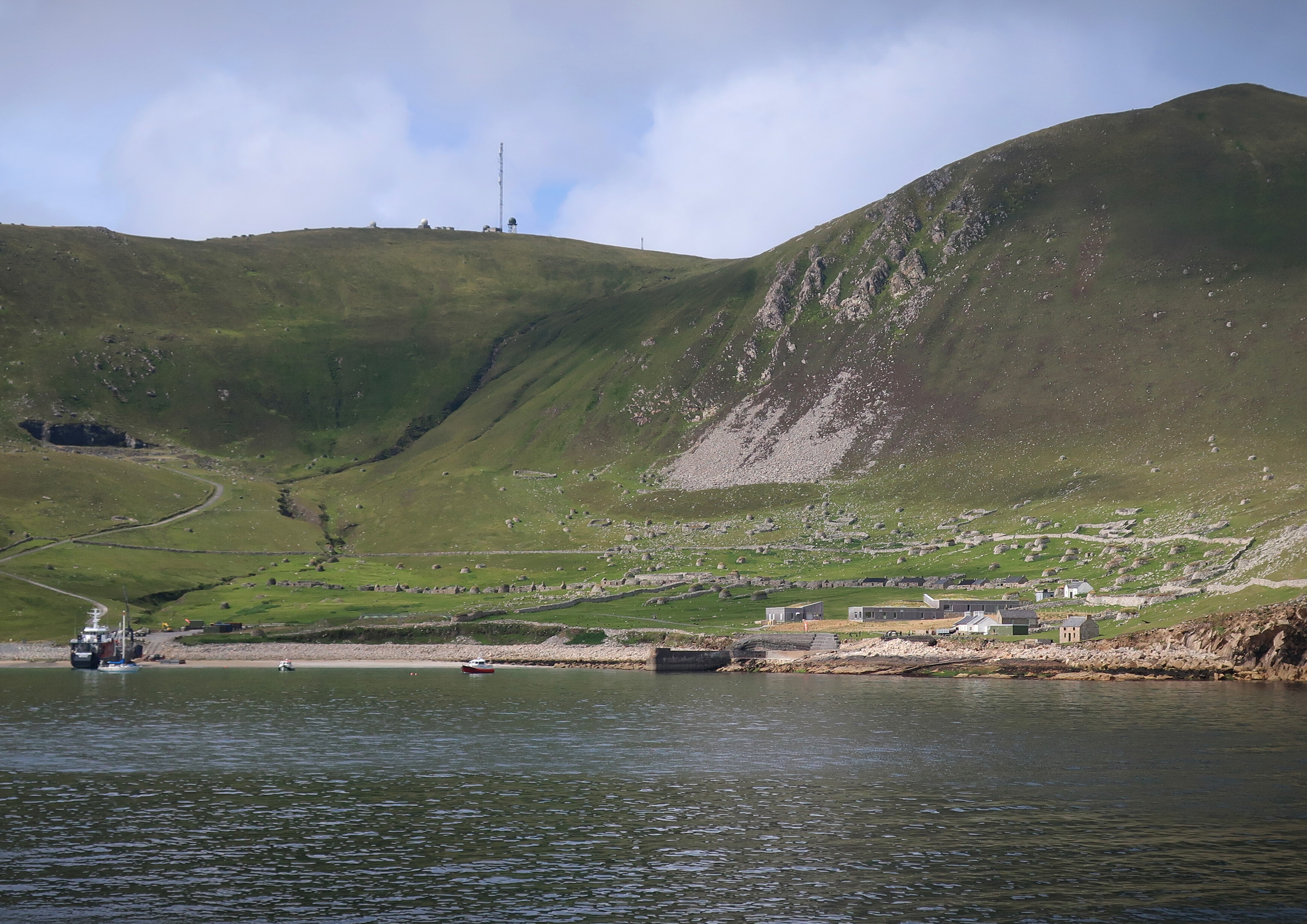
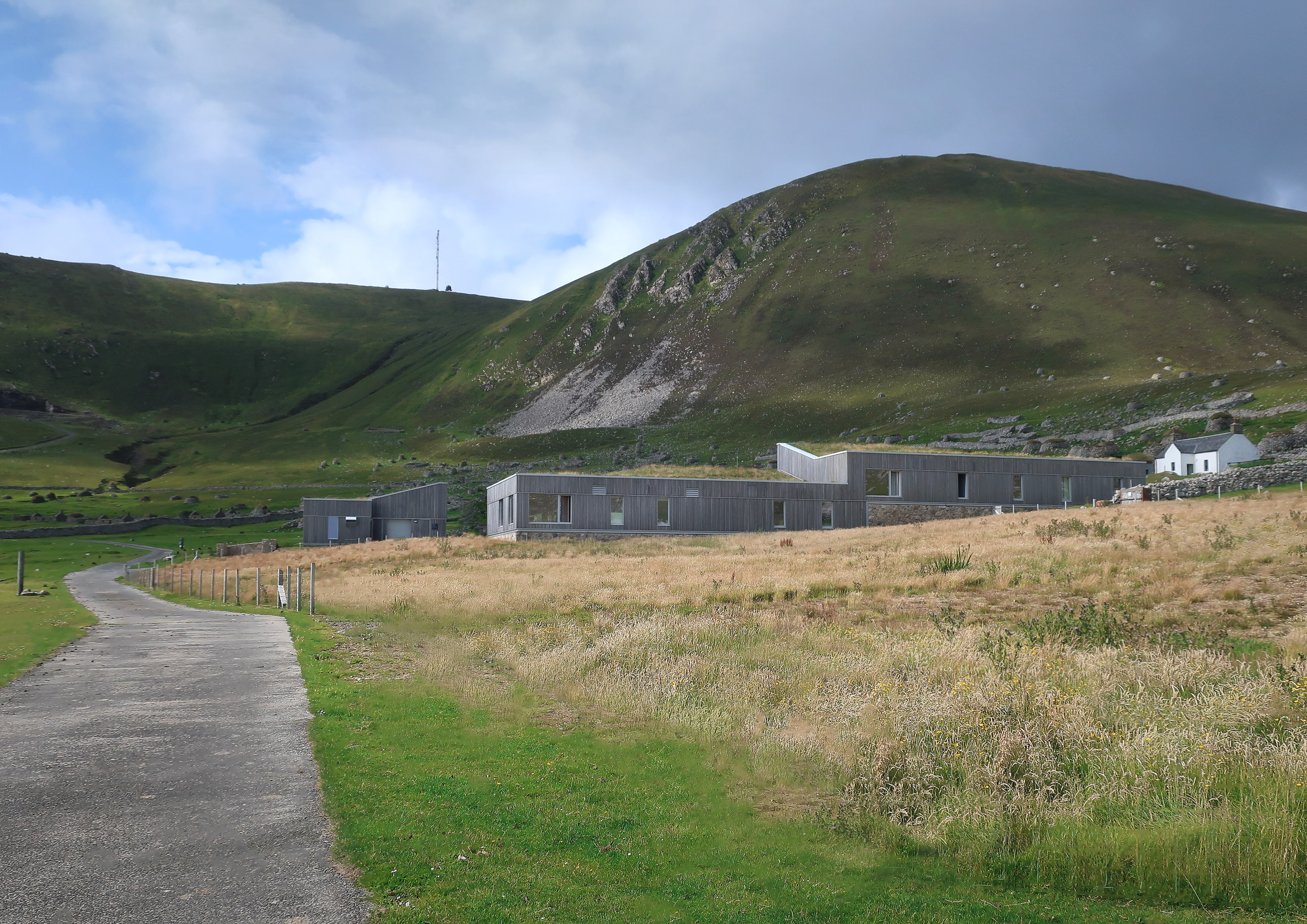
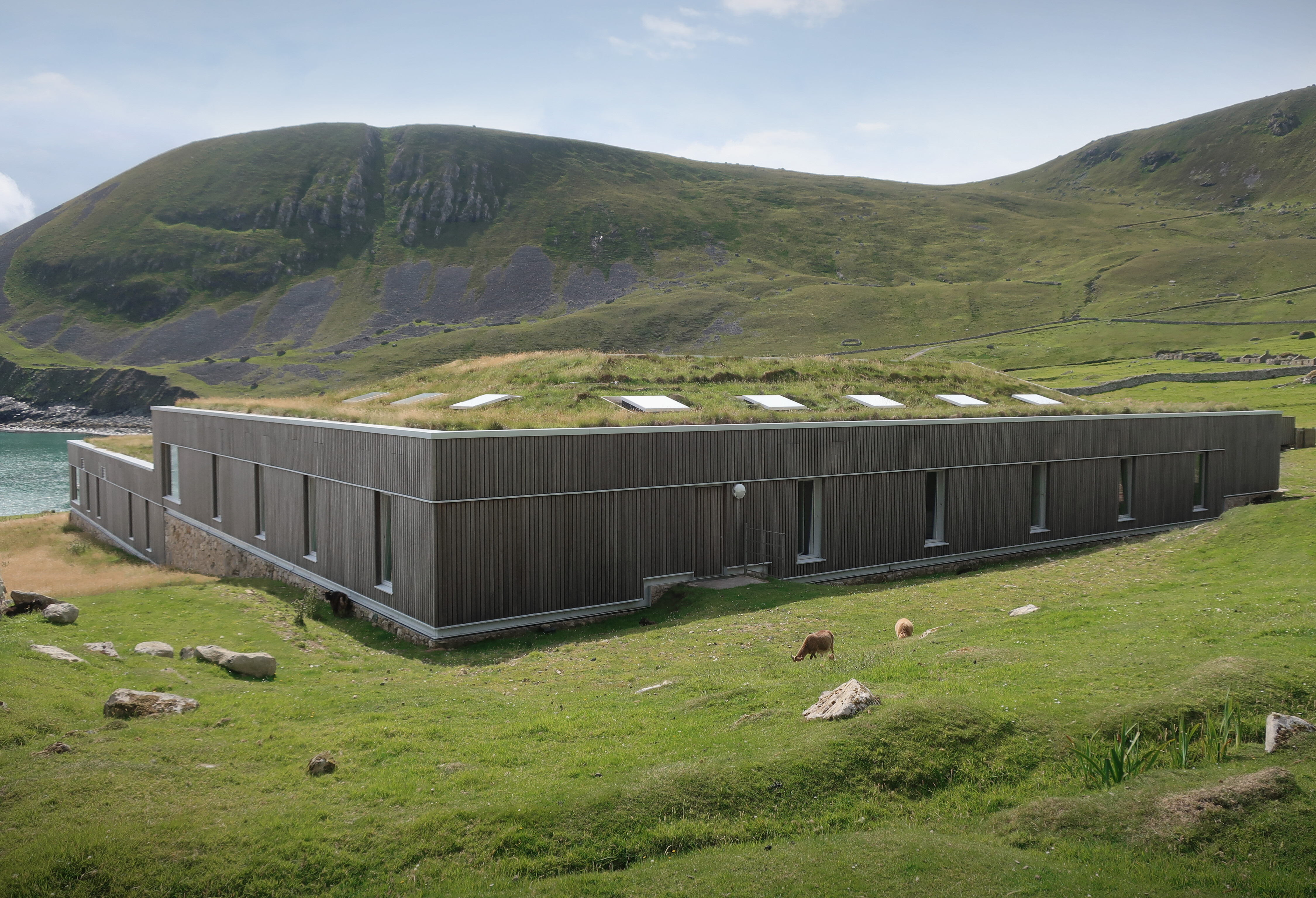
St Kilda is the most remote British archipelago, 160 km off the west coast of Scotland. The archipelago is owned by the National Trust for Scotland and is a World Heritage Site for both ecological and archaeological significance. The new facility will provide accommodation for 8 permanent staff and 12 temporary staff. The project comprises an accommodation building and an energy centre for the island’s three generators. The lower segments of the buildings are curtained with stone excavated from the site whilst the superstructure of the accommodation building is formed in cross laminated timber (CLT). Insulation and cladding have been added to the outside of the CLT, with the panels left exposed to provide the interior finish, creating a warm, timber aesthetic. The building is clad in Siberian Larch, selected both for its aesthetic quality and performance in a marine environment. The roofs are planted with native St Kildan grasses to minimise visual impact when seen from above. The new facility was handed over to QinetiQ in 2019. |
|
|
|
|
|
|
|
|
Grand Cayman Islands, British Overseas Territory
|
|
|
|
|
|
Benenden School Masterplan
|
|
|
|
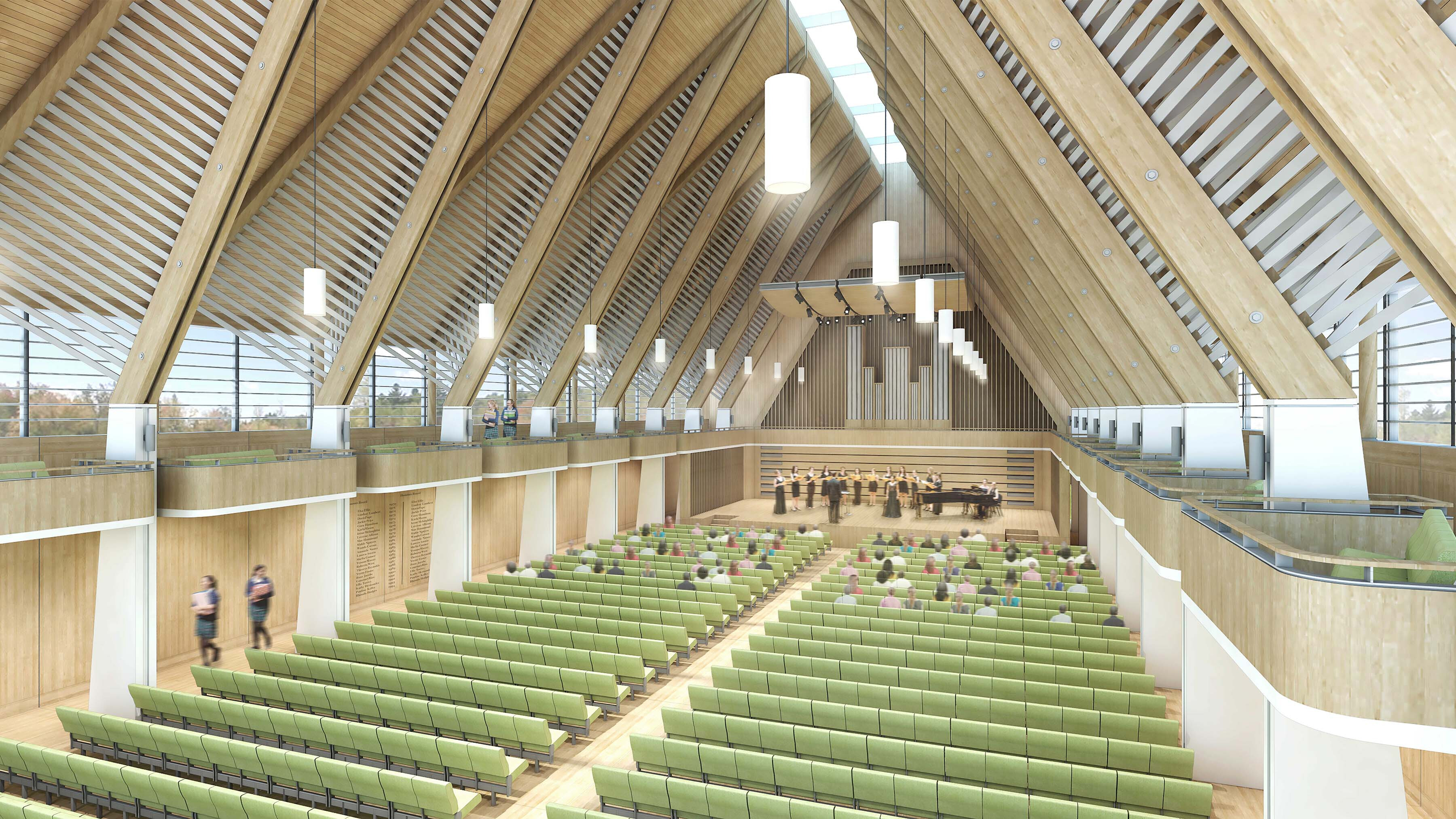
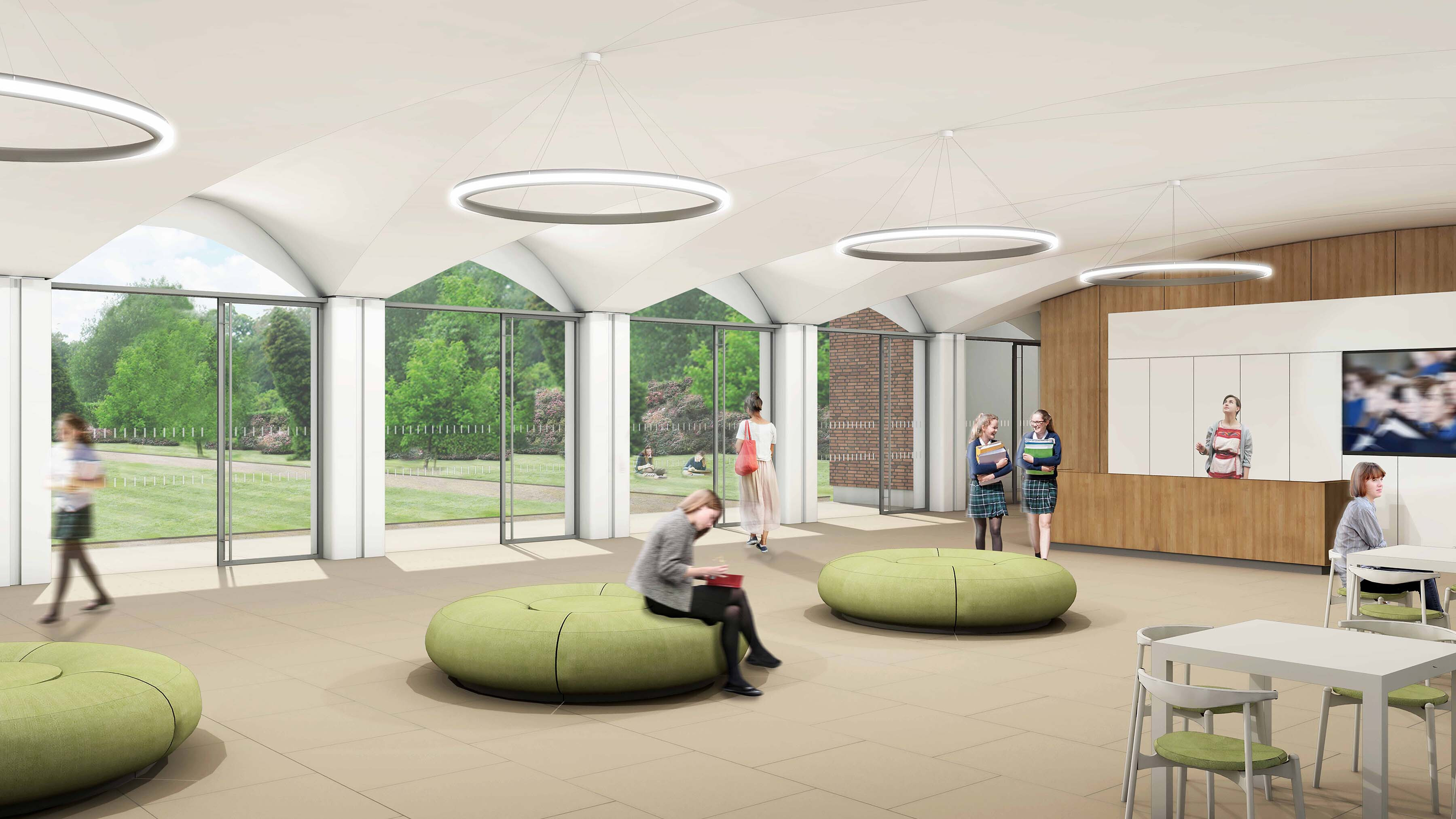
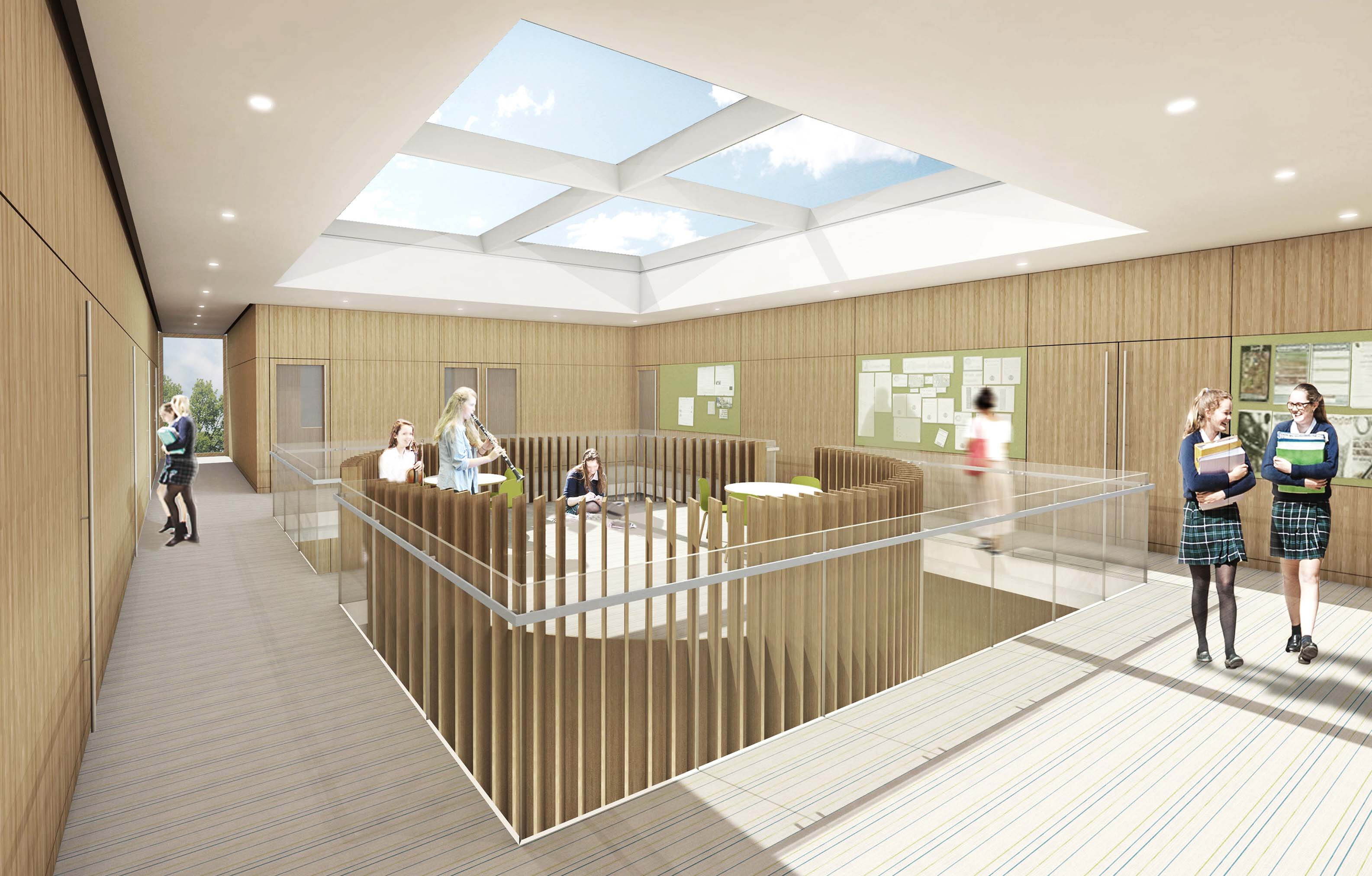
The proposal fuses pragmatic design considerations with poetic aspirations to create a new hall and music school, which can assume a central place in the life of Benenden. Our architecture responds to the heritage of the site, celebrating contemporary craftsmanship in a sensitive and joyful manner and making best use of natural materials. The scheme is arranged around a new cloistered garden, helping to link together the Hall, Music School, teaching block and the existing Chapel. The hall is designed as an uplifting, light filled space, conceived with flexibility in mind to be equally comfortable as a place of devotion, as the venue for world-class musical performance or as a wedding hall. The music school is arranged around a toplit atrium with practice rooms organised within a central timber clad cylinder. Teaching rooms, classrooms and office areas are arranged around the perimeter to take advantage of views and natural light. A teaching block arranged on four levels, completes the arrangement around the cloistered garden. |
|
|
|
|
|
|
|
|
|
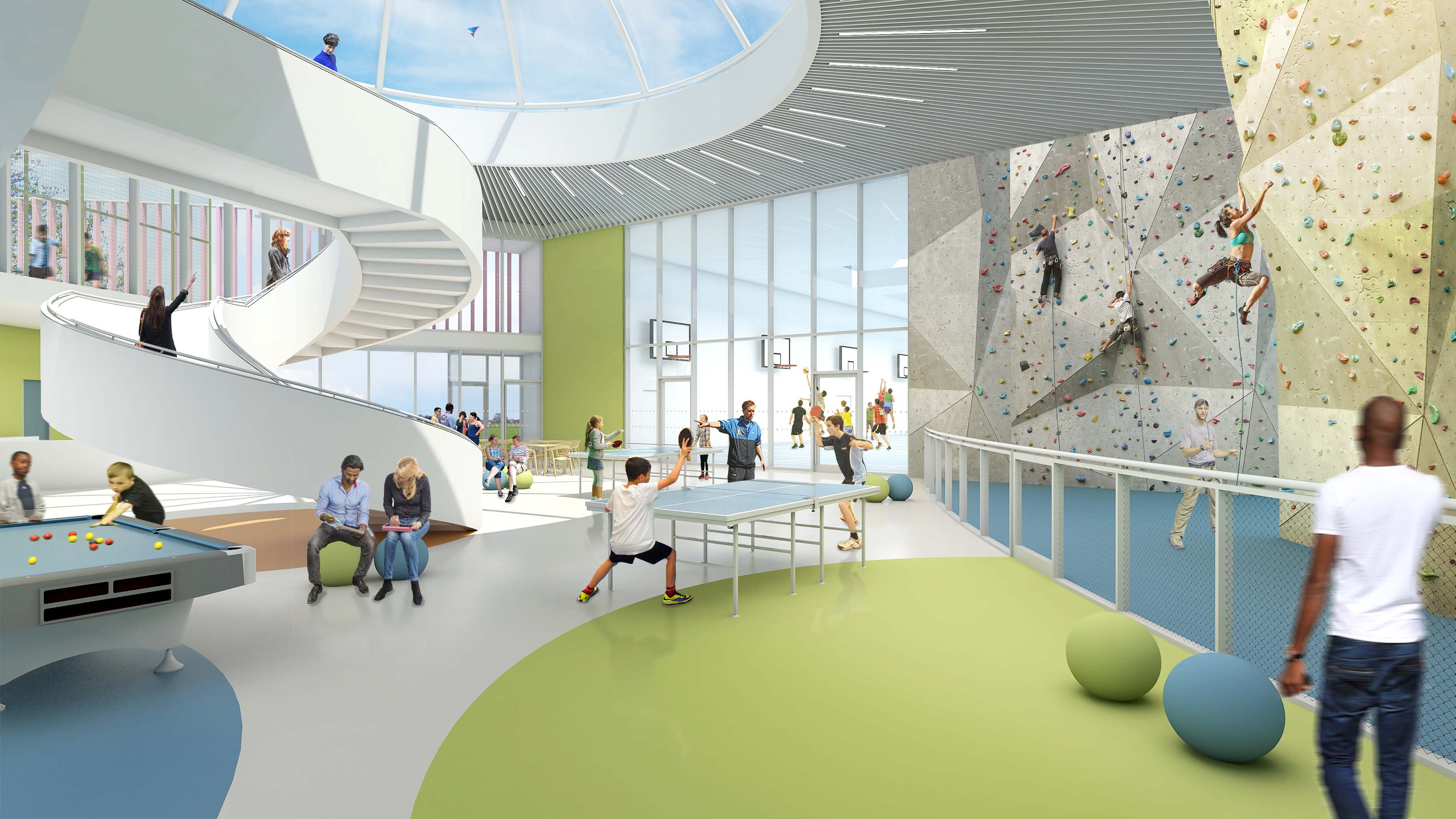
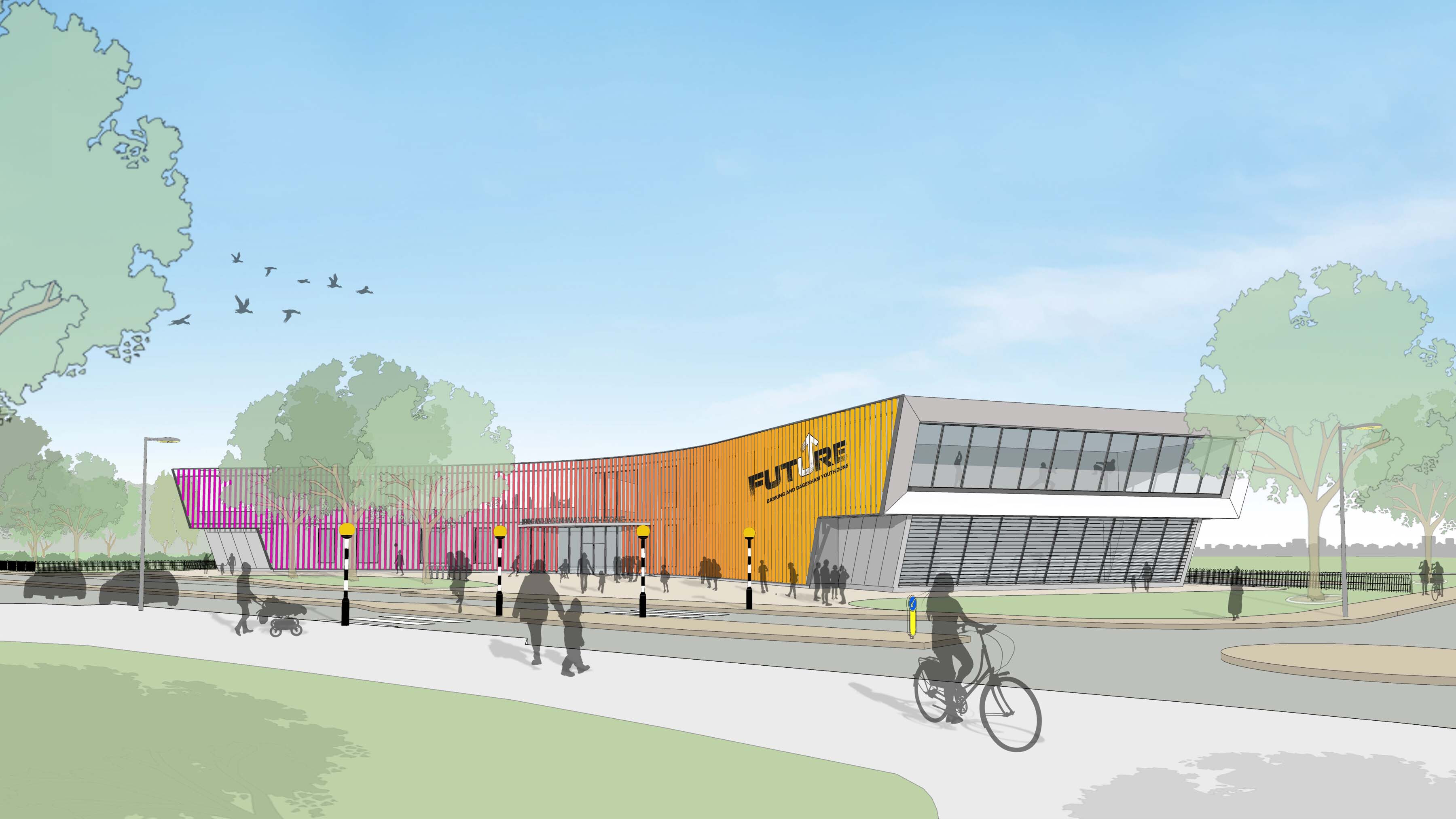
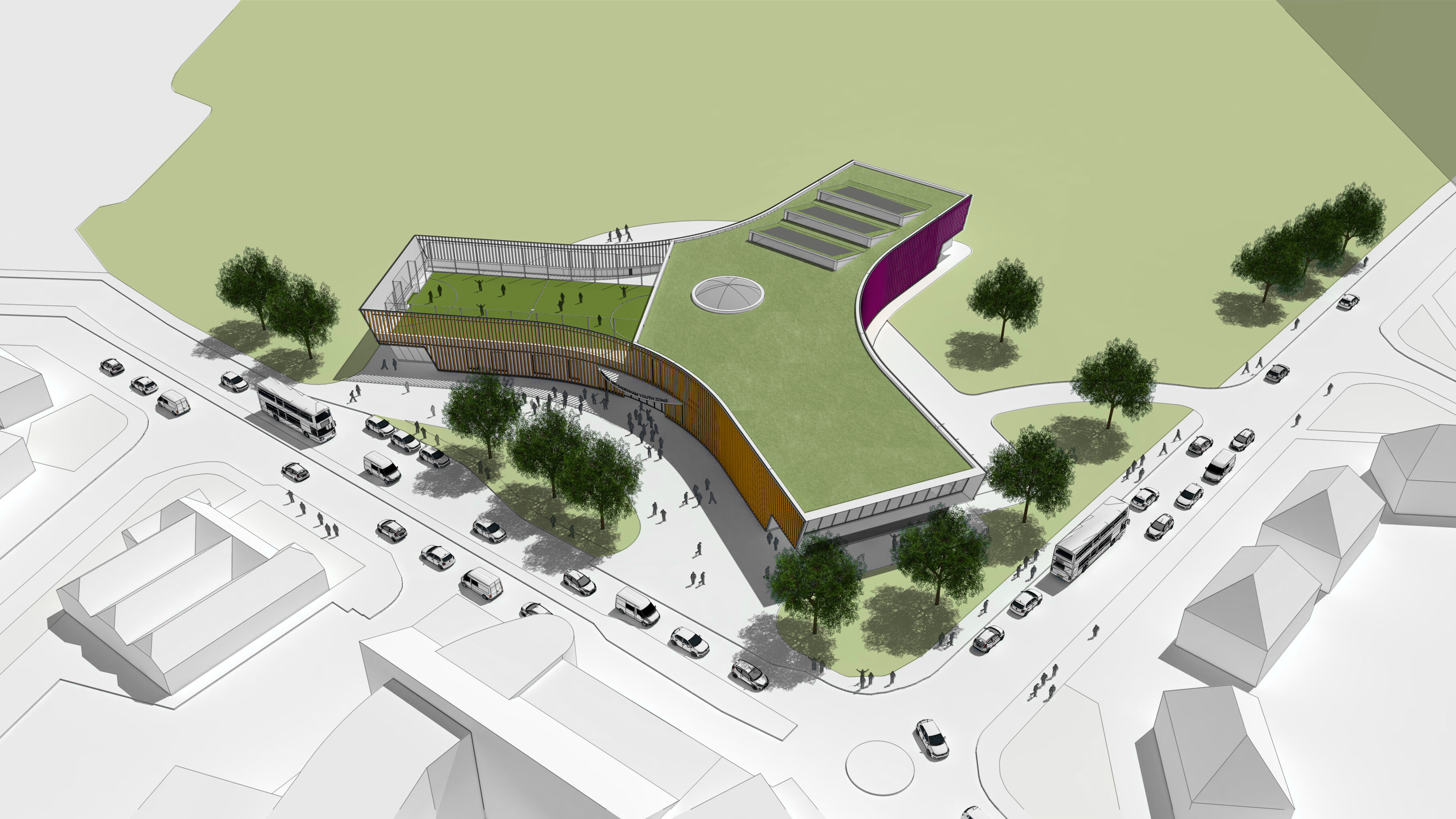
Our proposals provide an eye catching Youth Zone for young people, which will sit comfortably within its context and provide the highest quality facilities. Within our design, circulation has been woven into a scheme characterised by simplicity, light and volume. The distinctive Y-shape creates clearly defined zones for different activities, with key social spaces arranged around a central atrium. As well as defining the circulation within the building, the Y-form defines external spaces, creating natural drop off points and areas for parking and maintenance. The exterior design with its elegantly curved facades responds to the geometry of the building, which will be clad in repeating triangular colour coated aluminium slats, offering a varied perspective depending on the angle from which they are seen. Our designs allow for easy maintenance and low cost in use matched by a grass roots approach to sustainability underpinned by passive measures rather than bolt-on technologies. |
|
|
|
|
|
|
|
Tristan da Cunha Health Facility
|
Tristan da Cunha, British Overseas Territory
|
|
|
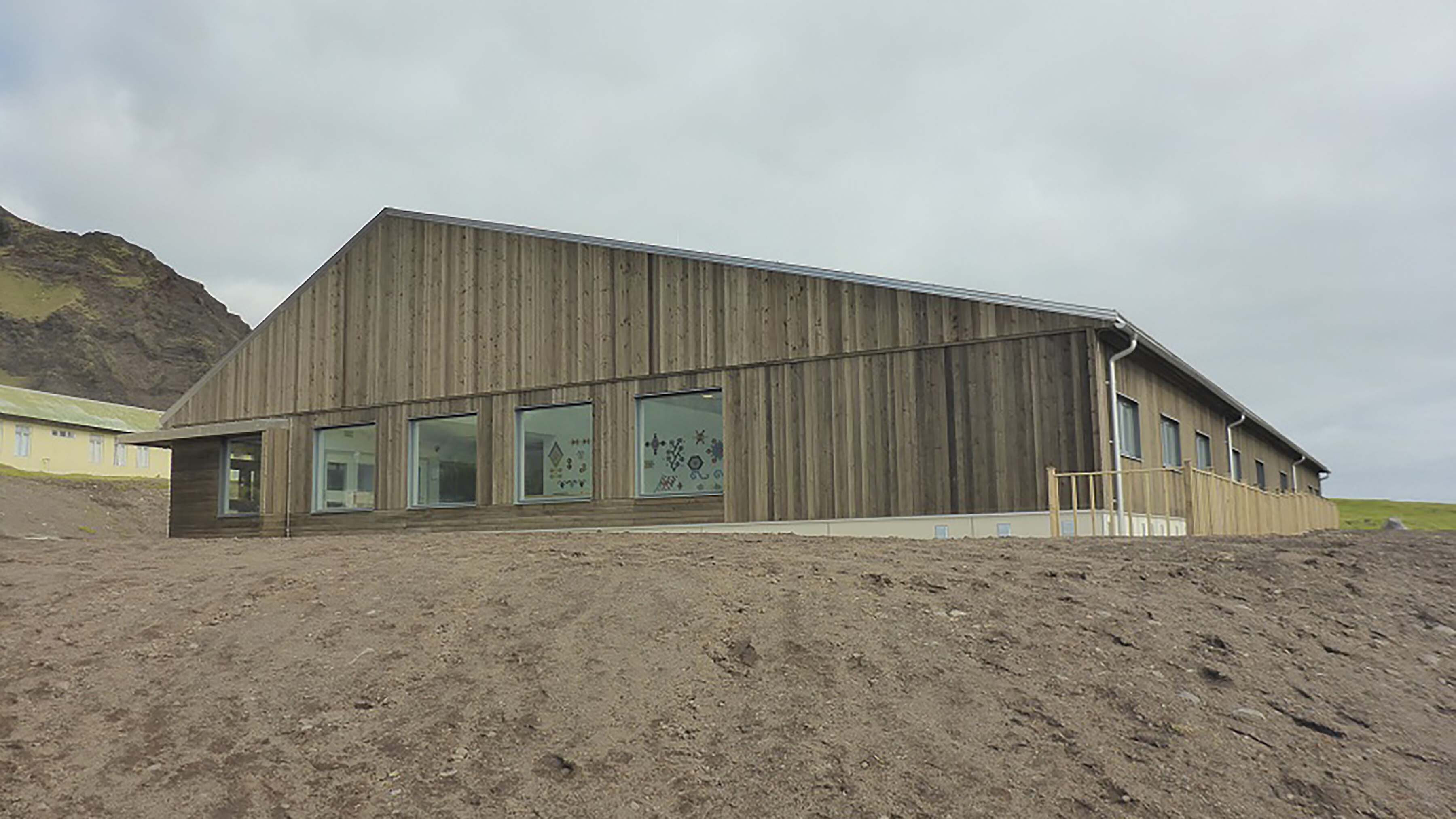
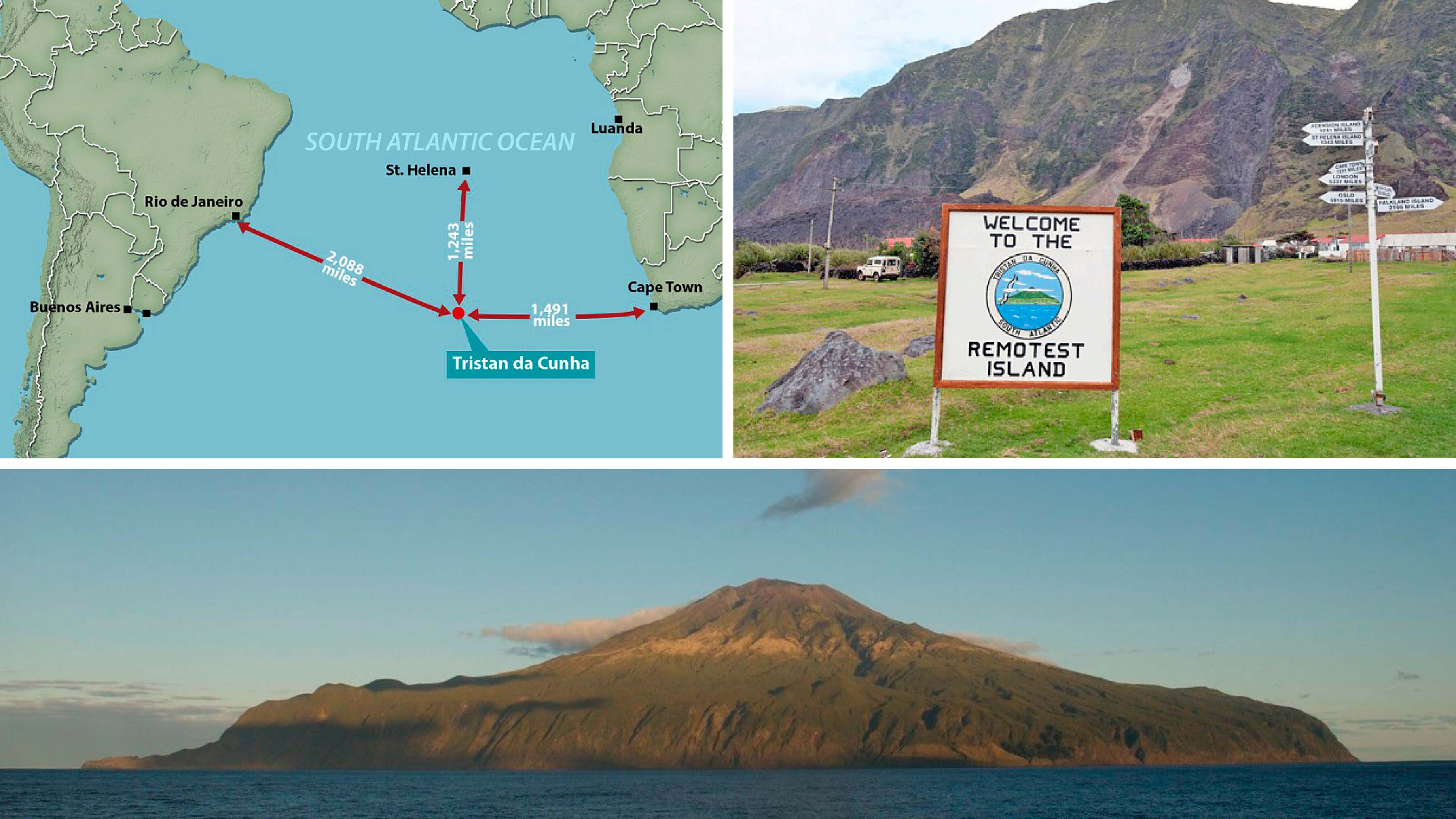
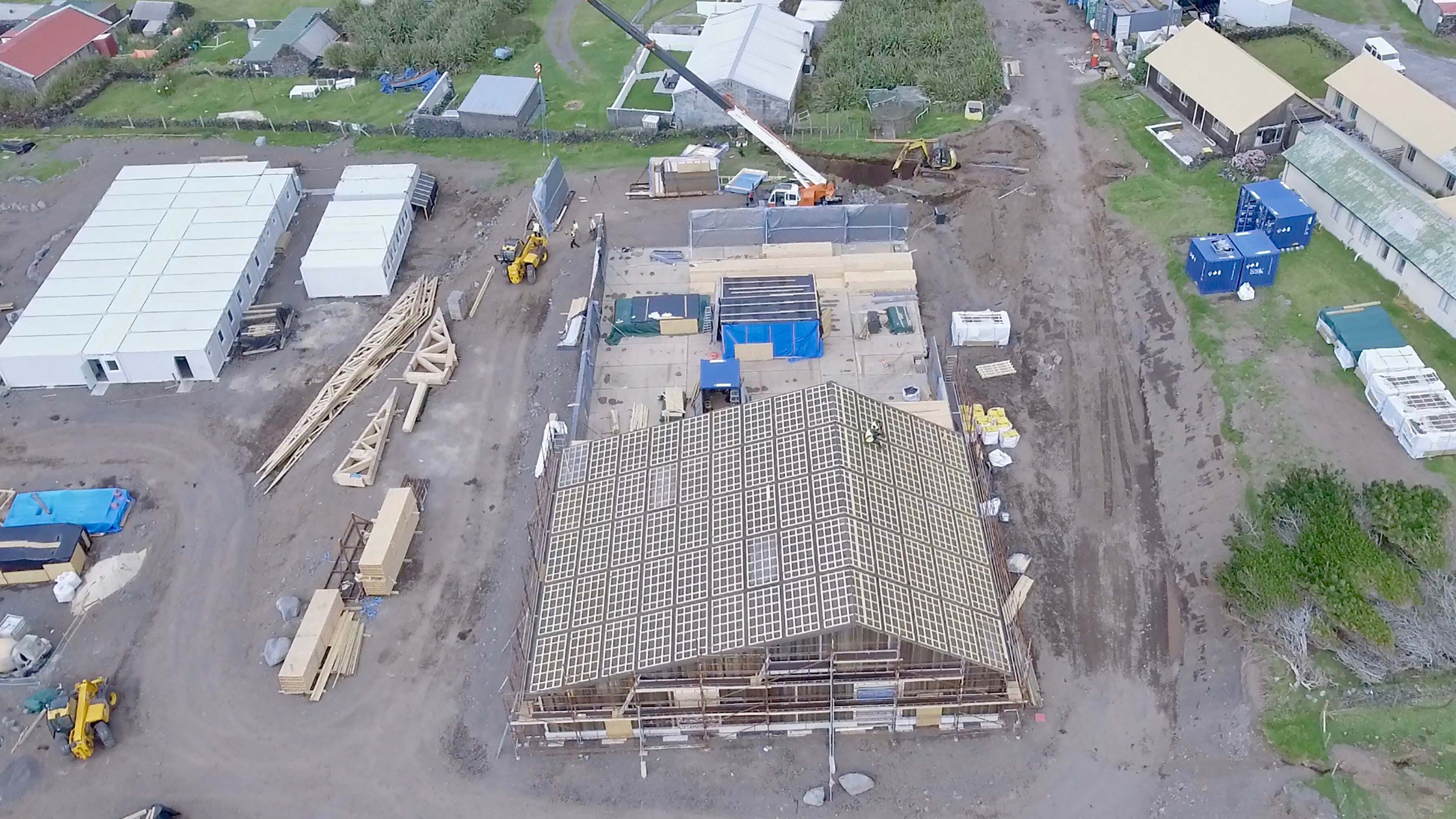
Hugh Broughton Architects, working with Galliford Try and Top Housing from Sweden were appointed to design and construct the new health facility on Tristan da Cunha, the world’s most remote inhabited island, in the South Atlantic. The facility replaces the existing hospital, which had reached the end of its useful life. The building was prefabricated in a flat pack format to reduce erection time. Foundations are formed with precast concrete pads, which support a galvanised steel grillage, providing good resistance to seismic action. External materials were selected for low maintenance and durability to suit the marine environment. Elevations are clad with treated Siberian larch boards. The pitched roof is clad with mill finish aluminium. The building is well insulated and sealed. Triple glazed windows and rooflights maximise natural light and make the most of views from the site. The interior is designed for ease of maintenance and practicality and makes best use of natural light to create a welcoming atmosphere. The health facility was handed over to the island’s Administration in 2017. |
|
|
|
|
|
|
|
|
|
|
|
|
|
|
|
NASA Net Habitable Volume Study
|
|
|
|
|
|
|
Science Fiction Museum Washington
|
|
|
|
|
|
|
|
|
Queen’s College Porters’ Lodge
|
|
|
|
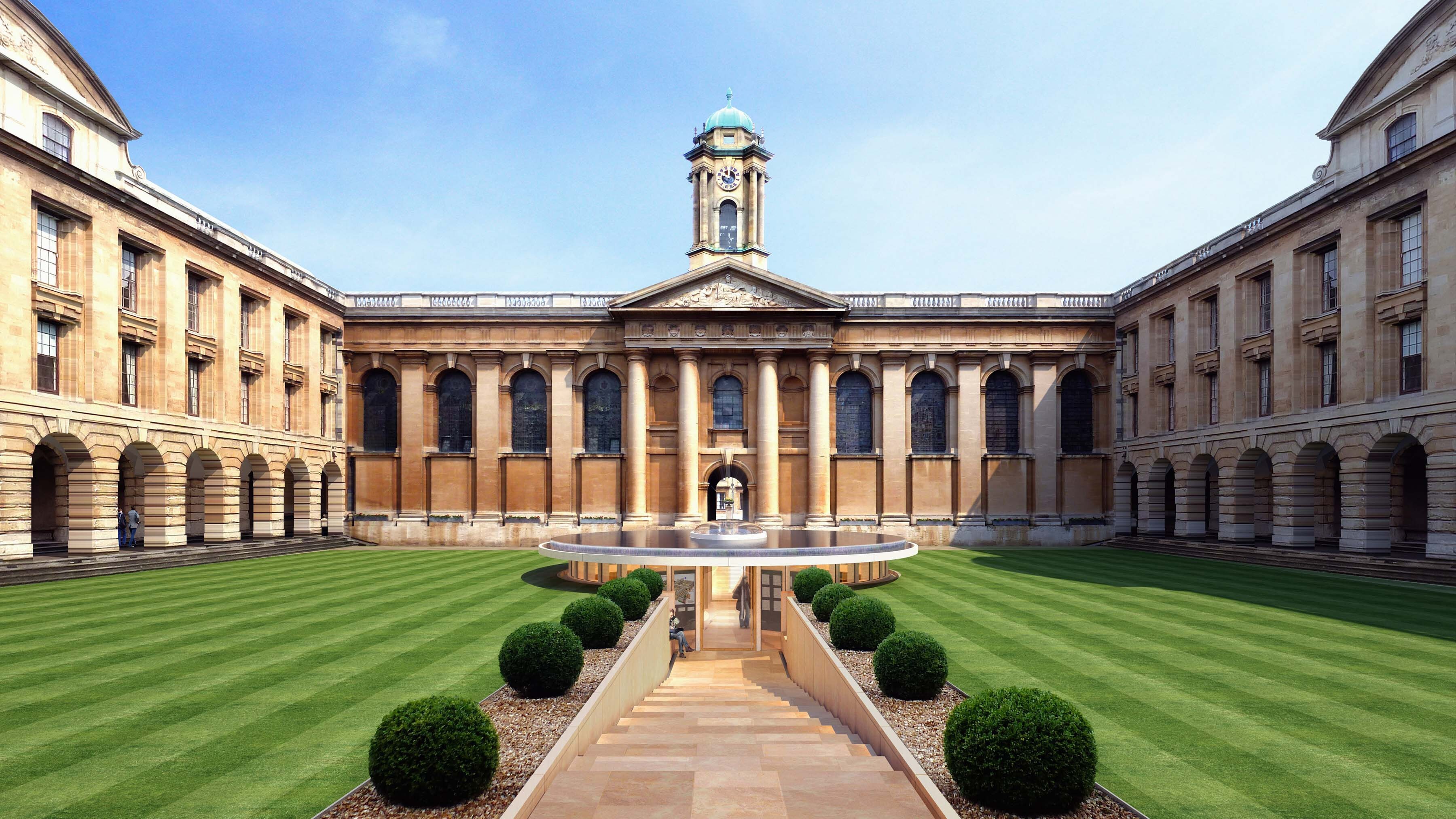
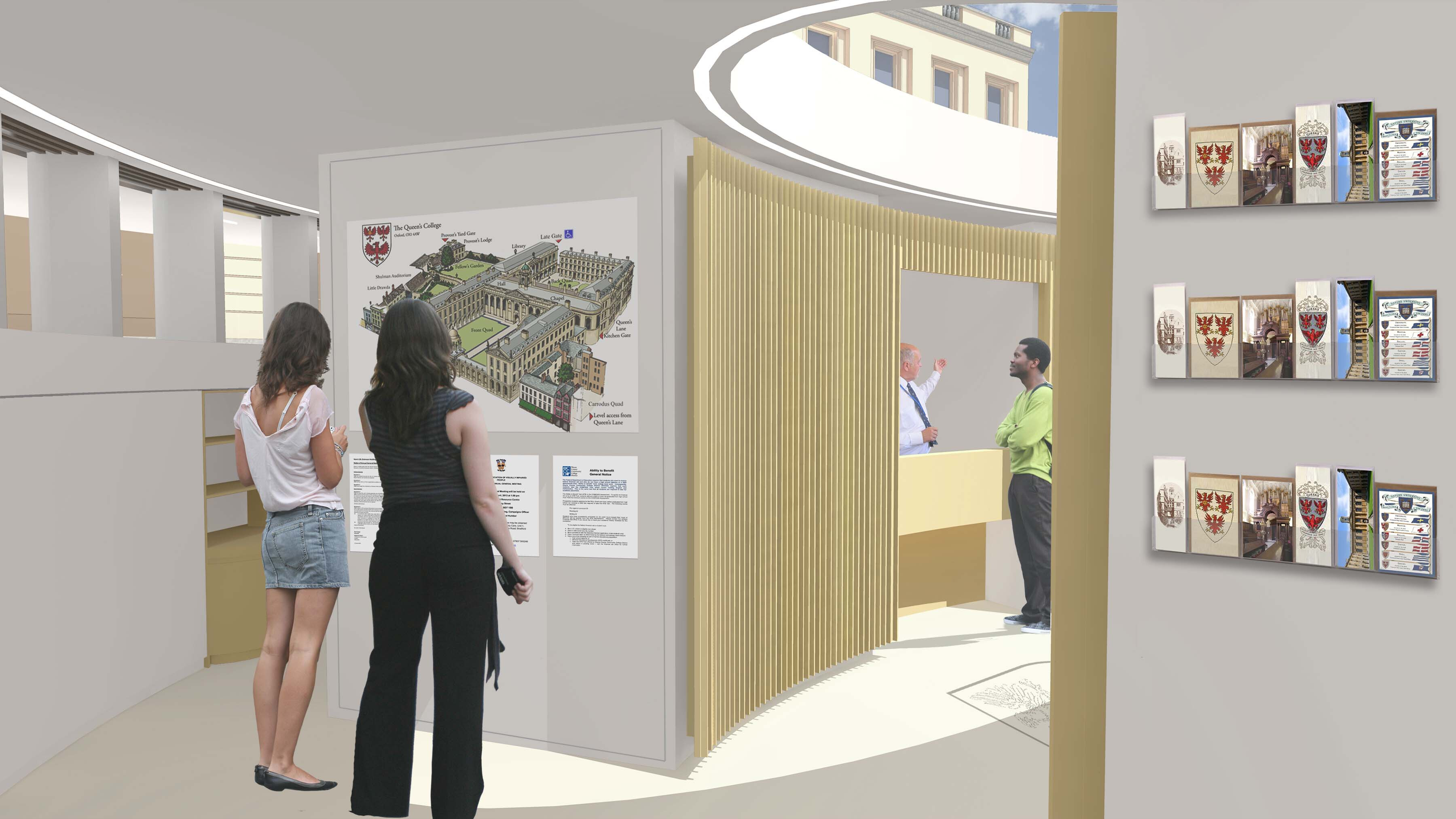
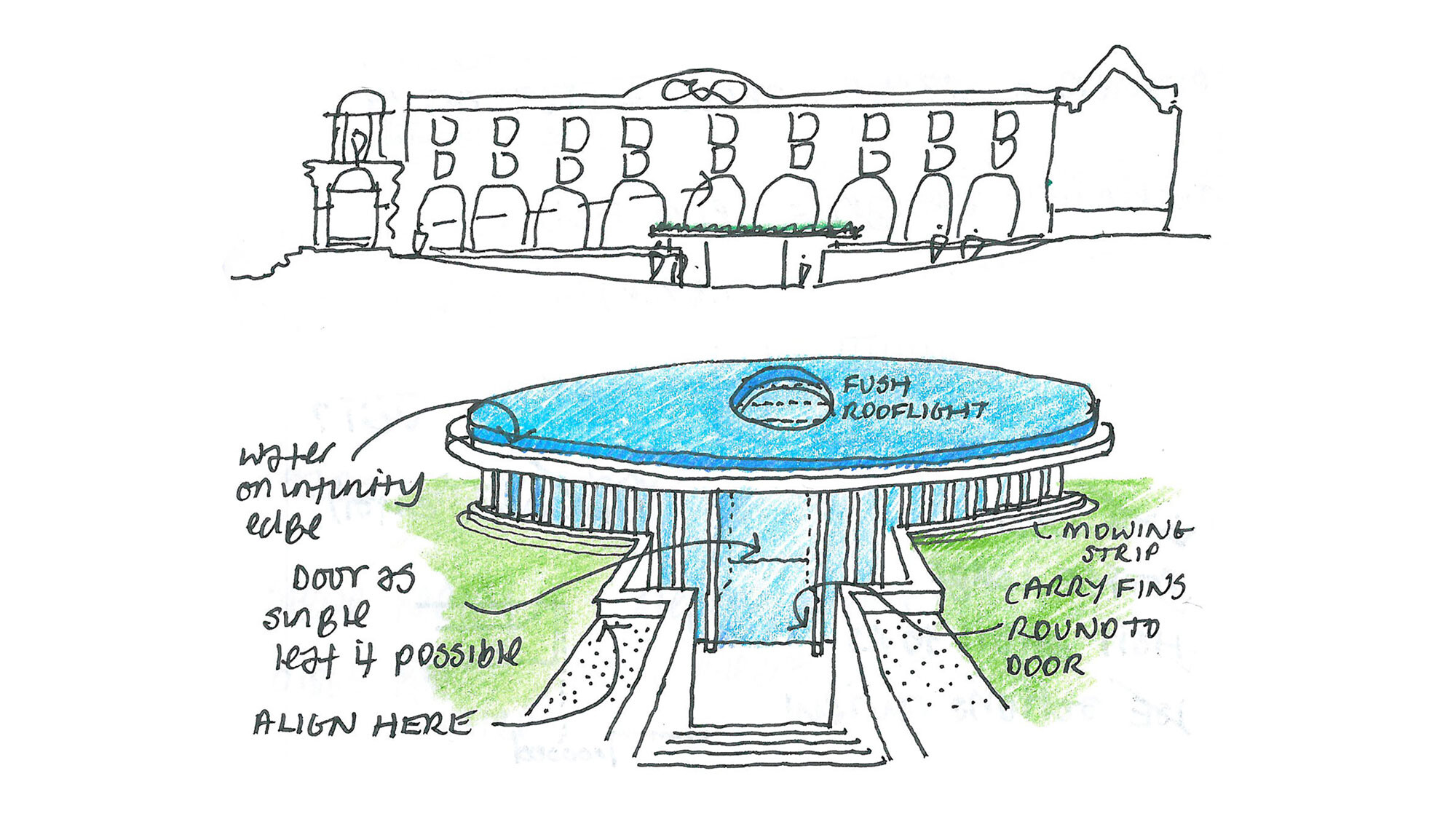
Our proposal fuses pragmatic considerations with poetic aspirations to create an enhanced sense of arrival within the peerless setting of the front quad of Queen’s College. The lodge is located within a semi interred circular building set under an oval pond on the main circulation axis. This allows the removal of all structures from the cloisters, restoring the original architectural serenity of the setting, whilst submerging the building within the grass will ensure its subservience to the existing architecture. The lodge is approached by shallow stone steps dropping down between retaining walls, tapered to reinforce the sense of progression. On entering the lodge an oval rooflight provides a striking view of the Hall/Chapel turret in one direction and entrance gate cupola in the other, emphasising the lodge as a point of arrival. External walling is glazed between radiating fins, a nod to the radiating double-columns of Hawksmoor’s entrance cupola. At night, light will spill through, lighting the soffit of the cantilevered pond above so that the pond will appear to float over the lawn. |
|
|
|
|
|
Comandate Ferraz Brazilian Base
|
King George Island, Antarctica
|
|
|
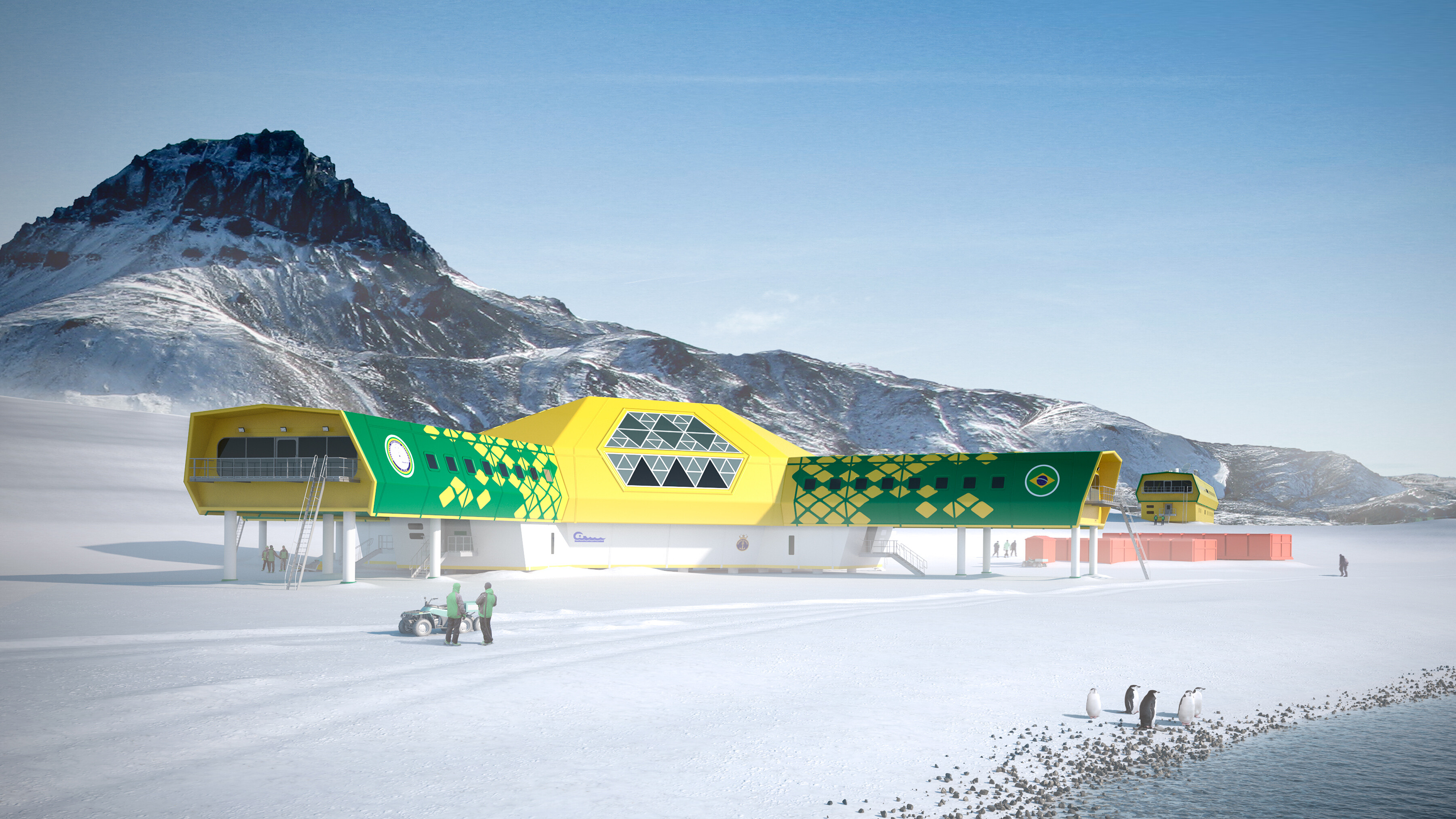
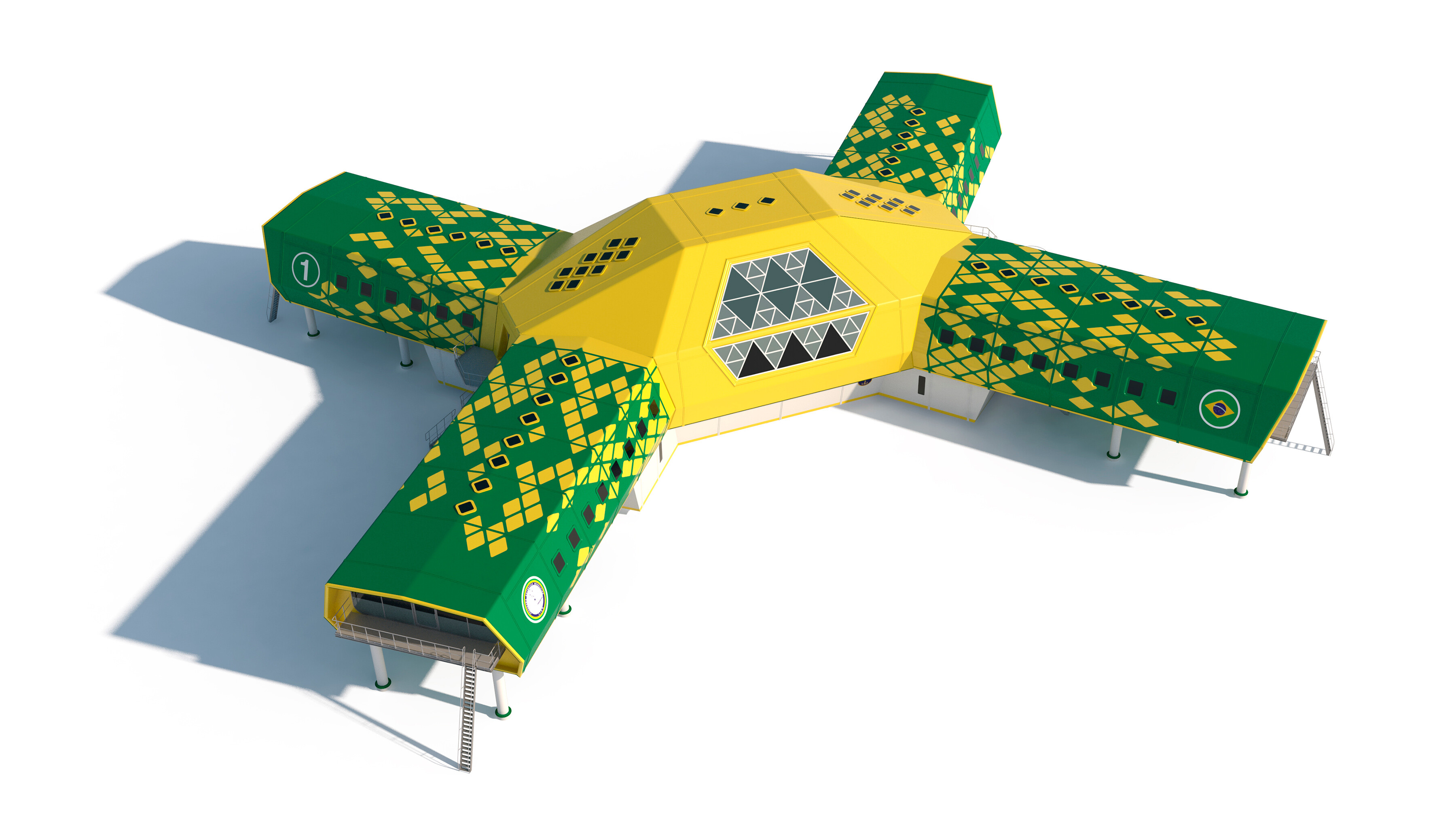
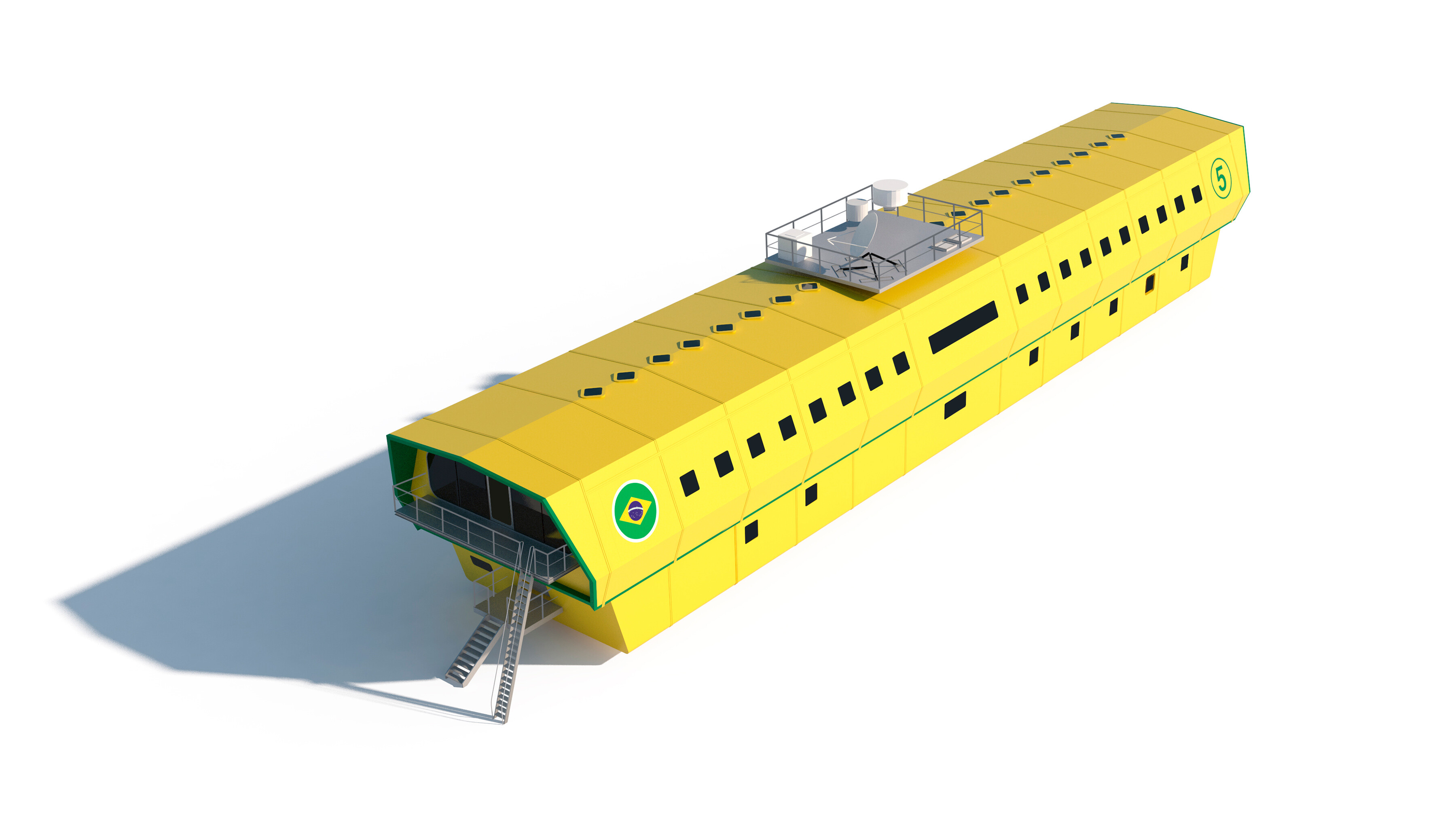
Our project combines Brazilian flair with extensive experience designing polar research stations in Antarctica and the Arctic. The station is arranged in three blocks. At the centre is the main habitat with four wings of bedrooms leading to the central social spaces, which have fantastic views out. The science building is placed a short walk away from the habitat and maximises flexibility with integrated zones for structure and services. Social spaces are placed in the centre and act as incidental points of interchange between scientists. Remote scientific installations are accommodated within single storey buildings and made from the same modular components as the rest of the station. The base will be constructed with modular steel framed buildings clad in brightly coloured glass reinforced fibre panels. Buildings will be elevated on segmented pre-cast concrete foundations. A standardised 4.3m x 10.5m module is used to create every building, simplifying fabrication, logistics and construction. |
|
|
|
|
|
|
|
|
|
|
|
|
|
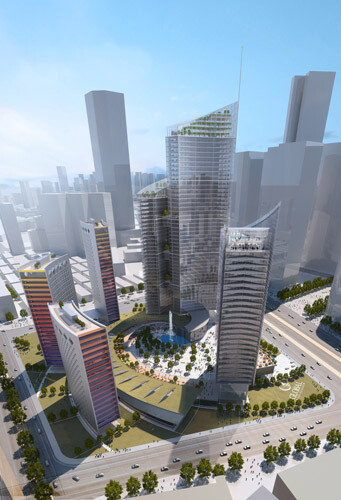
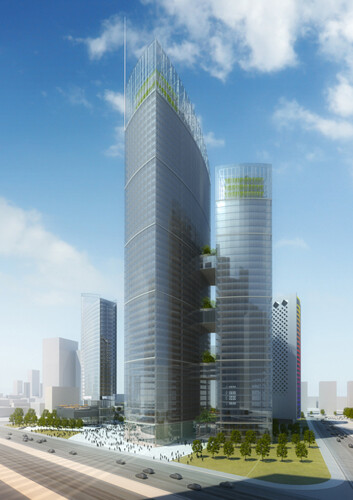
The Flower of Beijing is a dynamic mixed-use scheme that introduces an exciting mix of poetry and pragmatism to Beijing‘s Central Business District. Following the lines of nature’s spirals, tower buildings congregate in natural harmony around an intimate public space. Hotel and office towers form the gateway to the development. The office towers are linked by sky bridges, and provide space for offices, executive areas and meeting suites, alongside gyms, executive dining space and sky gardens. The hotel is 30 storeys high and contains 550 bedrooms, a rooftop health spa and pool, and a conference venue at ground level. A four storey commercial centre gently curves in towards the central plaza. The façade directly facing the plaza is two storeys high, creating a comfortable human scale. Three apartment blocks occupy the quietest part of the site and they grow in height from west to east in response to the changing scale of surrounding buildings. The careful placement of the residential buildings ensures clear views from every apartment. Sustainability has taken a central role in the design with an emphasis on passive measures to reduce energy consumption. |
|
|
|
|
|
Atmospheric Watch Observatory
|
Summit Station, Greenland
|
|
|
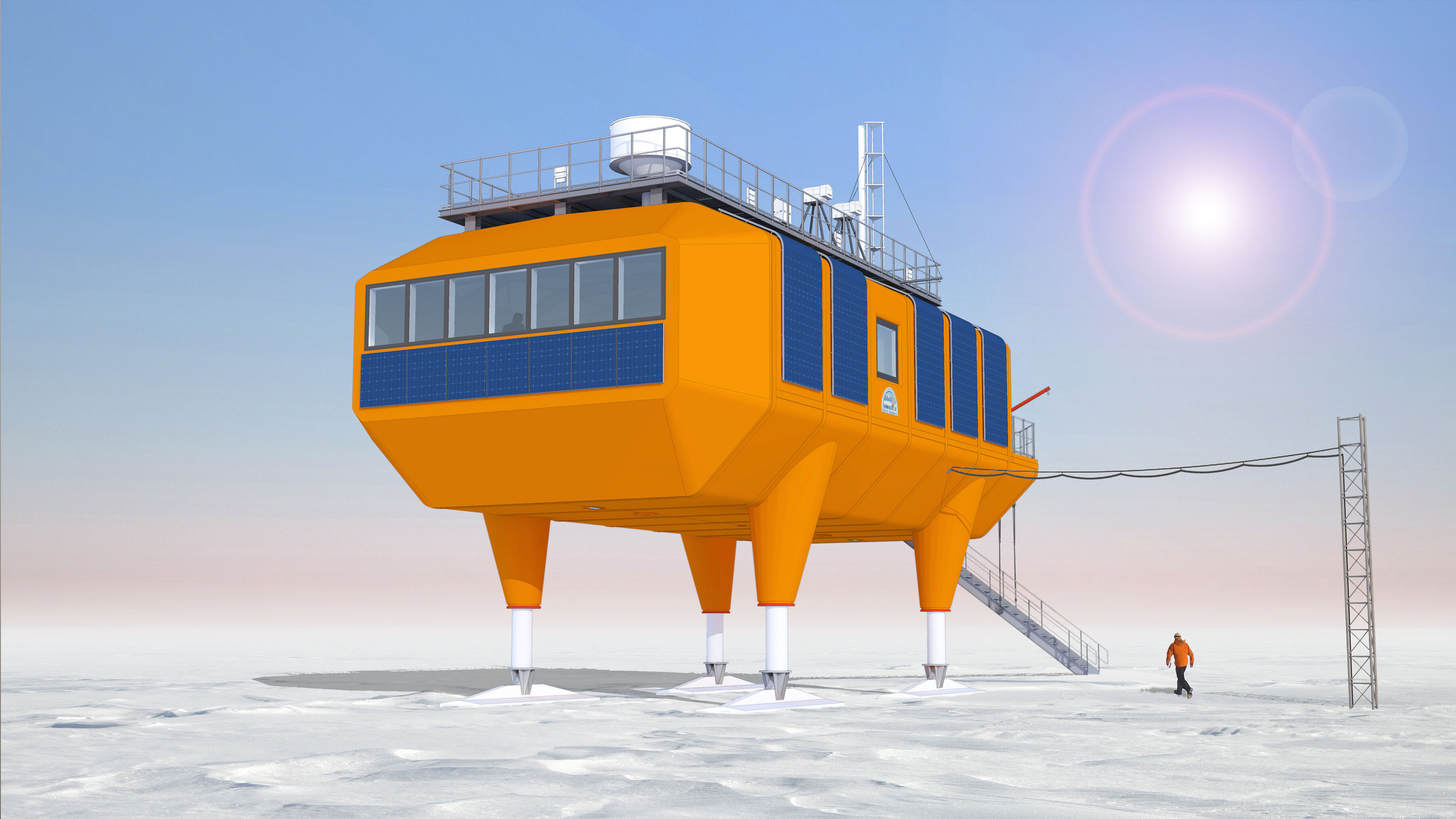
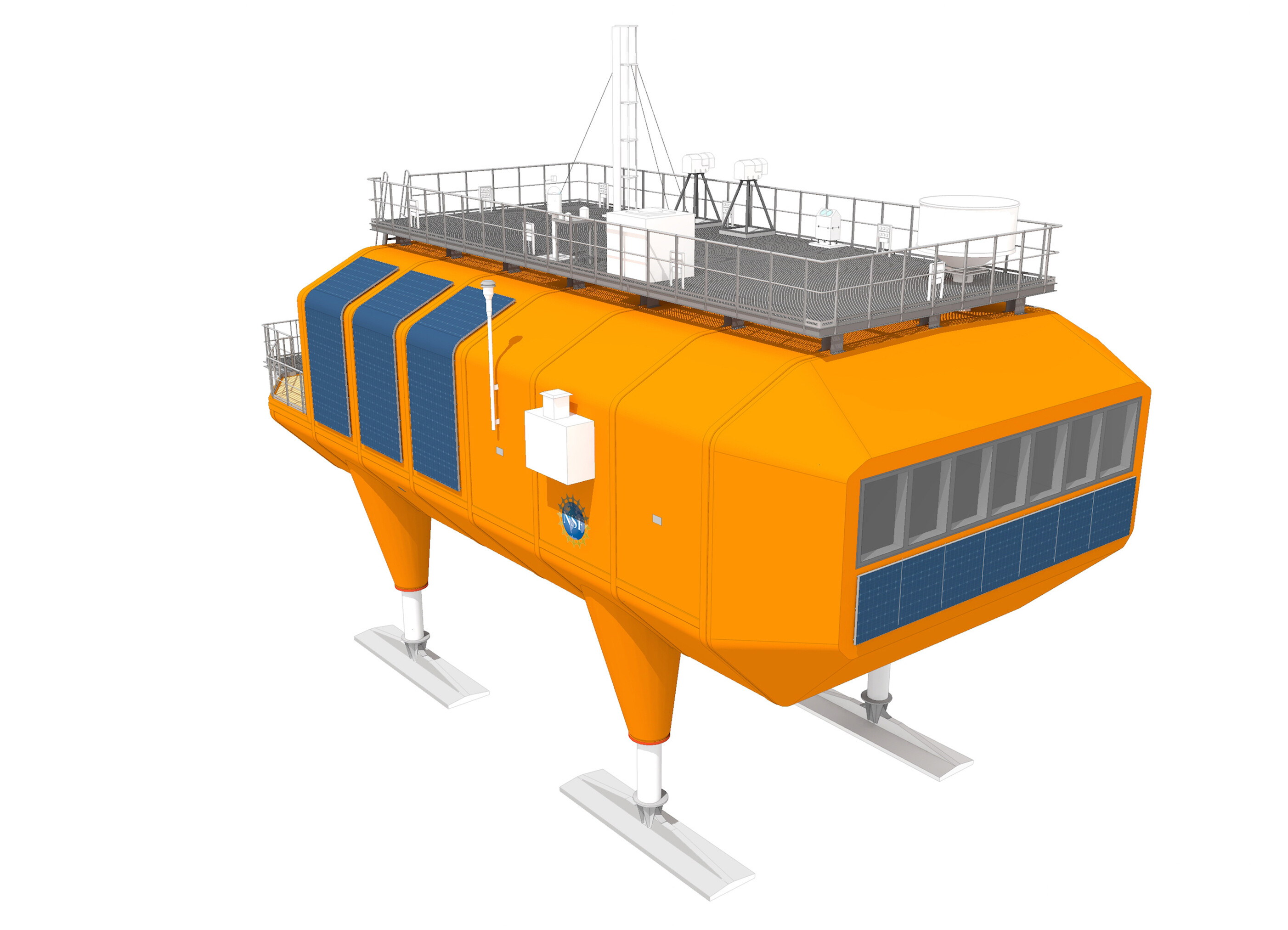
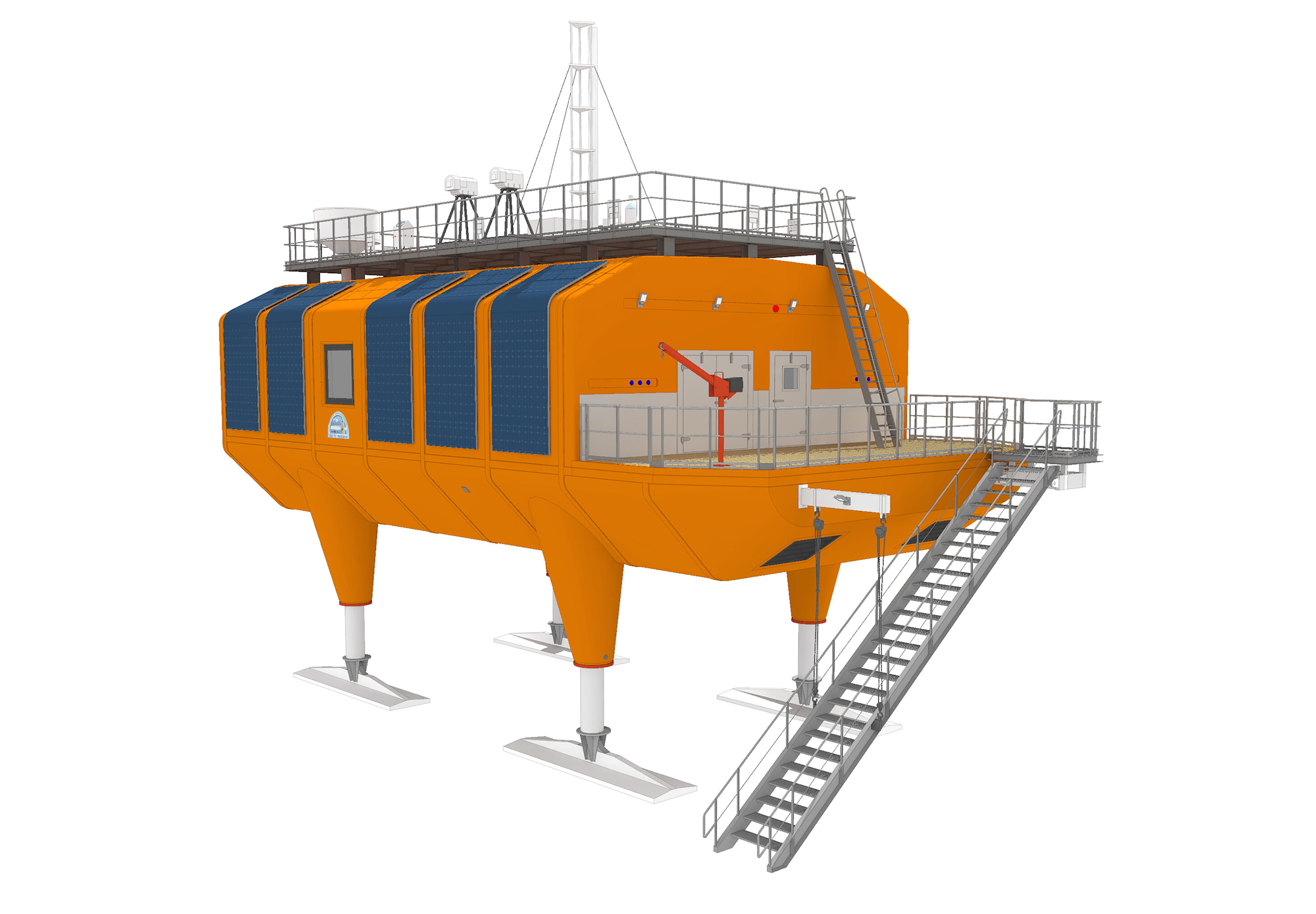
The design for the Atmospheric Watch Observatory has been developed in collaboration with AECOM and CH2M Hill Polar Services for the National Science Foundation (USA) for Summit Station in Greenland. Located at the top of the Greenland ice cap, at 72˚ north, 3225m above sea level and nearly 400 km from the nearest point of land, Summit Station is a scientific research station sponsored by the U.S. National Science Foundation under a permit with the Government of Greenland and operated by CH2M HILL Polar Services. The station is the home of the Greenland Environmental Observatory, which monitors key climate variables. Snow levels rise by 700mm per annum and temperatures drop to –60˚C in winter. The module is designed to provide year round state-of-the-art laboratory facilities for atmospheric and snow chemistry research. The energy efficient, aerodynamic design maximizes flexibility to suit the ever-changing needs of the scientific research. Features include hydraulic legs to help the module climb above the rising snow levels, highly insulated glass fibre cladding and integrated photovoltaic arrays. All materials have to be scrutinized to ensure no risk of pollution through off gassing of highly sensitive aerosol experiments. The module could be prefabricated in the USA, shipped to Thule in Greenland from where it would be hauled in sections 1,200 km across the ice cap to the station for assembly and commissioning. |
|
|
|
|
|
|
|
|
|
|
|
|
|
|
|
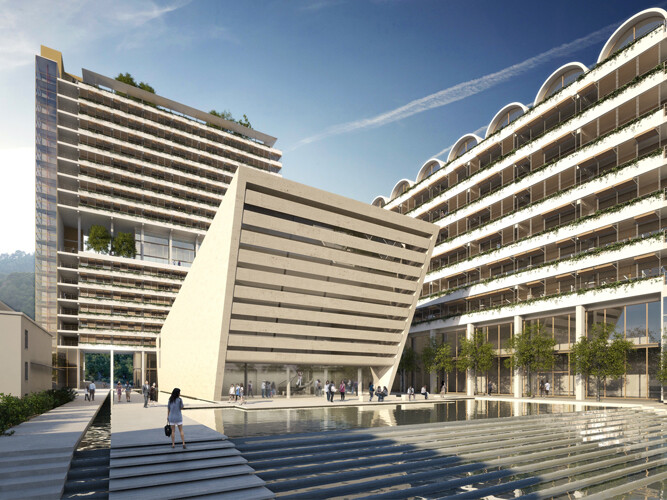
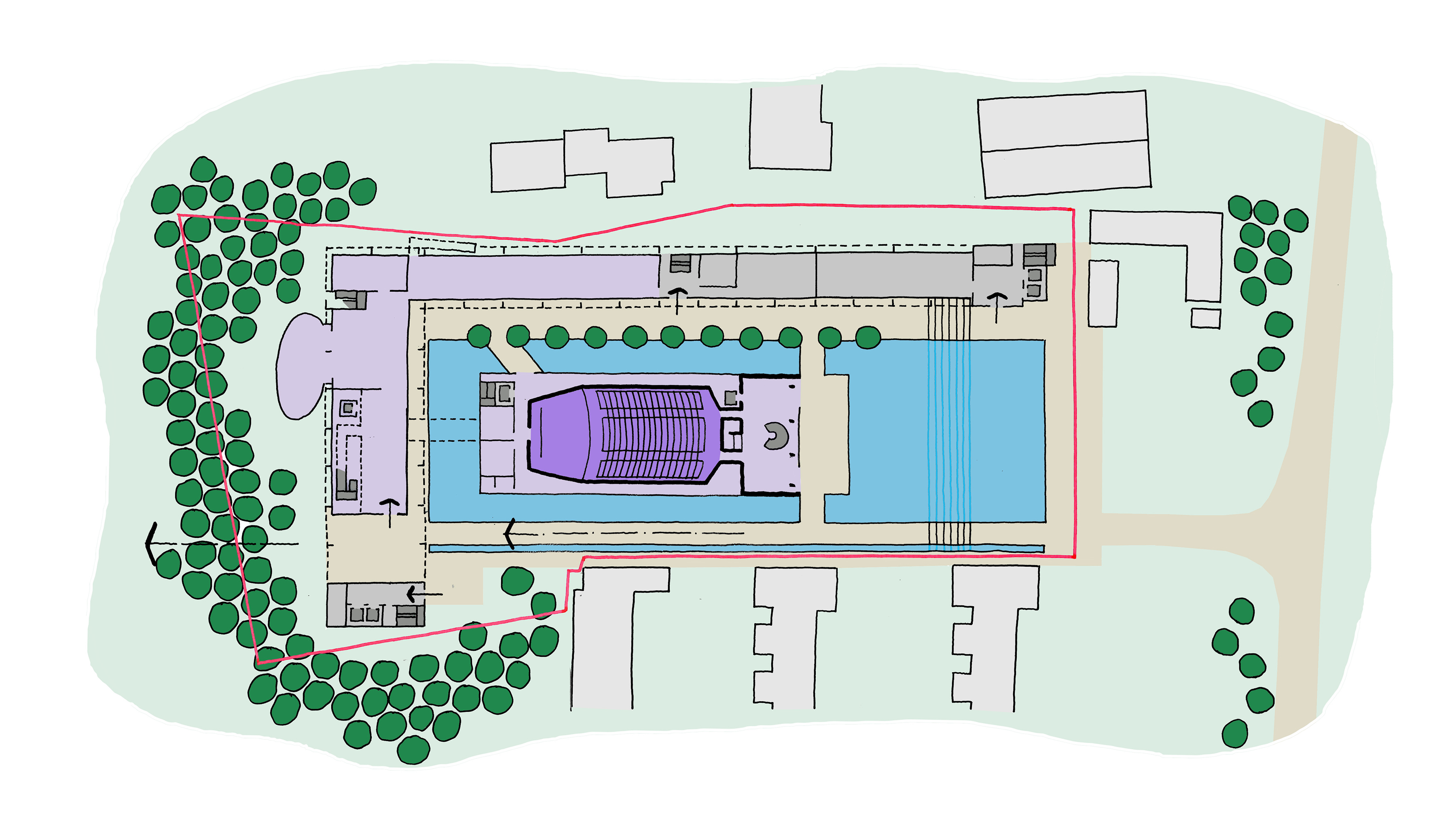
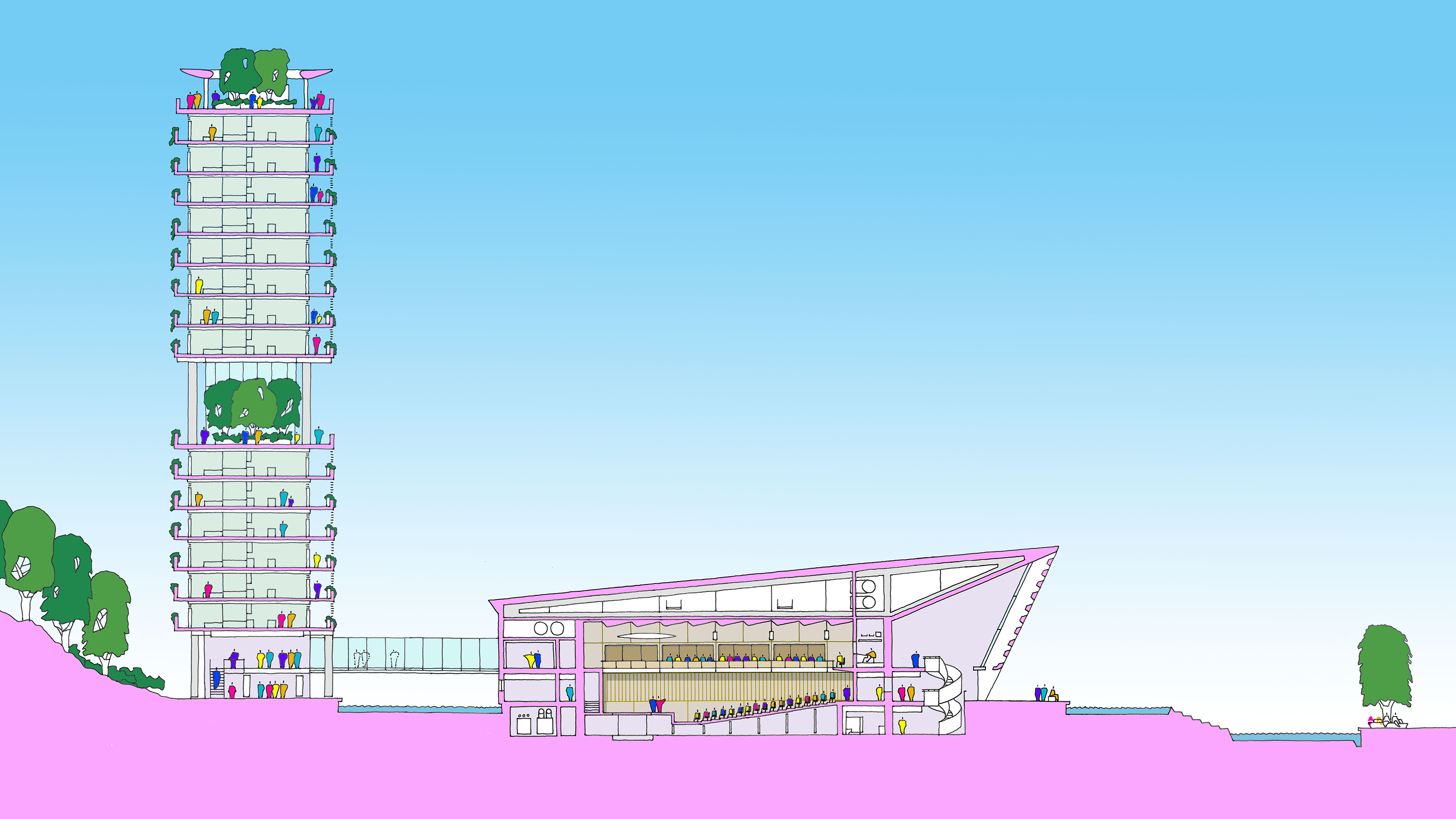
We have developed proposals for a religious study centre and students and staff accommodation for Shantou University in China. The centrepiece of the scheme is a 400-seats auditorium for conferences and music performances. The auditorium is framed on two sides by high-rise accommodation blocks for university staff and students. The auditorium starts as a simple, timeless stone clad box. The box is chamfered to improve internal acoustics. A public foyer overlooking a pool of water provides an access threshold and space for circulation and informal gatherings with a feature stair connecting the different floor levels. A glass link bridge connects the auditorium back to the religious study centre on the ground and first floor of the accommodation blocks. Cut backs in the floor let natural light penetrate down to basement level. The circulation space is glazed and shaded with a simple repeating structure, offering views in and out and promoting informal gatherings. Nature permeates the scheme, with views of the surrounding landscape framed at strategic locations. The building is set within a pool of water, emphasising senses of calm, tranquillity and harmony with nature. |
|
|
|
|
|
|
|
|
|
|
|
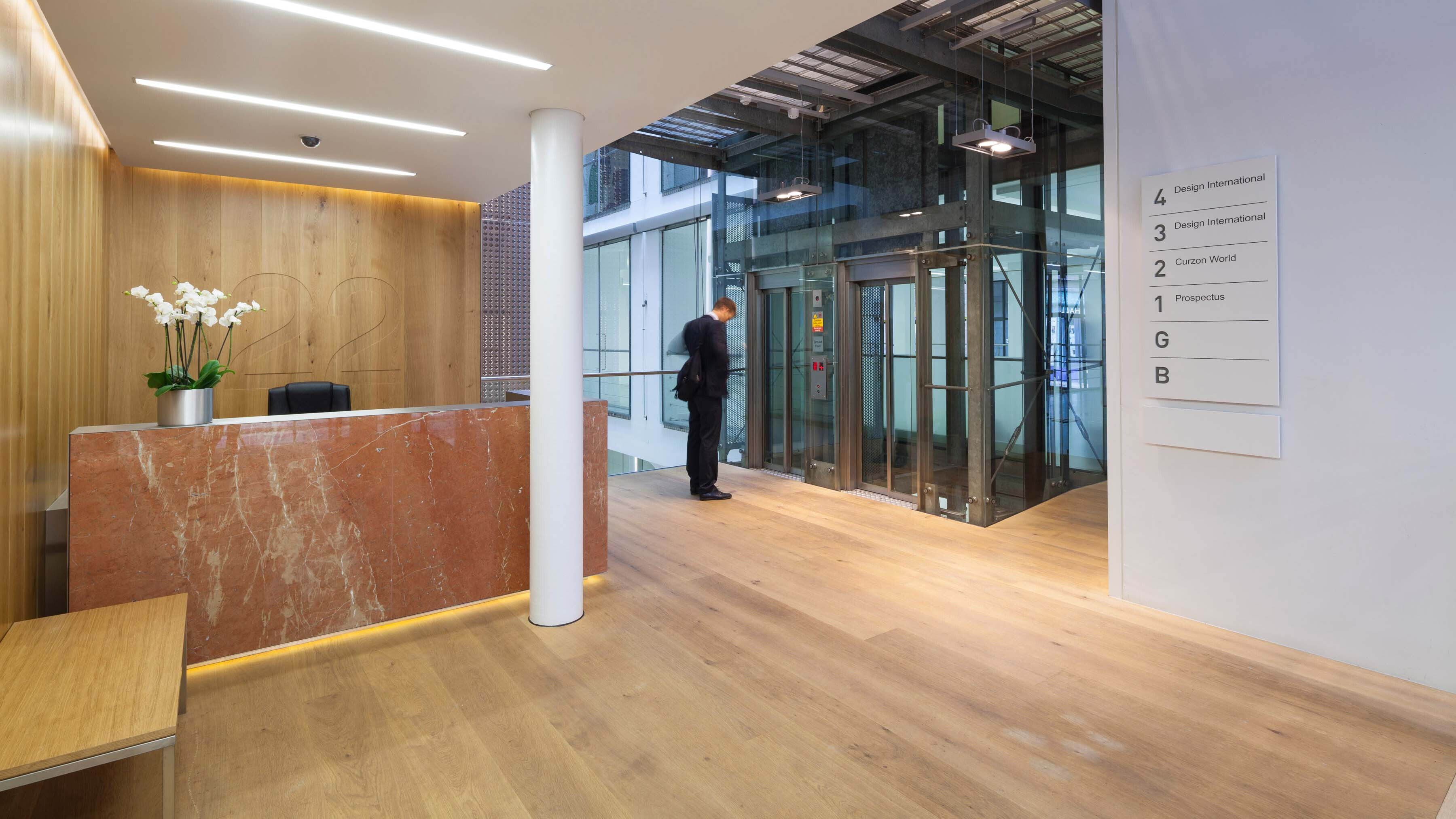
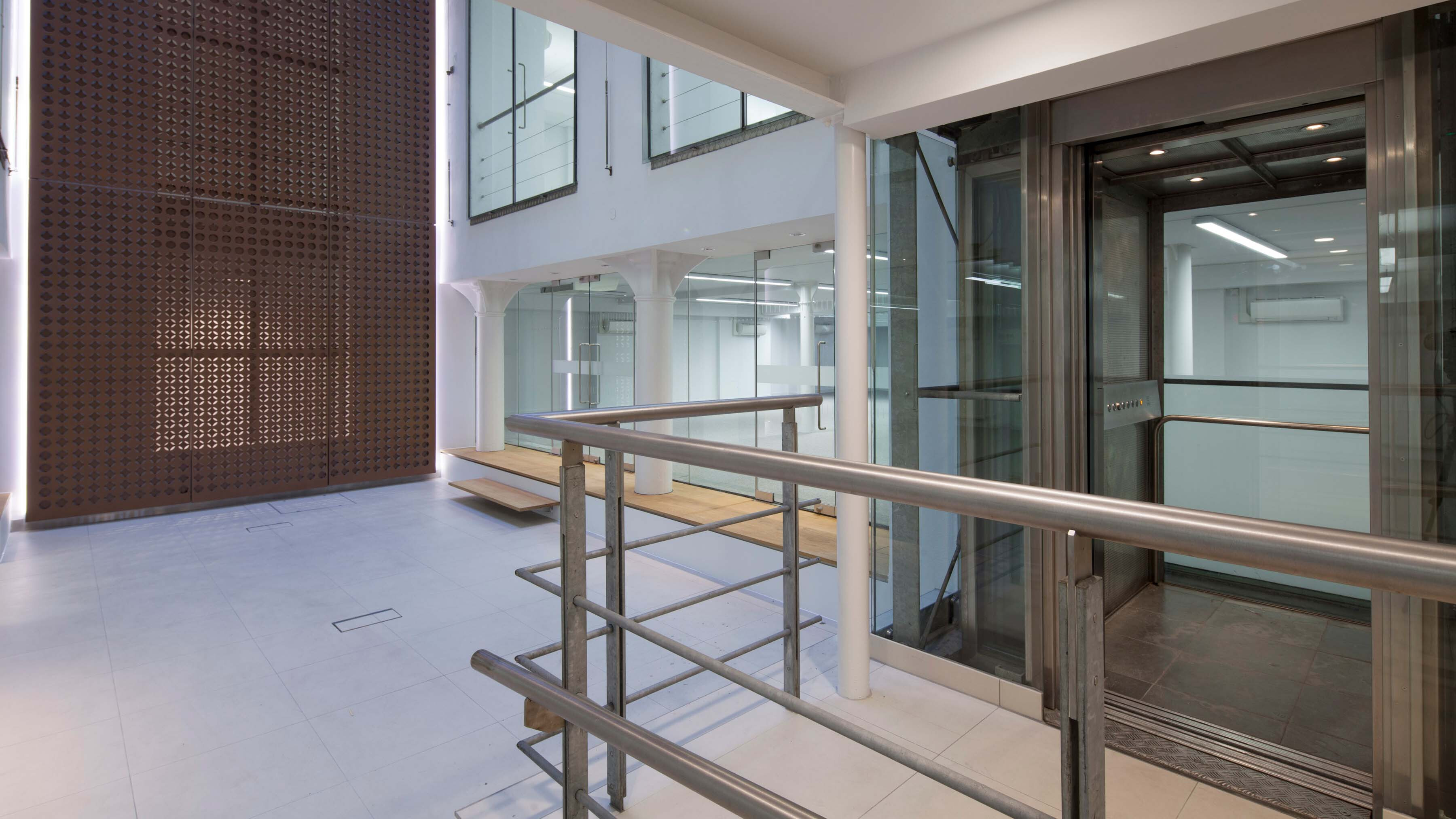
The project was developed with Colliers Capital for Staffordshire County Council and transformed tired and dated commercial premises into a bright and welcoming development which substantially increased the value of the property following completion. The six-storey building is located within the Seven Dials Conservation Area in central London. The building was converted from a furniture warehouse to offices and extensively remodelled in the 1990’s. The refurbishment project reconfigured and widened the entrance hall to provide a more generous and welcoming reception space, refurbished two floors of offices and enhanced circulation areas and toilets. Elegant finishes and materials have been used throughout to enhance the presentation of the space and make it more appealing to prospective tenants. Facilities for disabled access have been upgraded in line with legislative requirements and a new centralised comfort cooling system has been installed to serve all office areas. |
|
|
|
|
|
Royal Society of Chemistry
|
|
|
|
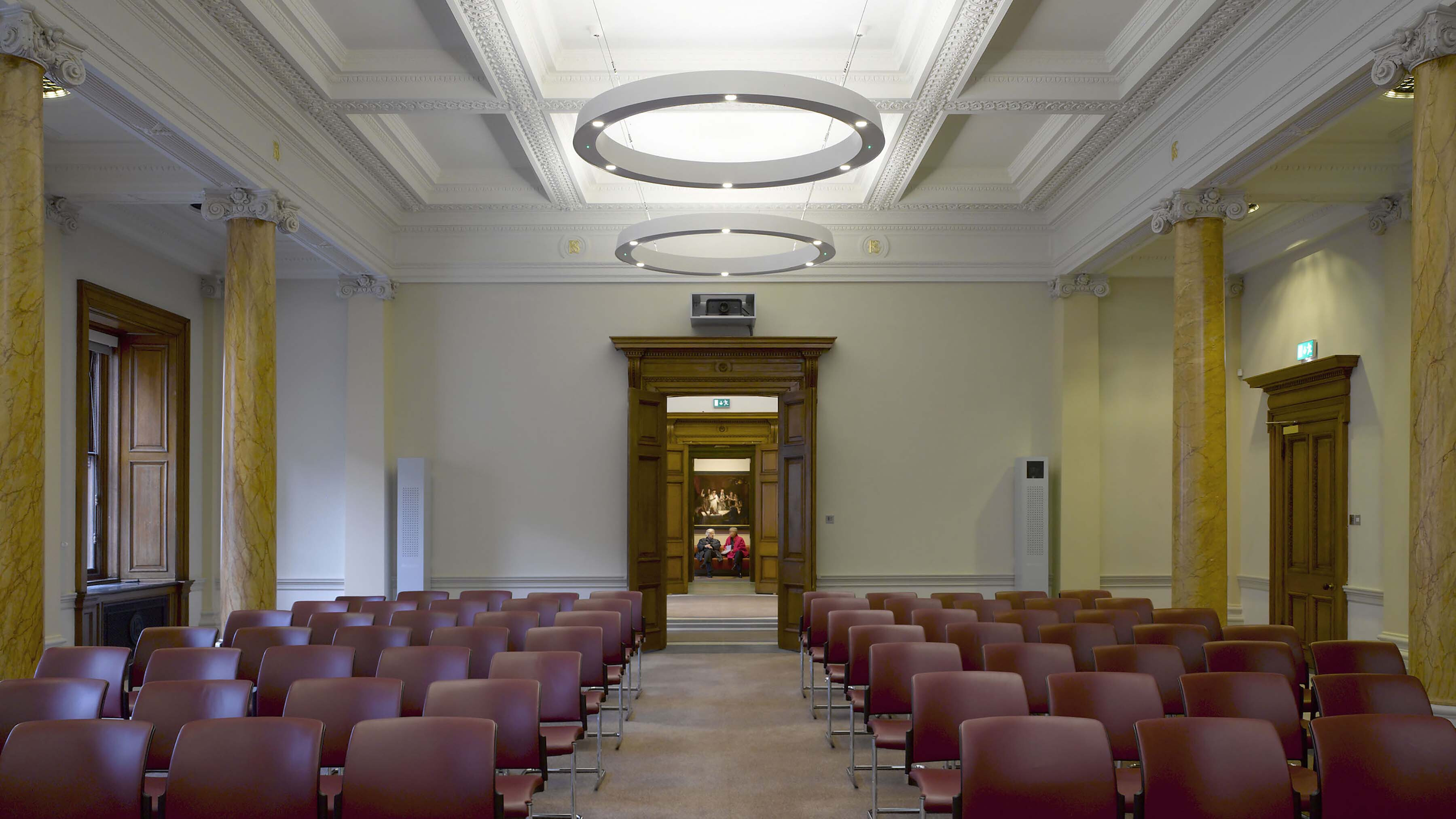
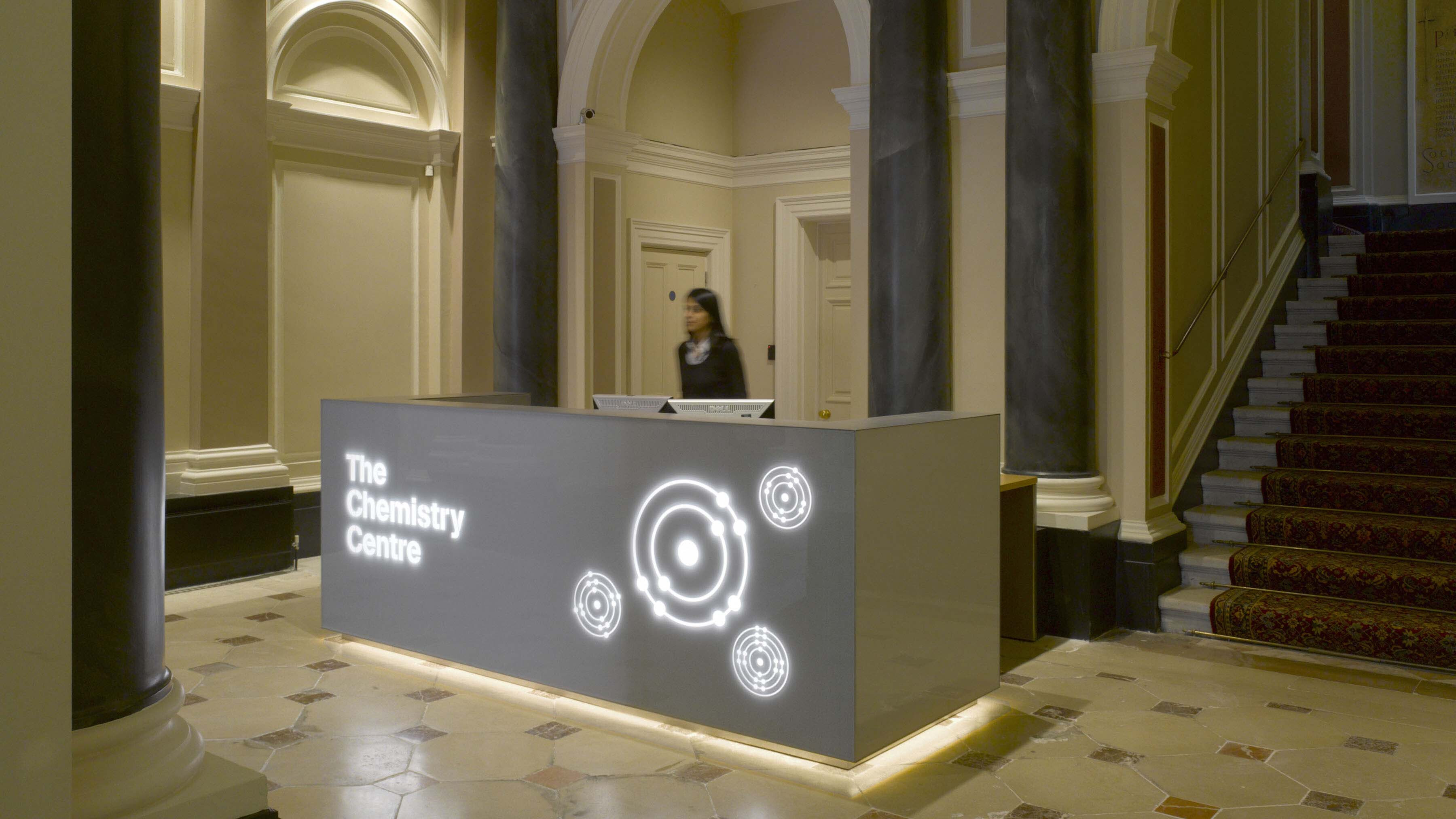
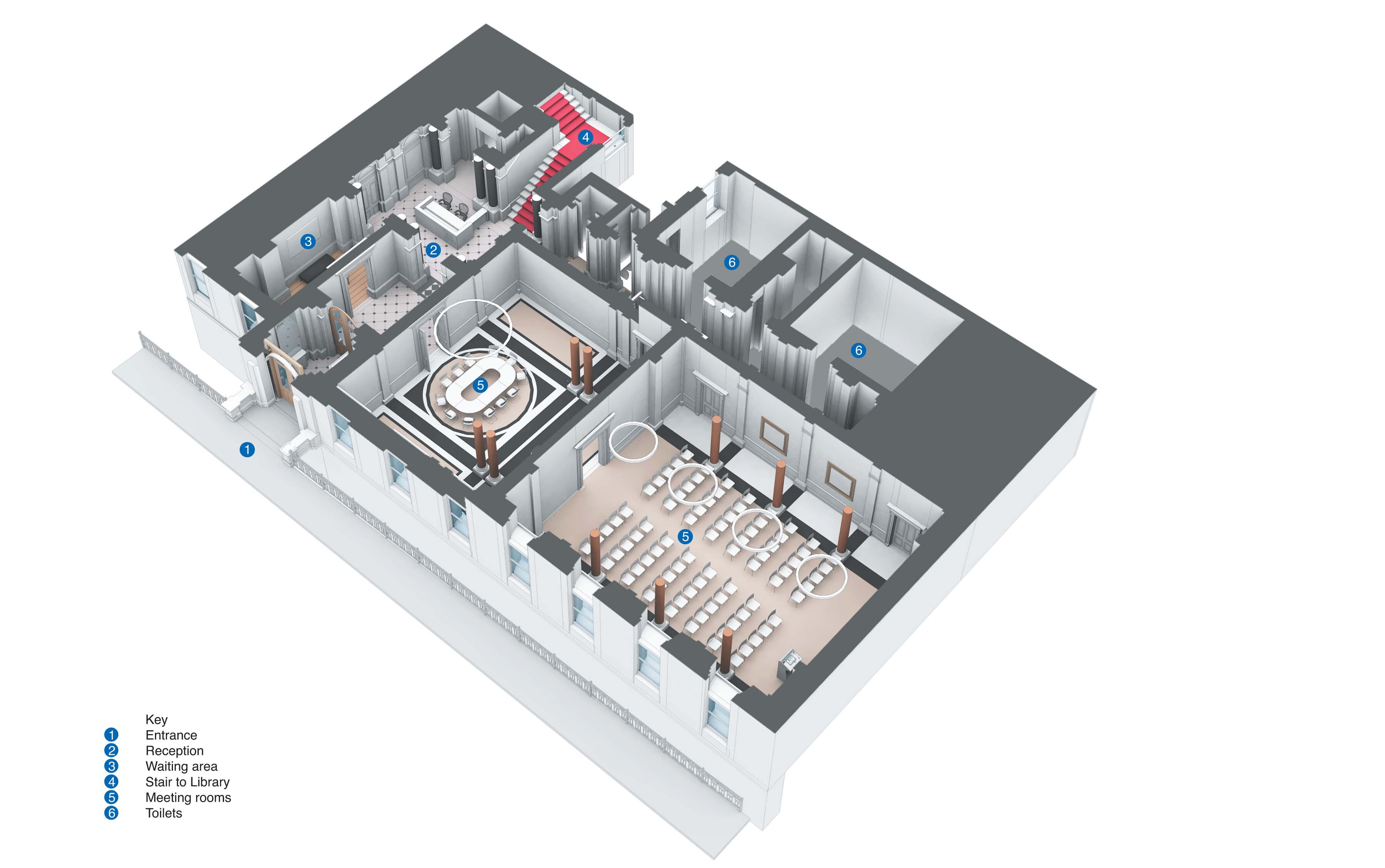
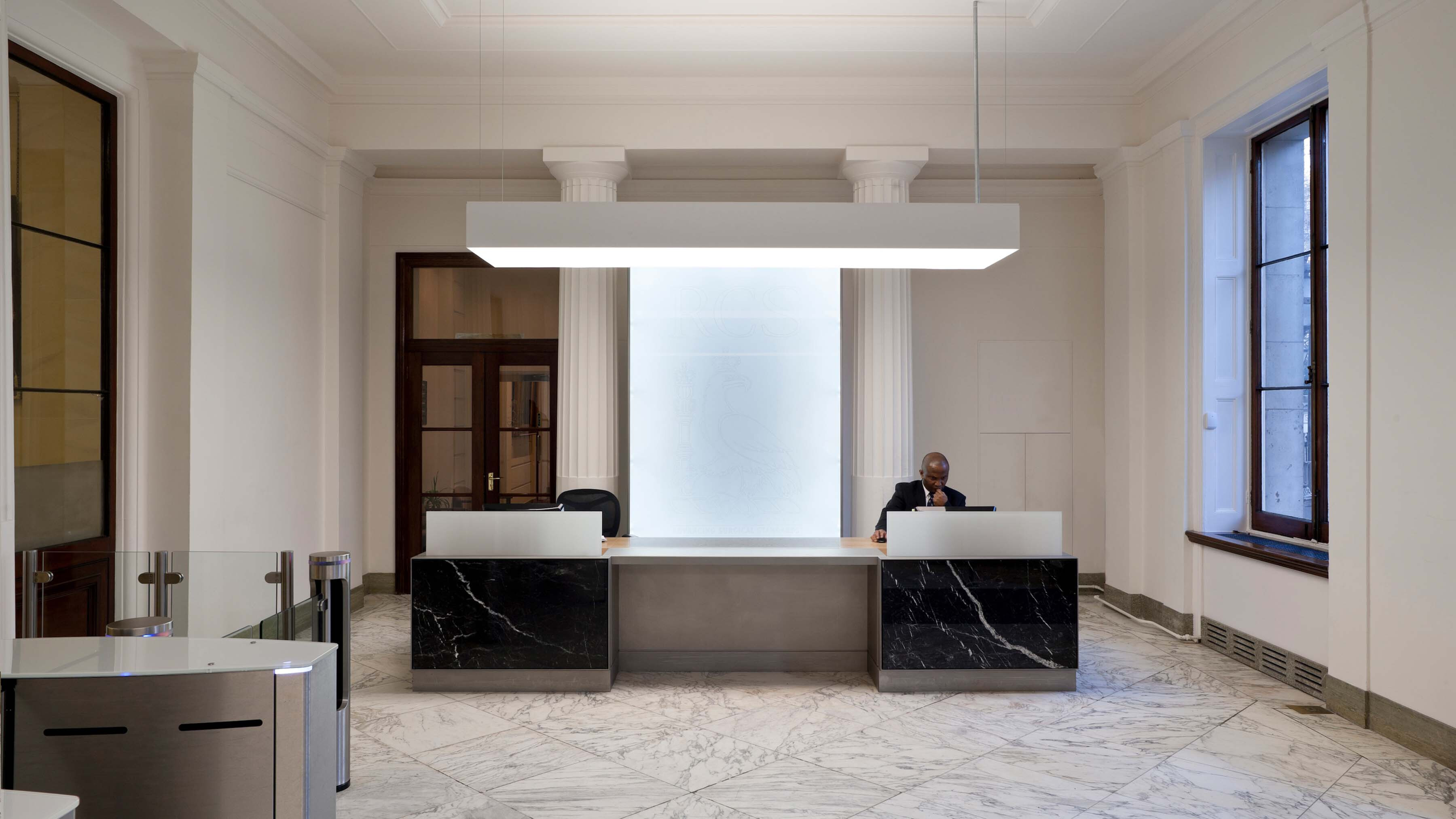
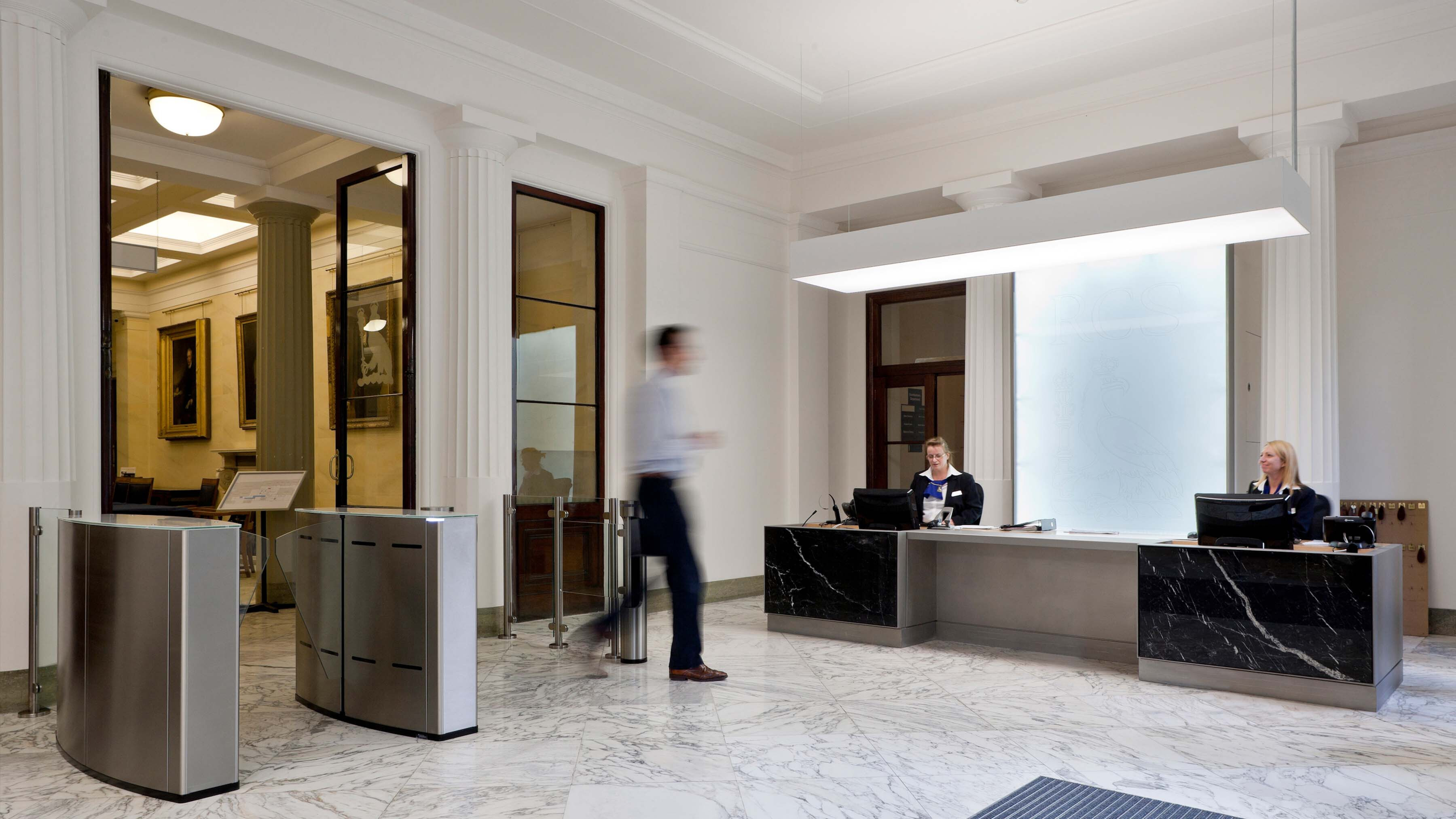
The Royal Society of Chemistry is located in Burlington House in central London, adjacent to the Royal Academy. The courtyard buildings were designed in 1867 by Messrs Banks and Barry to house the Linnean, Antiquaries, Geological, Astronomical and Chemical Societies. The buildings are Grade II* listed. Following a design competition, Hugh Broughton Architects were appointed to design the Chemistry Centre project, which included the provision of reception facilities and the refurbishment of the meeting rooms as a lecture theatre. The reception desk has been relocated to provide a generous space to welcome visitors. The desk, faced in white glass with back lit graphics, is an elegant intervention which can be glimpsed from the courtyard outside. Ancillary space has been opened up to create a waiting area and improve circulation. The stone floor has been carefully restored and lighting replaced to create a welcoming and calm environment. Services have been carefully concealed to ensure that new installations sit comfortably within the original architecture. Existing toilet areas and staff room have been reorganised to maximise toilet provision and improve accessibility, using a palette of contemporary materials. |
|
|
|
|
|
Jang Bogo Korean Antarctic Station
|
Terra Nova Bay, Antarctica
|
|
|
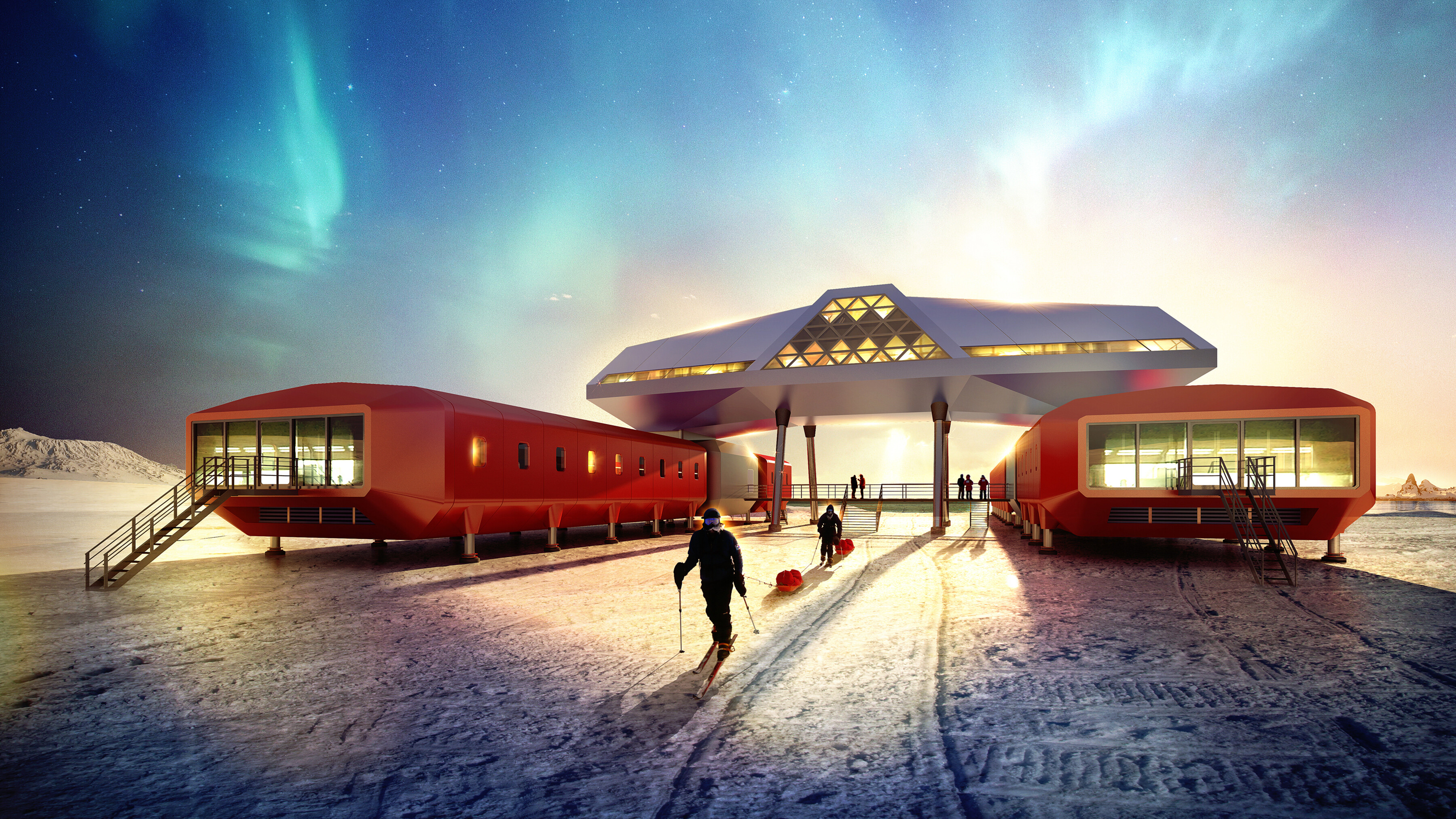
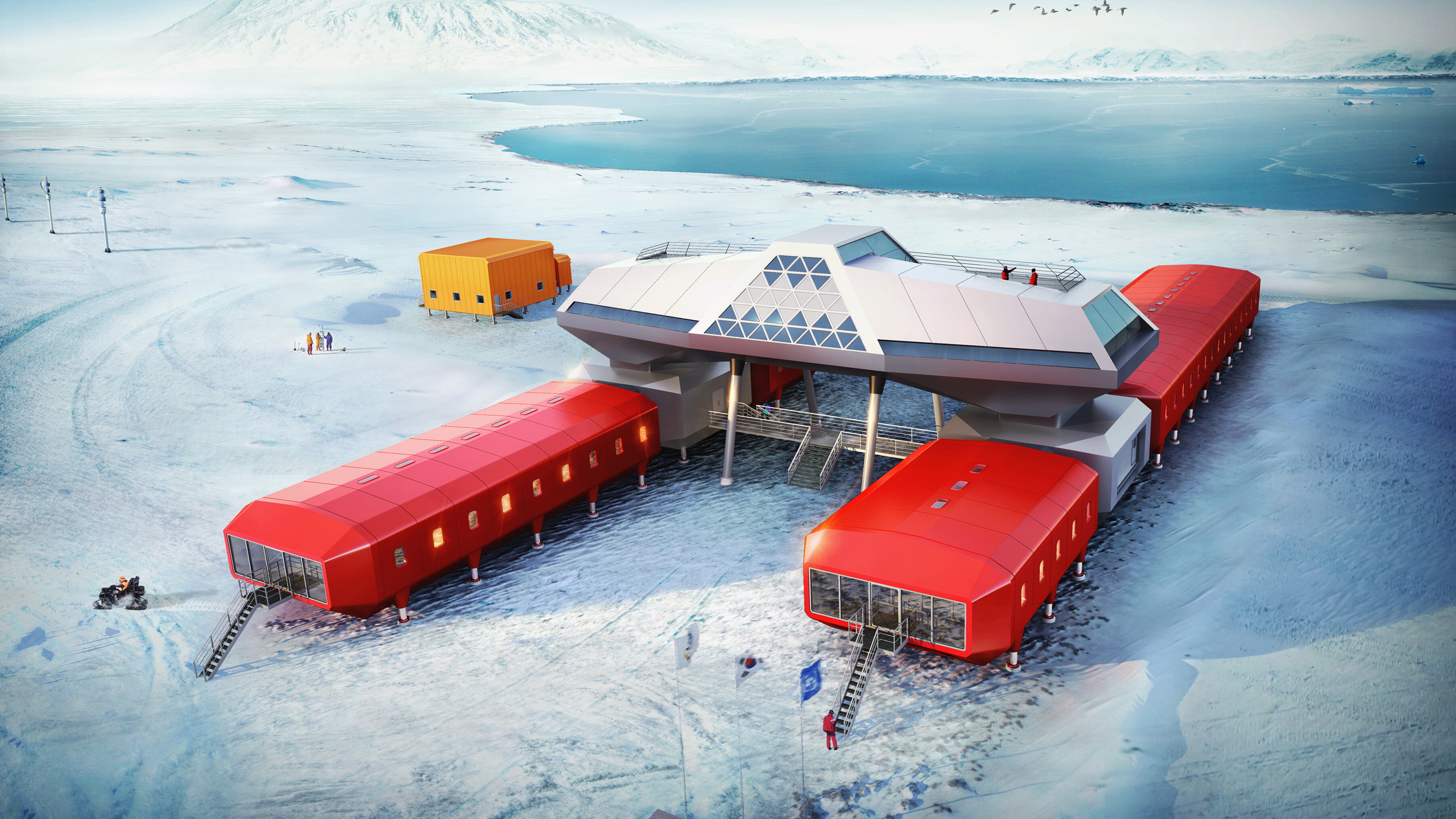
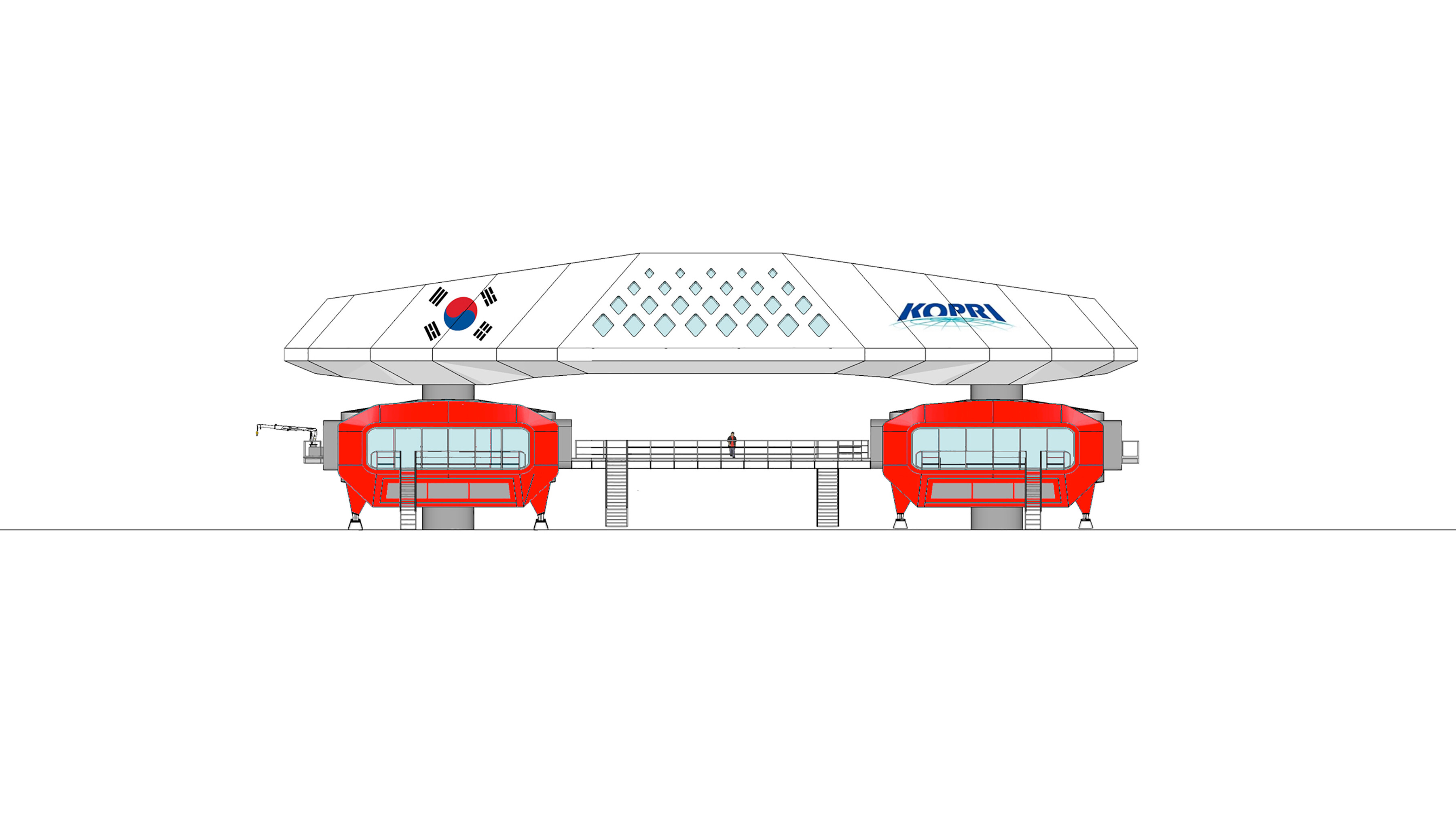
A British – South Korean consortium led by Samsung Construction and including Hugh Broughton Architects, Samoo Architects and Engineers and Galliford Try International have developed designs for the new Korean Antarctic Research Station at Terra Nova Bay. The project underlines further our extraordinary expertise in the design of research buildings for this unique, challenging and beautiful environment. The new station has been designed to provide accommodation for 16 people in the winter and 60 in the summer. The exposed site is buffeted by strong wind, often exceeding 160 km/h with temperatures dropping as low as -35˚C. Our team has proposed a modular solution, which places sleeping and science space in parallel FRP-clad modules with a special social module spanning between. The design draws heavily upon traditional Korean architectural forms to create a gateway to Antarctic science. The forms and alignment of the station also respond to the prevailing westerly wind to minimise snow drifting and ease maintenance on site once the station is operational. |
|
|
|
|
|
The Royal College of Surgeons
|
|
|
|
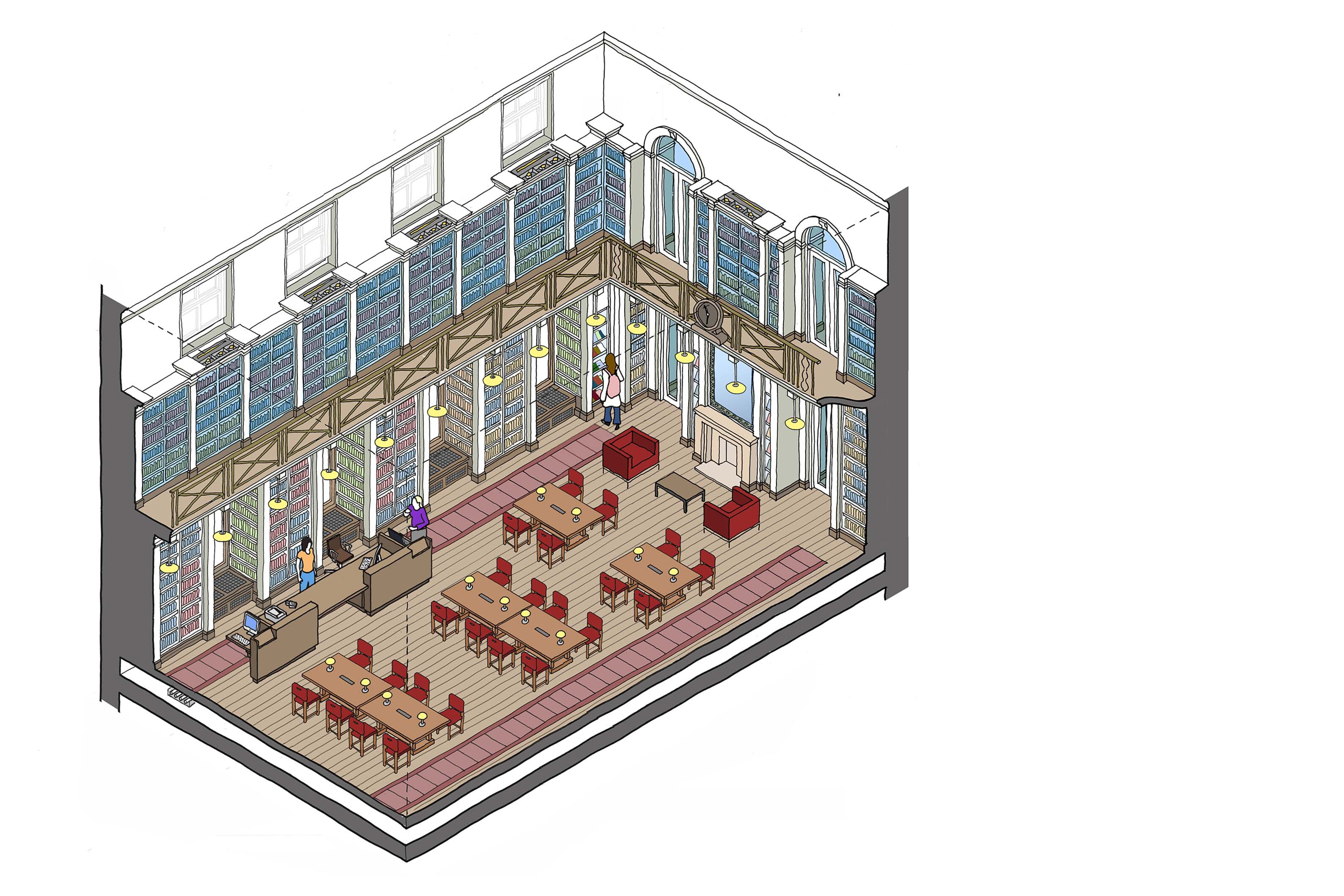
The Royal College of Surgeons headquarters, in central London, was completed to designs by Sir Charles Barry in 1835 and is Grade II* listed. Following a competitive interview process, Hugh Broughton Architects were appointed to develop a comprehensive scheme for the first floor of the building, including reorganisation and renovation of the Library and Information Services, the relocation of the Wellcome Museum of Human Anatomy and the upgrade of ancillary visitor facilities. The proposals include the reinstatement of original finishes and the integration of a series of environmental and operational upgrades. A new rare books gallery allows public display of the College’s unparalleled collection of medical literature within a close controlled environment. Elsewhere on the first floor new offices are created for library staff, a new break out space-cum-public café has been introduced and toilets are upgraded. The relocated Wellcome Museum incorporates display, study and presentation space over two floors, bringing all teaching resources into one area within the building. In January 2010 we were commissioned to re-design the reception area to the College to create a more modern, and welcoming space. The project was completed on a fast track contract, executed during the quiet summer period. |
|
|
|
|
|
Southend Pier Cultural Centre
|
|
|
|
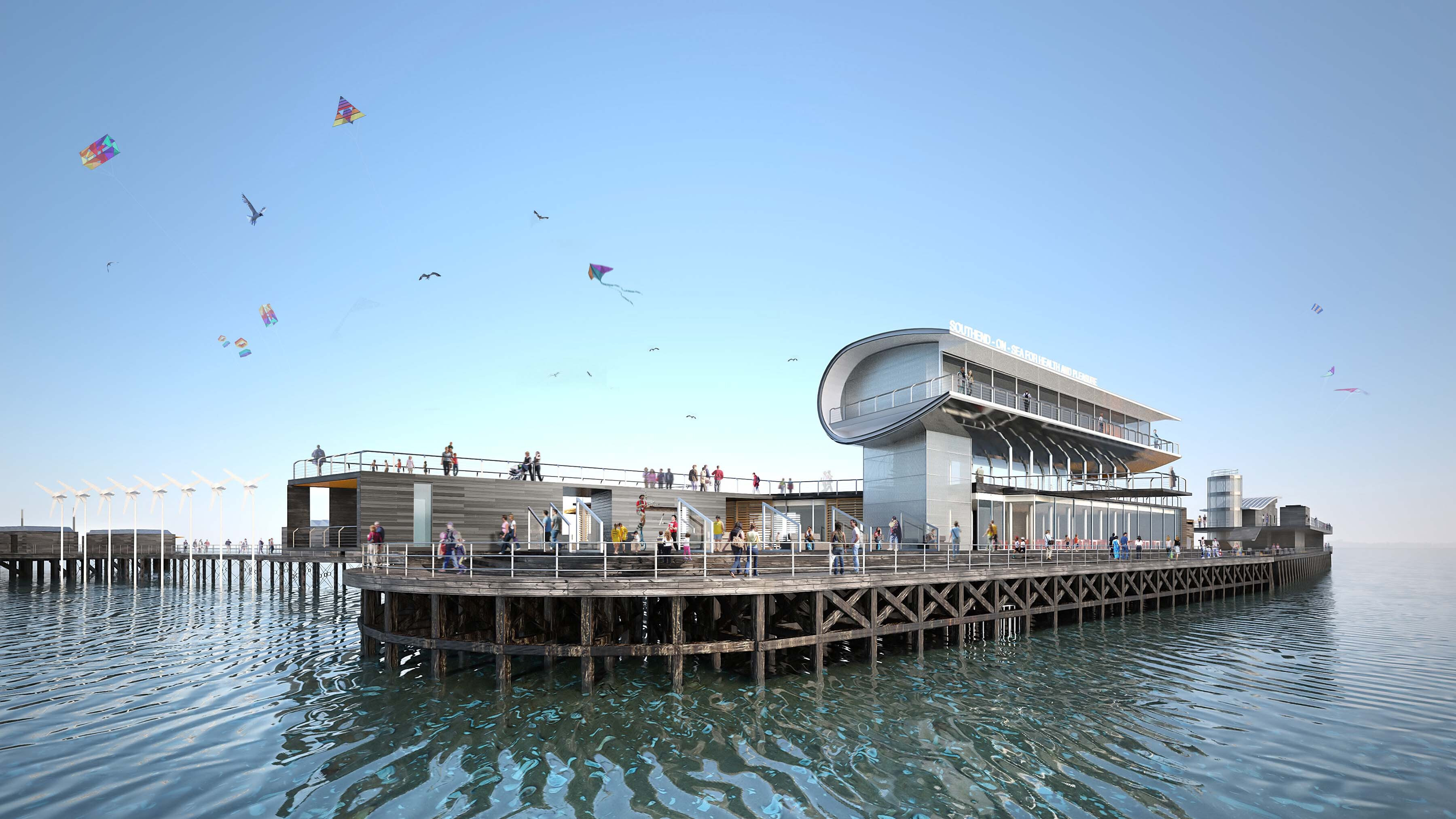
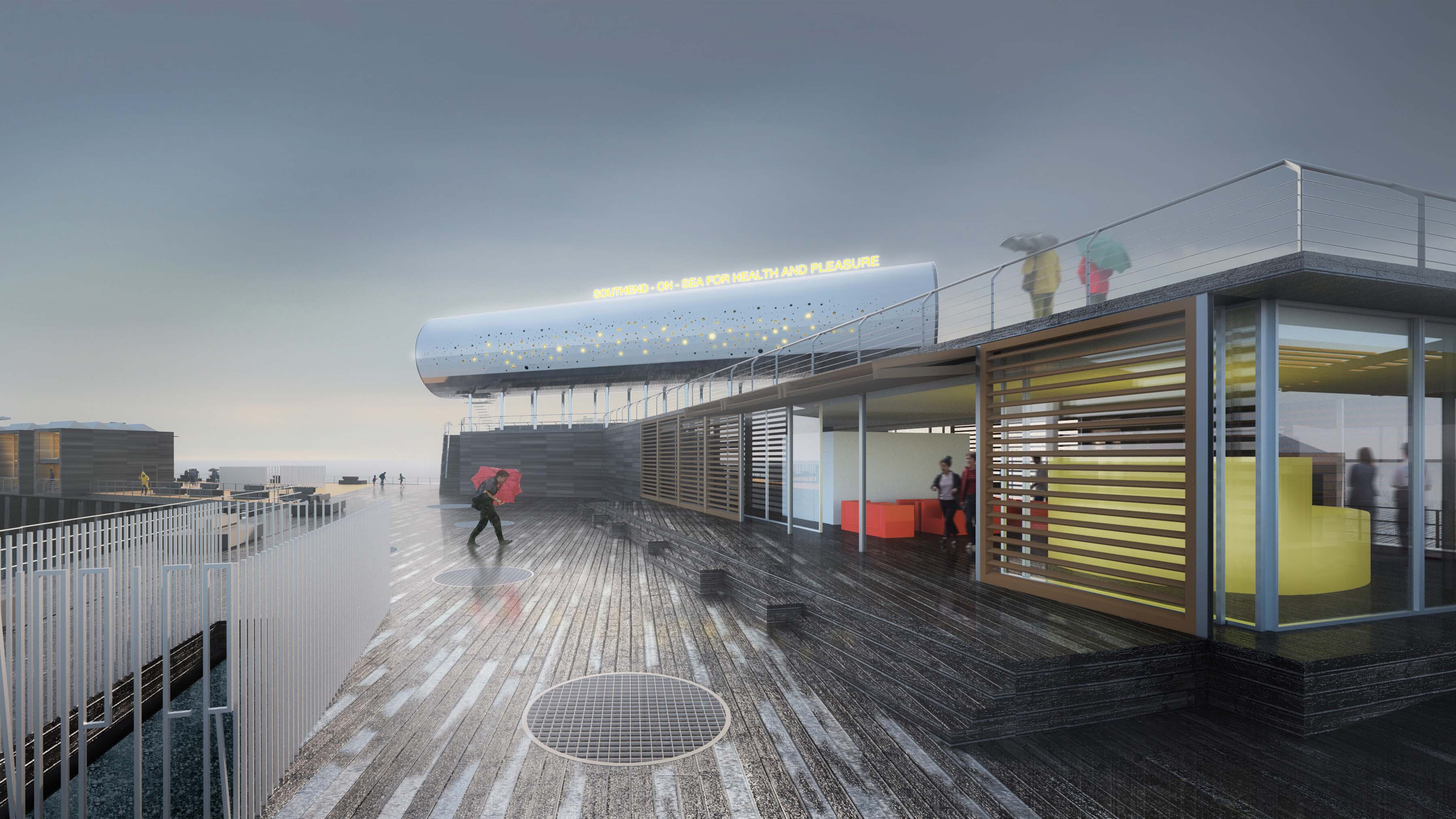
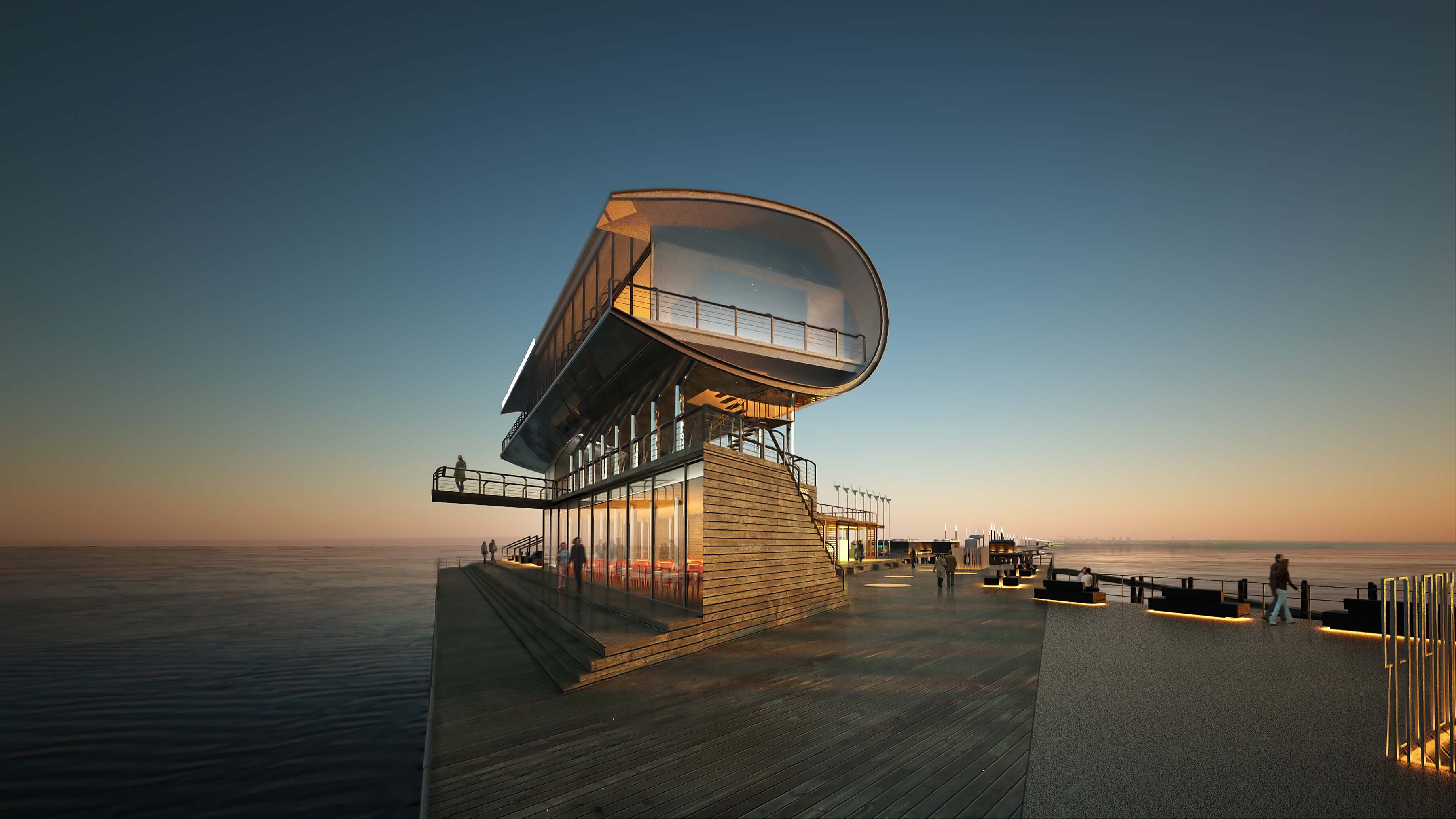
The pier head offers a blank canvas for a dynamic venue where people can take part in an ever-changing cycle of events, designed to suit all ages and interests. A modular design has been developed to suit this approach and enable construction within a short time frame. Timber clad modules are used to define a sequence of places. The spatial layout of these modules provides a balance between shelter and space. Views in and out of the new modules are carefully framed and aligned to local and distant landmarks. The deck itself is conceived as the landscape that glues together the family of buildings. A new cultural facility provides the focal point at the end of the main axis but it is not conceived as the sole raison d’etre of the project. Instead this is the mother ship of the new activity-based cultural offer, which supports and feeds the range of satellite activities dotted around the landscape. A curved culture craft, softly illuminated at night, hovers above the rectilinear forms of the modules and, through its contrasting design, creates a new cultural identity at the end of the pier. |
|
|
|
|
|
|
|
|
|
|
|
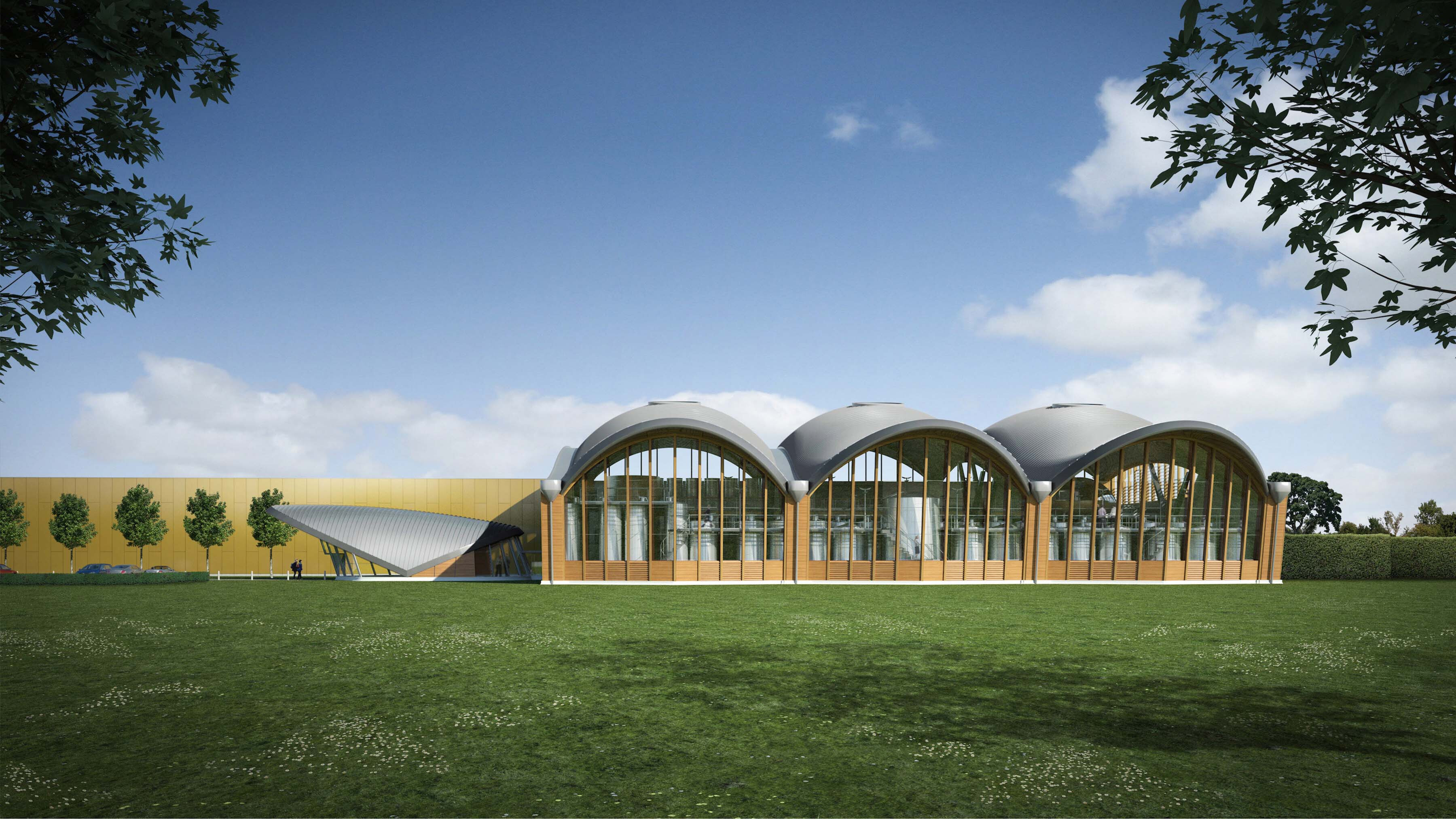
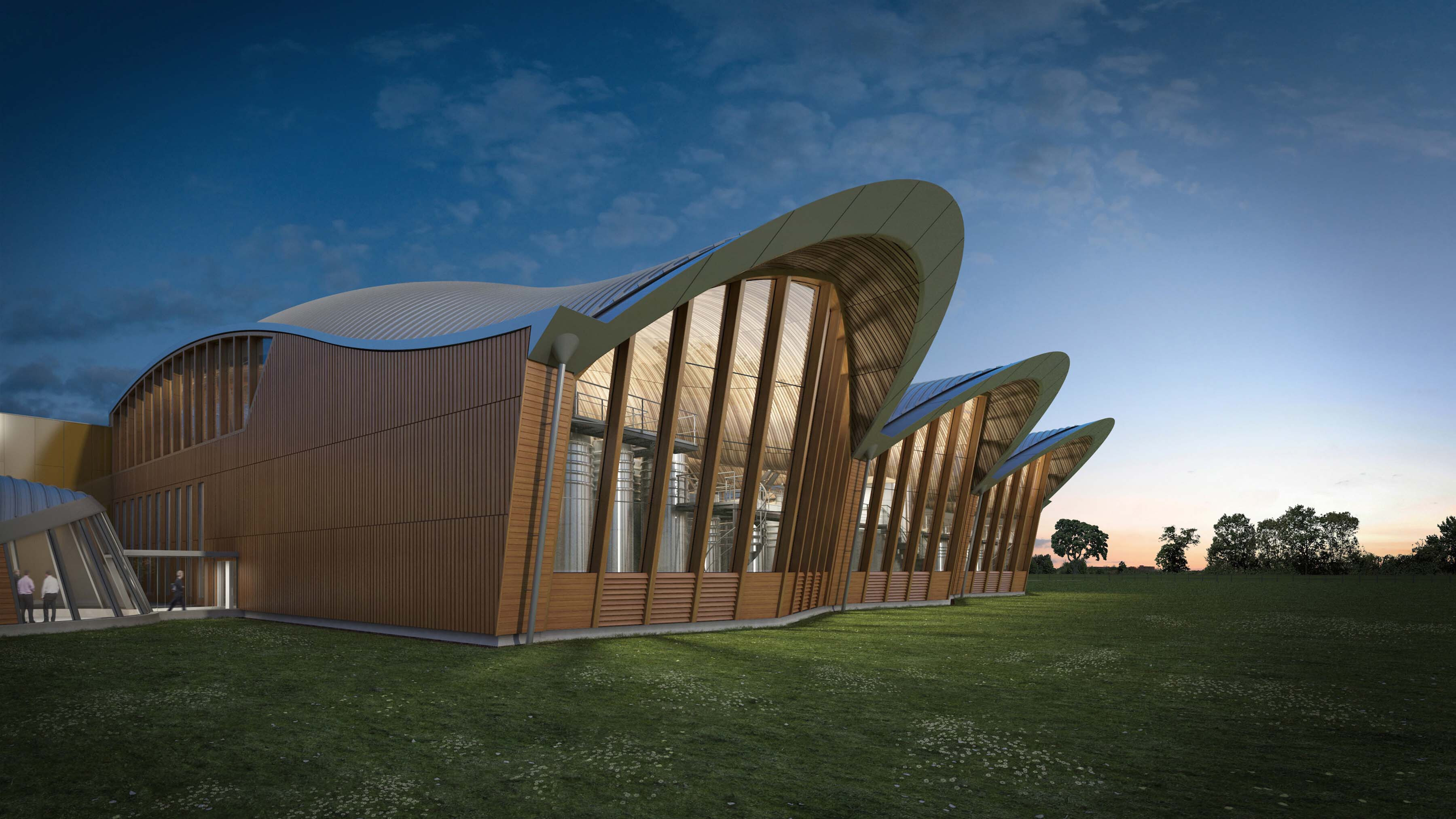
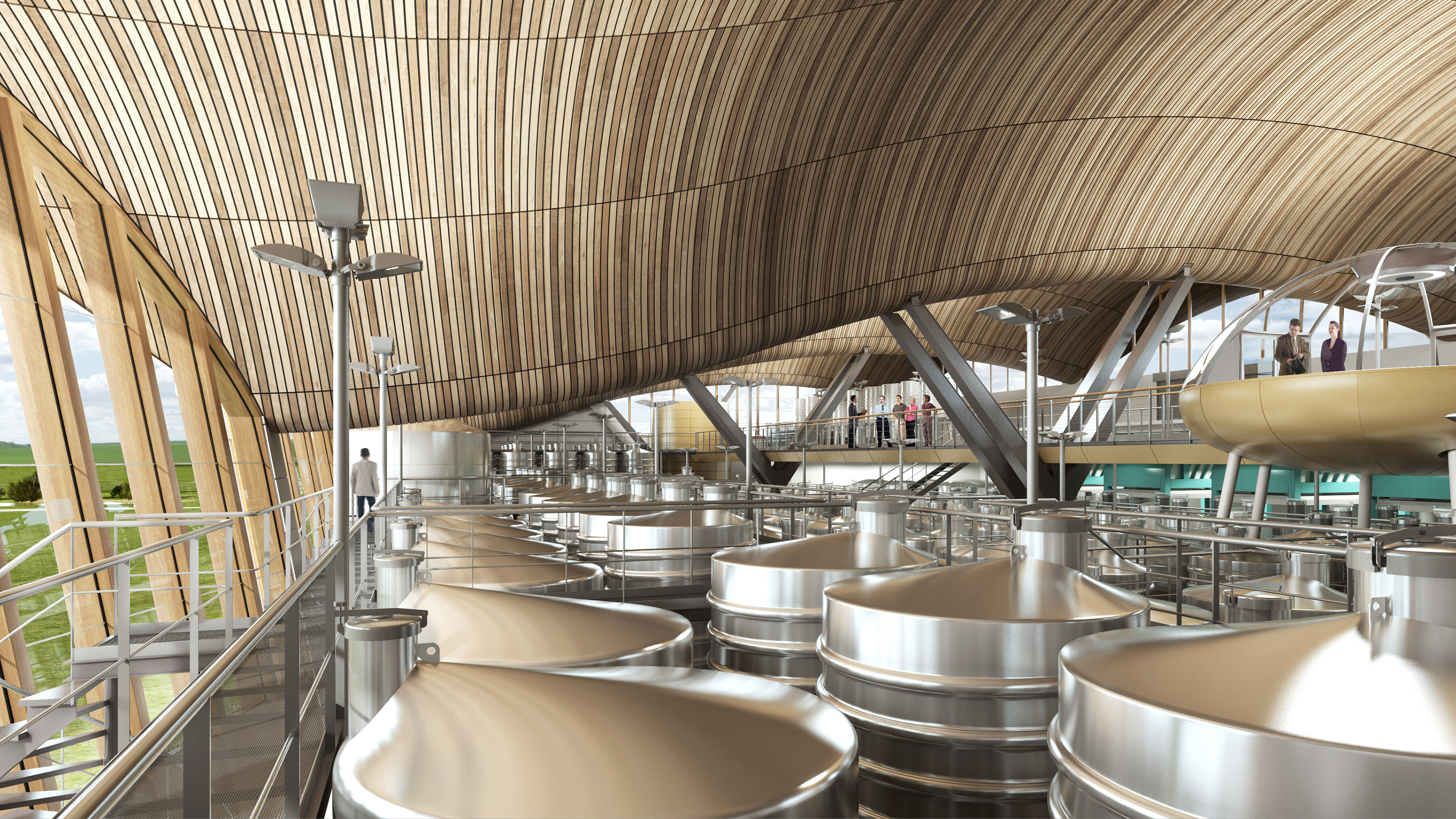
This highly sustainable building has been designed for Nyetimber, who pioneered the production of sparkling wine in the UK. Presses, settling, fermentation and blending tanks are placed in a dramatic hall composed of three 35m spanning timber clad double-curved roof bays. Since 2005 the Vineyard has embarked on a rapid expansion program to keep up with the ever-increasing demand for their wines. From an original 35 acres, producing 50,000 bottles a year, the estate has grown to 300 acres under vine. In our designs the grape receiving yard and the presses are located on a mezzanine 6m above the tank hall to allow juice to fall into settling tanks under gravity, maximizing quality of the end product. Within the striking production hall, visitors can view the tanks from an elevated walkway, which ends in a dramatic glass tasting pod. Storage and finishing areas are housed in a simple steel framed area which maximises flexibility of layout and minimizes cost while ensuring appropriate environmental conditions for storing, disgorging and packing of the wine. |
|
|
|
|
|
British Film Institute Storage
|
|
|
|
|
|
|
|
|
|
|
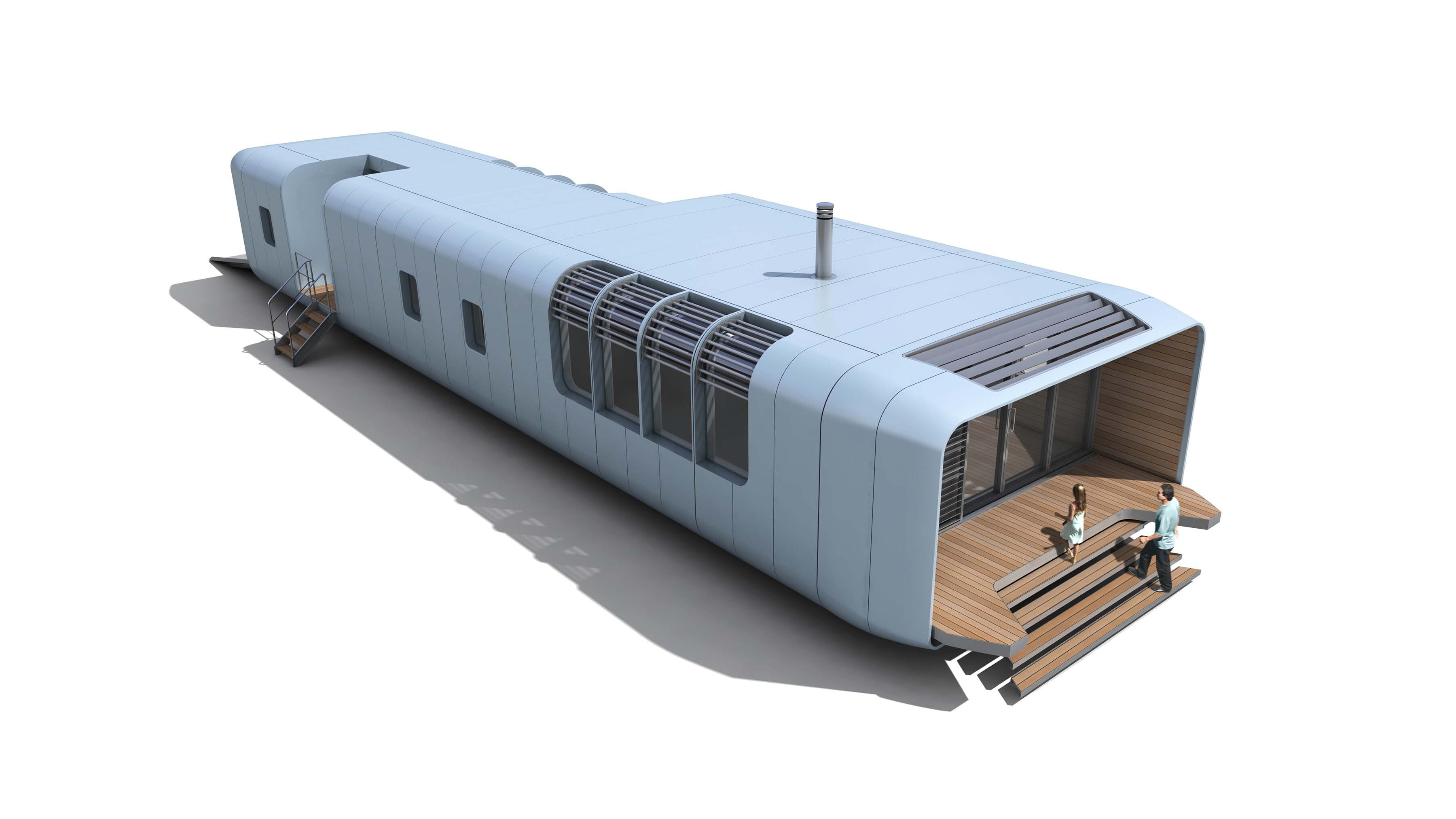
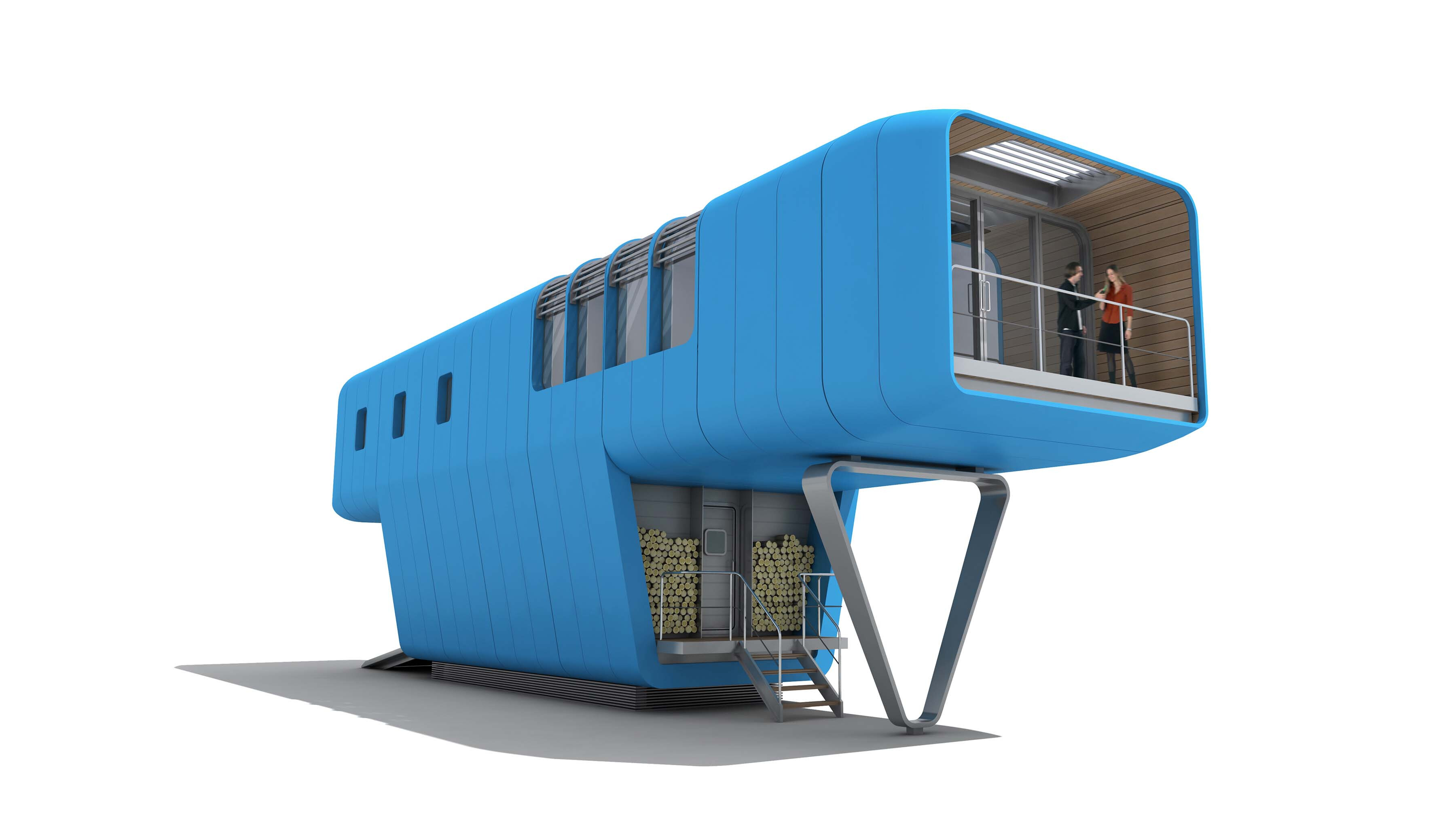
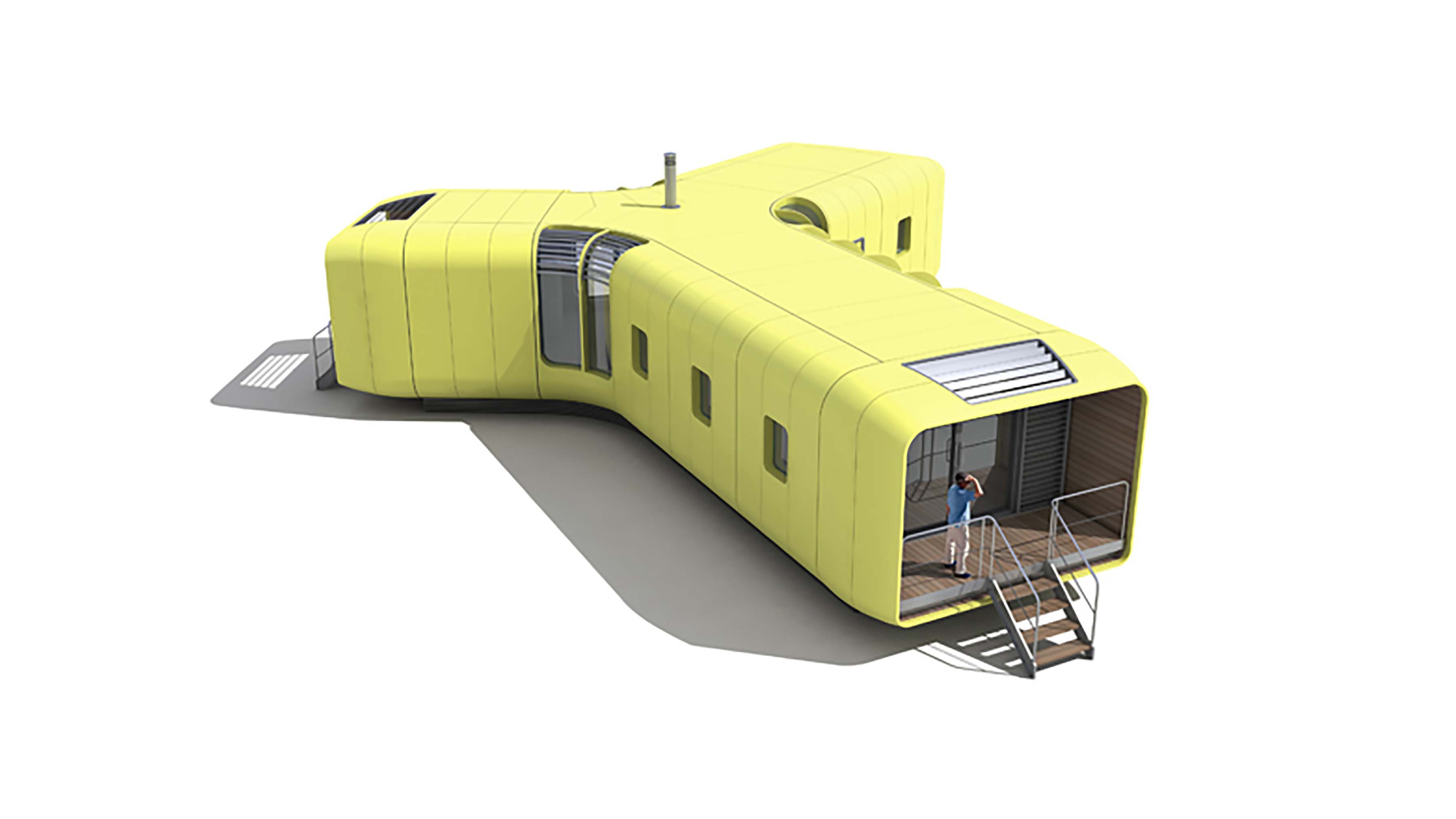
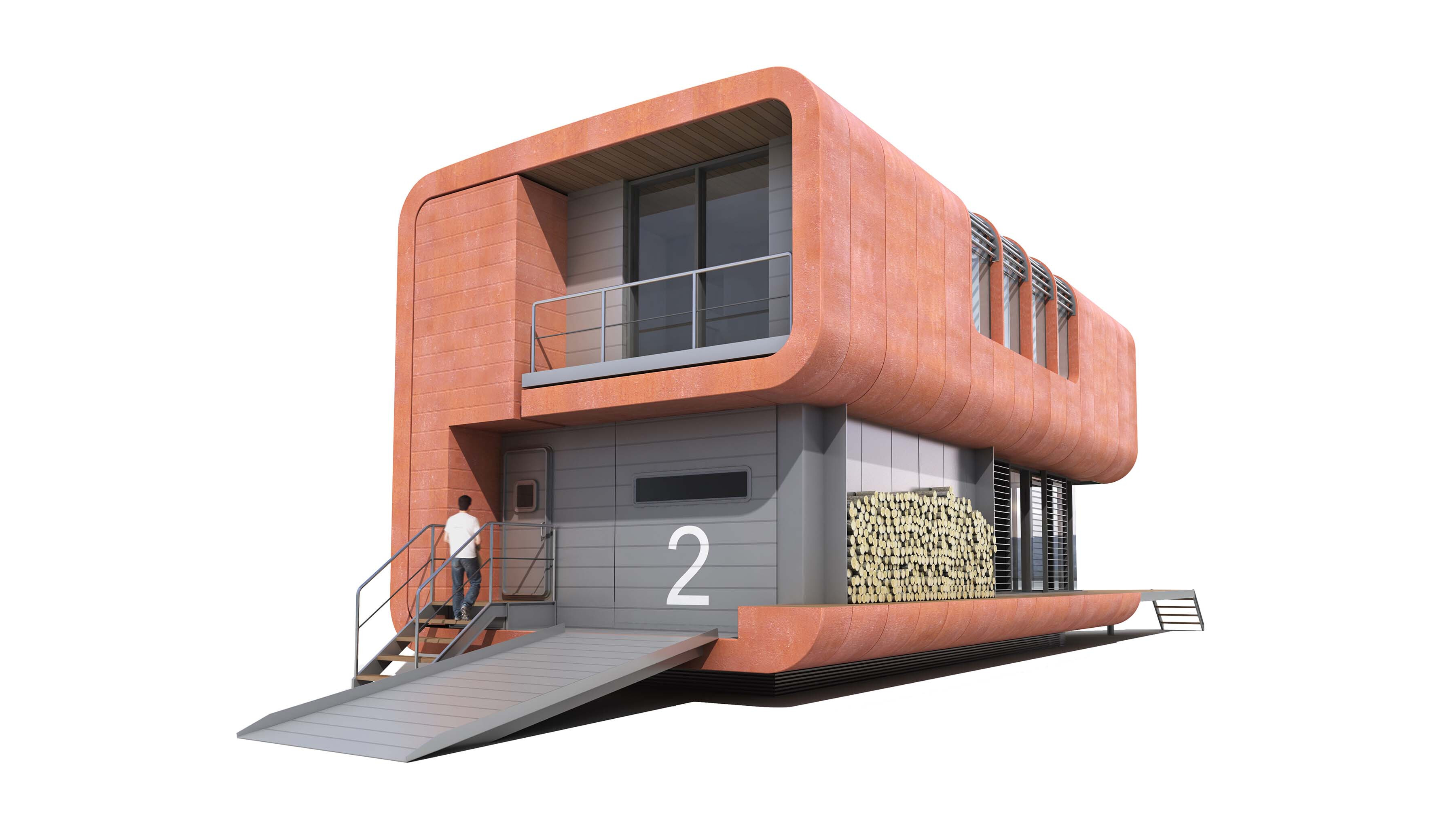
Hugh Broughton Architects were chosen as one of 12 finalists in the international Living Steel competition to develop innovative housing concepts for steelworkers in northern Russia. The practice was selected from an initial application of over 1,000 firms from around the world. Drawing heavily from the firm’s groundbreaking work for extreme environments, the proposals explore the application of modular prefabricated components to the mass housing market. The contemporary homes were inspired by some of Russia’s most distinctive domestic architectural features. The open fireplace, at the core of the Russian house, is pivotal, as are the colourful exteriors. The four typologies hover above the ground and respond to different conditions on the site. Accessed by steps as well as ramps, stepping into these homes is akin to entering a spacecraft. The tough exteriors conceal intimate living areas, centred on a fireplace, and while the southern elevation features large windows, those to the south are small in response to the harsh winters. Conceived as a series of coloured steel monocoque coils, configurations can be changed to suit the needs of residents. The rings eliminate the need for a separate frame. Walls, floors and roof act together as the structure and because the interior is free of columns, internal rooms can be easily reconfigured. |
|
|
|
|
|
|
|
|
|
|
|
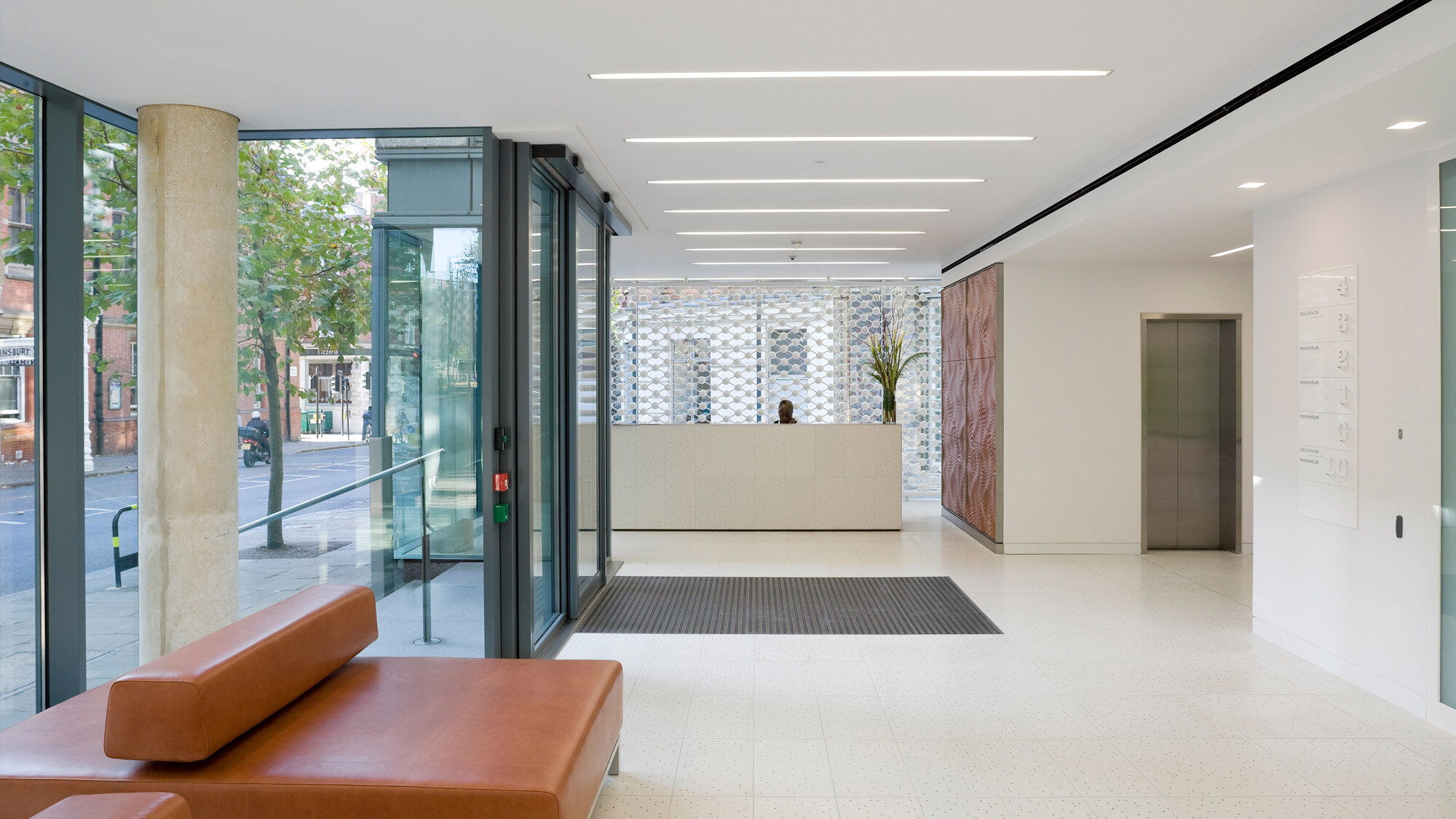
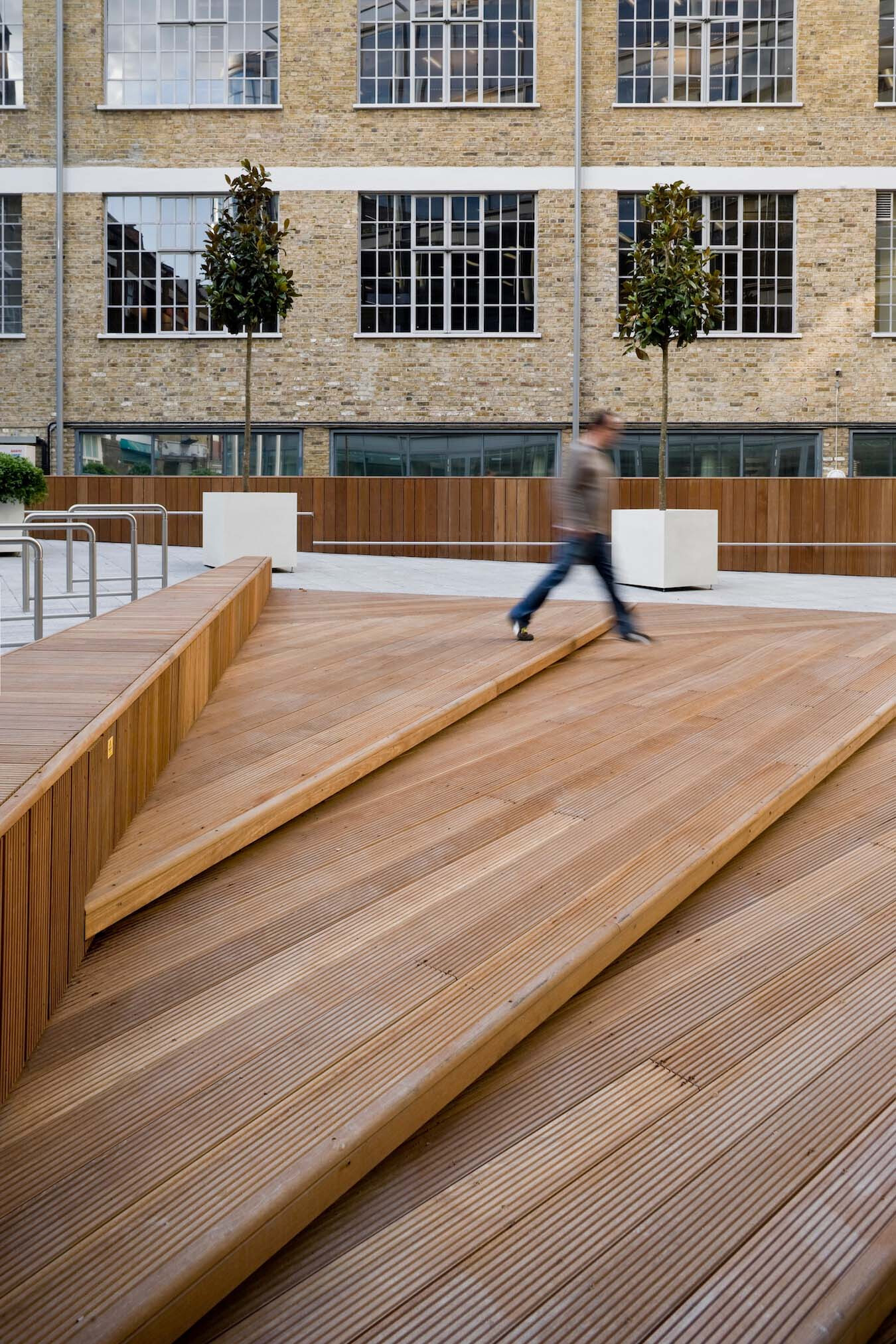
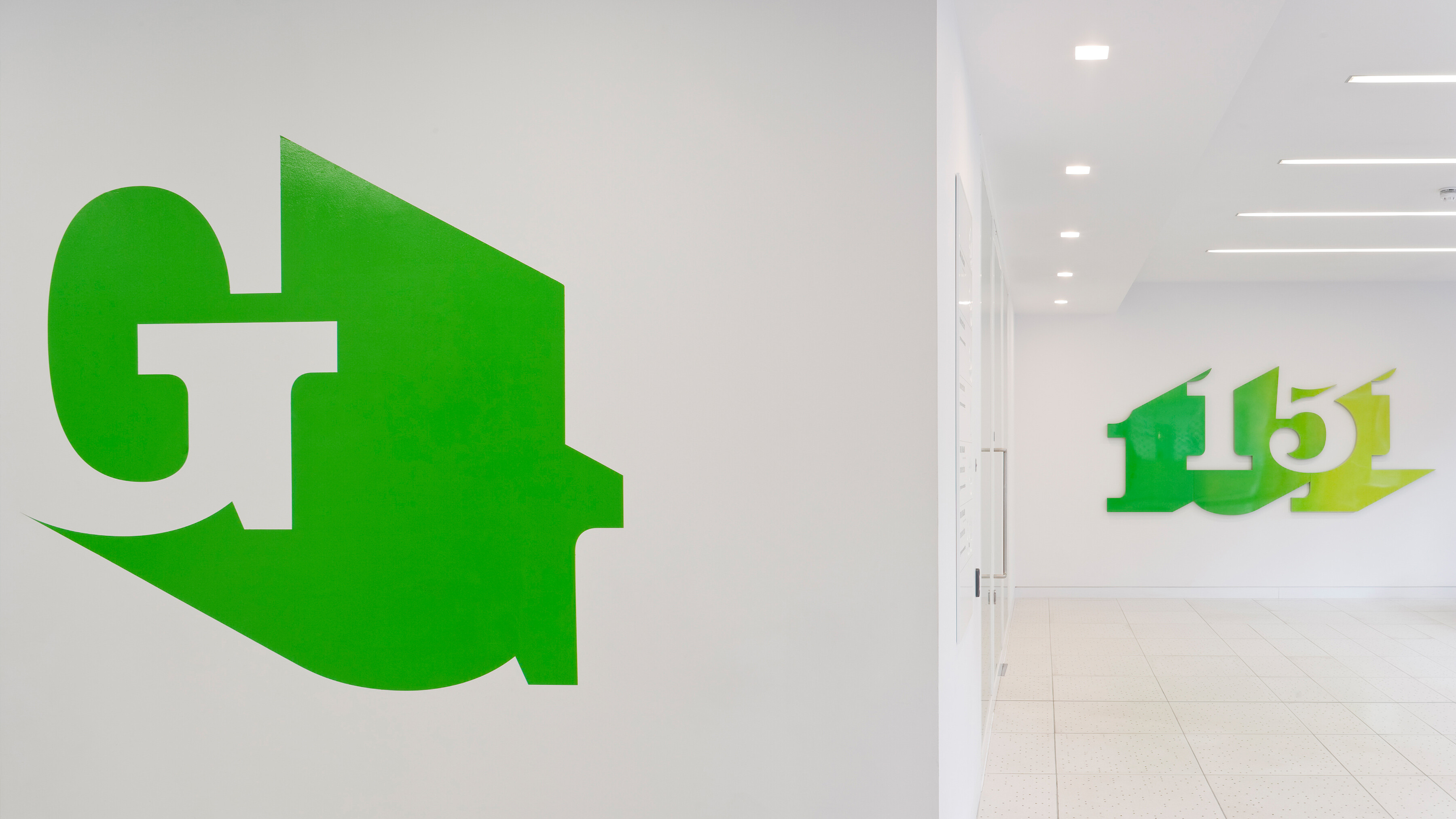
The 3,000 sqm office building, originally completed in 1992, is in the heart of one of London’s most prominent commercial districts. The project was commissioned by Derwent London, one of the capital’s most creative developers. The ground floor has been extended to increase net lettable area. Common parts and toilets have been modernised and the office floor plates have been fully refurbished. The courtyard to the rear of the building has been upgraded with fewer car parking spaces, increasing the provision of bike stands and enhancing the outdoor space as an amenity for office workers. Key design features of the project include a terrazzo floor in the reception area which is interwoven with strands of fibre optic which flicker as you walk across; leather clad computer-cut panels within the reception and in the refurbished lift cars; a reception screen formed with 528 lacquered spheres held in tension within a steel frame; a brightly coloured 3d graphic signage system developed in collaboration with Cartlidge Levene; and a landscaped courtyard designed in collaboration with Del Buono-Gazerwitz. |
|
|
|
|
|
|
|
|
|
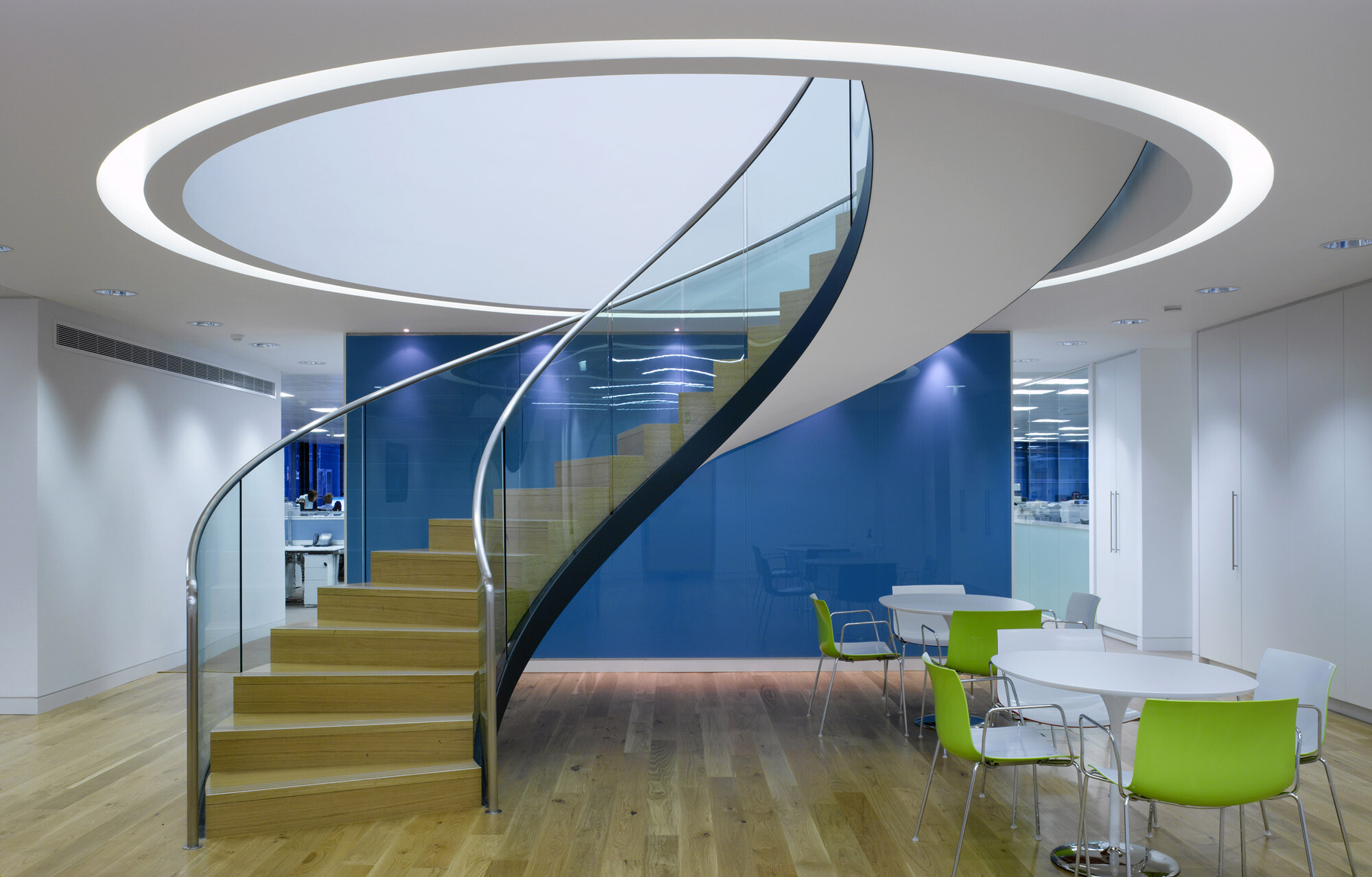
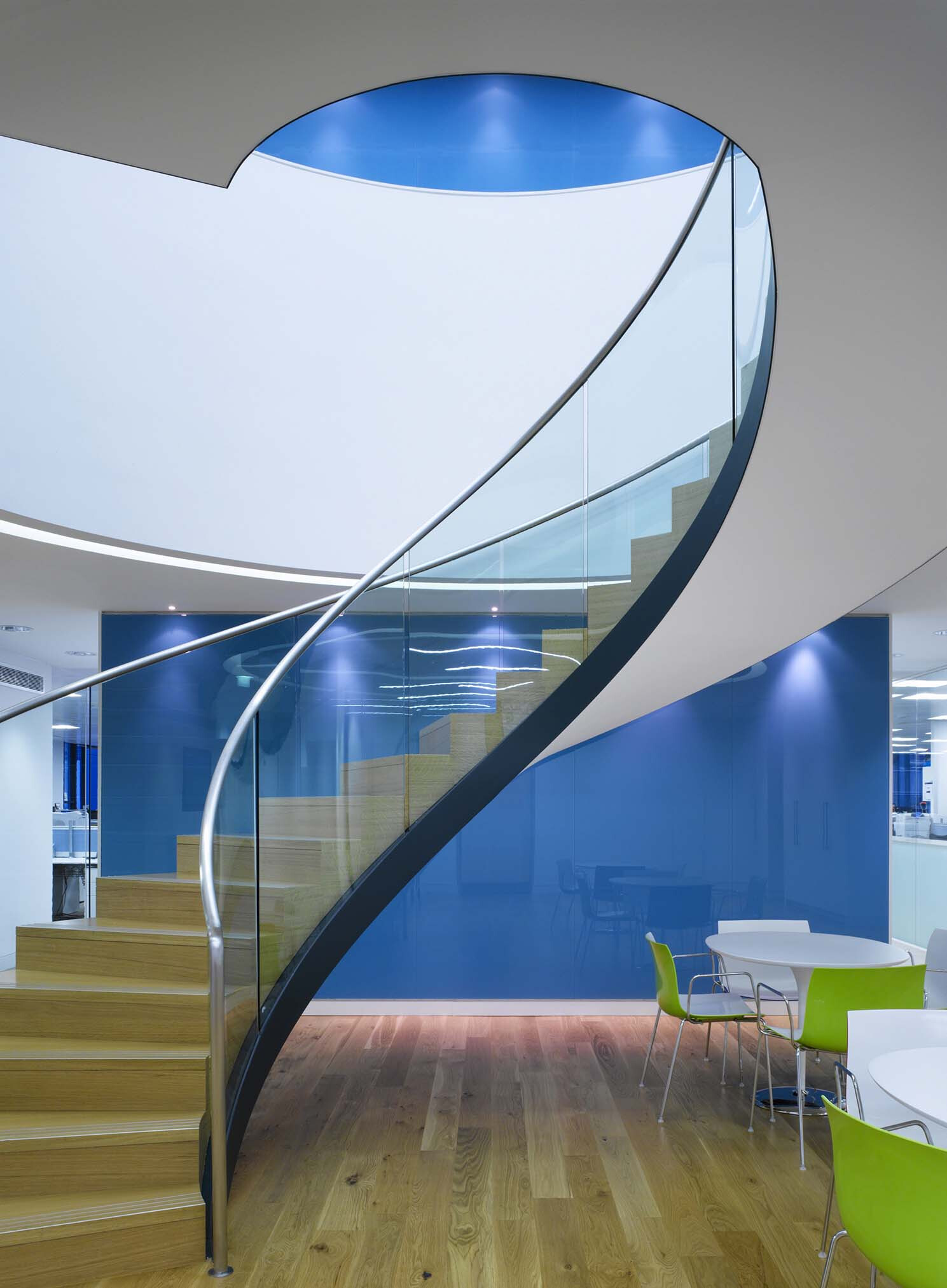
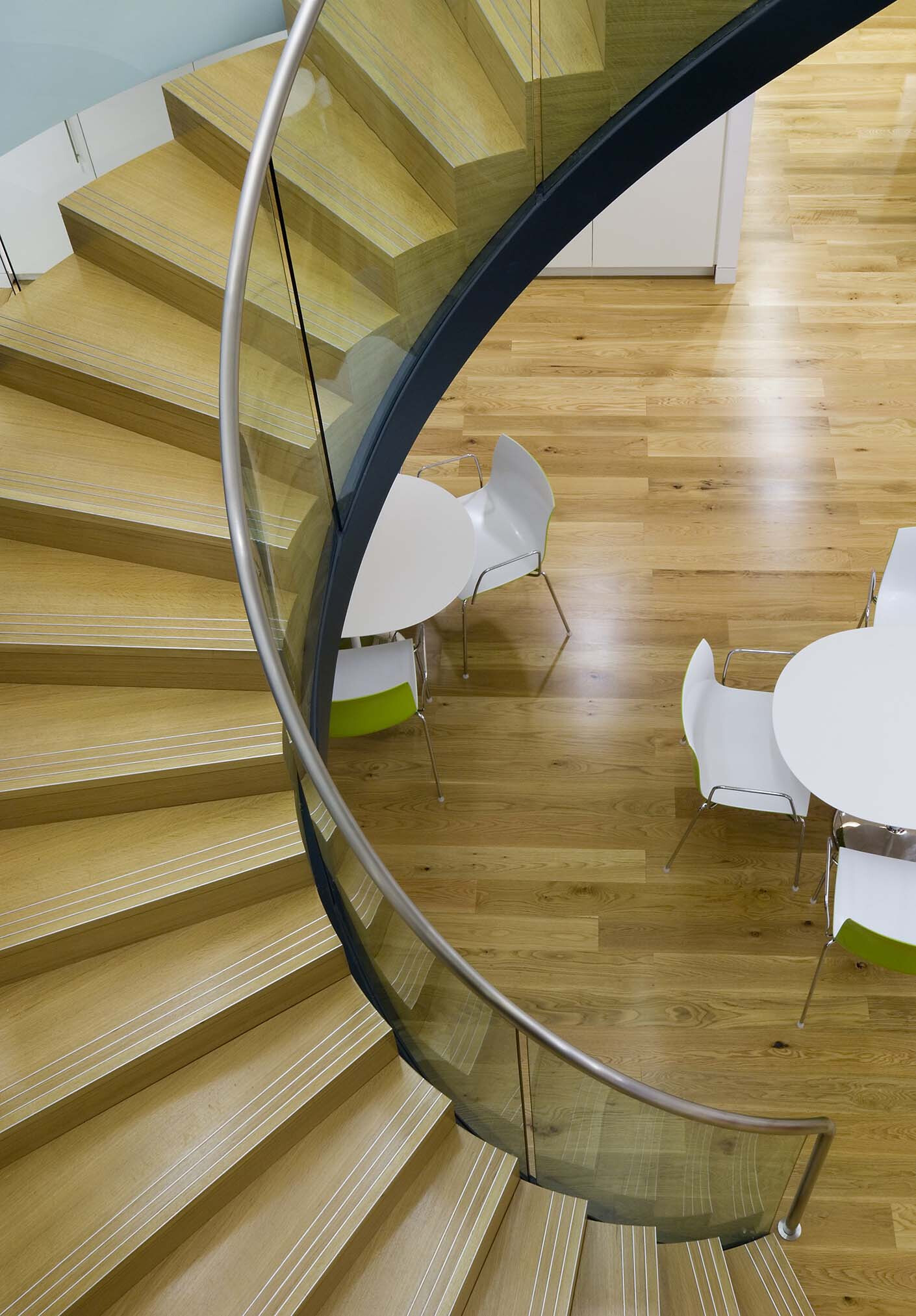
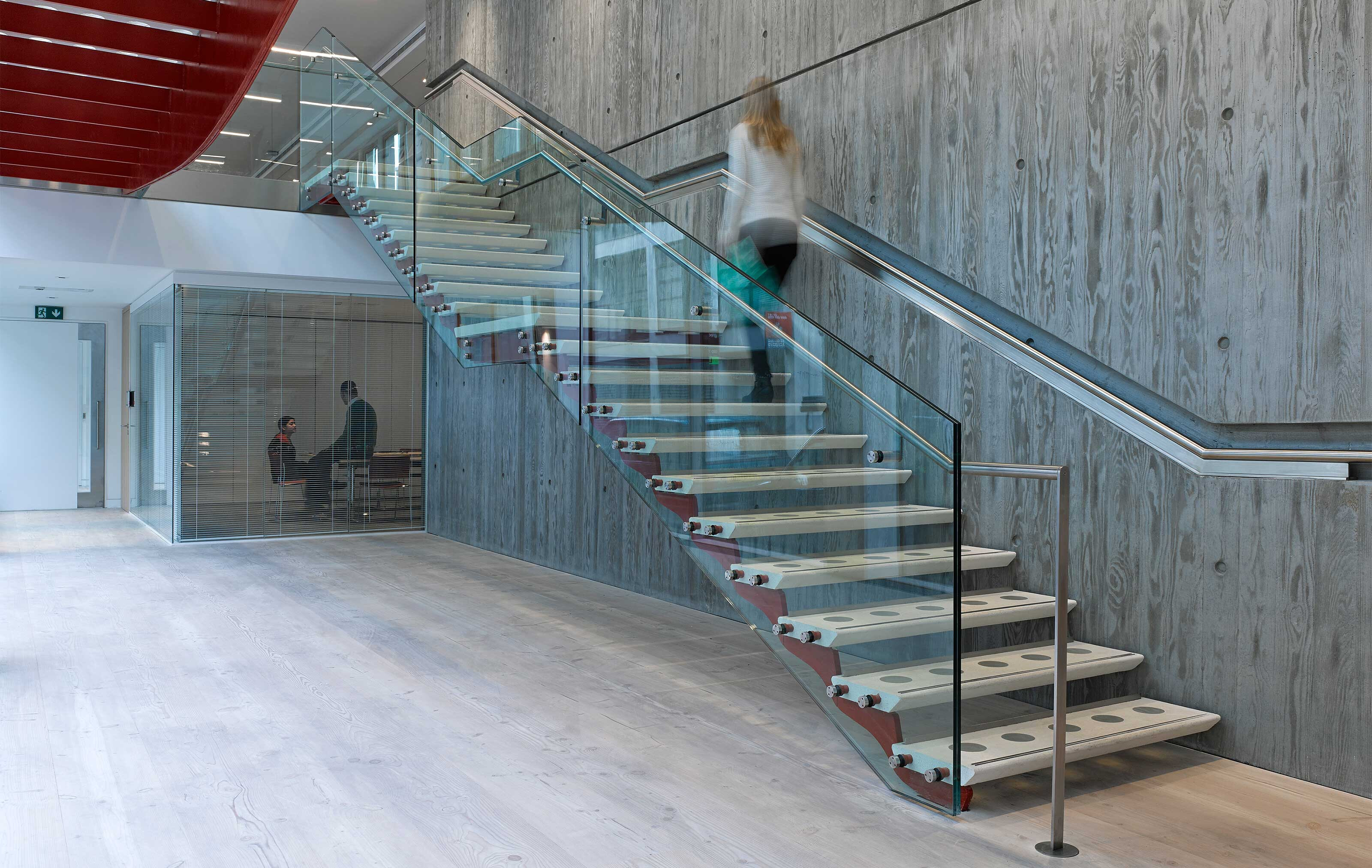
Hugh Broughton Architects were appointed after a limited design competition to redesign the offices of Close Brothers Corporate Finance on the second and third floors of the group’s headquarters in the City of London. The design focused on the creation of a new sculptural staircase to provide a direct link between the two floors with a central hub area on each floor for staff to meet, relax, eat and interact. As well as open plan work space for 100 staff, the scheme included meeting rooms, conference facilities, kitchens, print rooms and an archive registry. During construction, space for decanting staff out of the work area was very limited. Noise disturbance, security and staff safety were also critical. The work, including cutting a 4.5m diameter hole into the reinforced concrete floor slab, had to be carefully phased to ensure that staff could continue working as normal throughout the construction period. Our work at Close Brothers, demonstrates our ability to realise an ambitious design concept within an occupied building, where the business operates around the clock and is extremely sensitive to disturbance and disruption. |
|
|
|
|
|
|
|
|
|
|
|
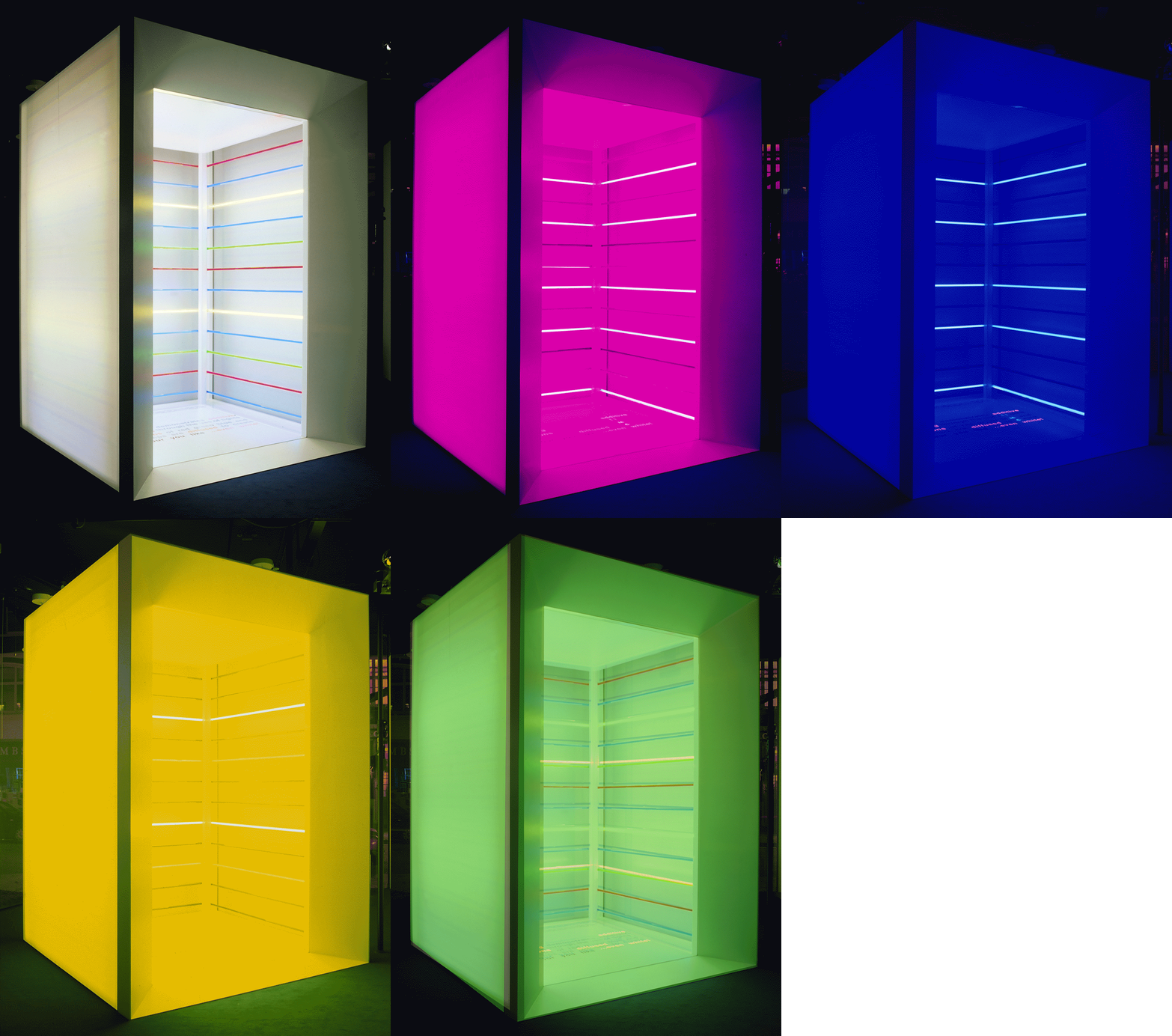
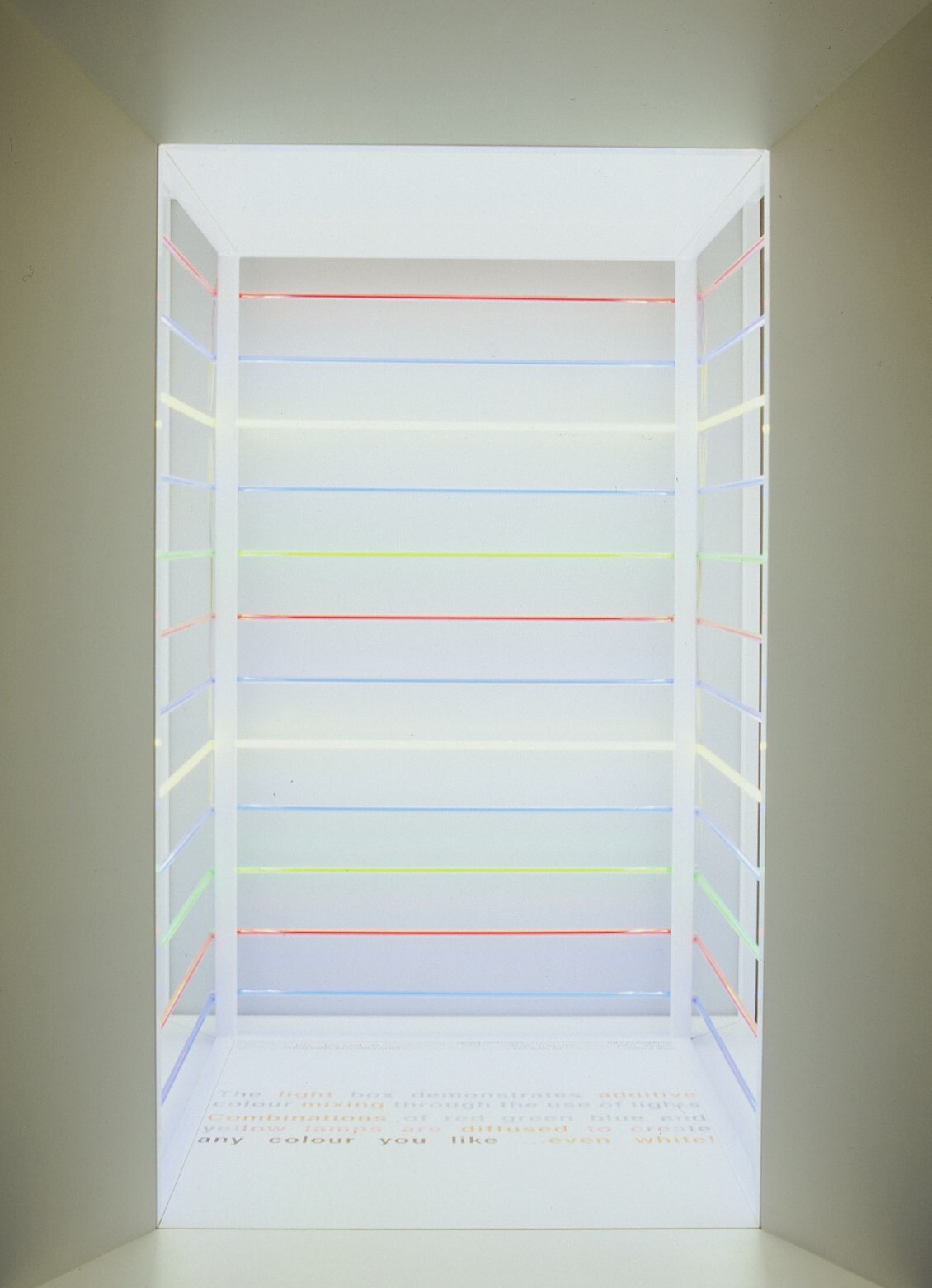
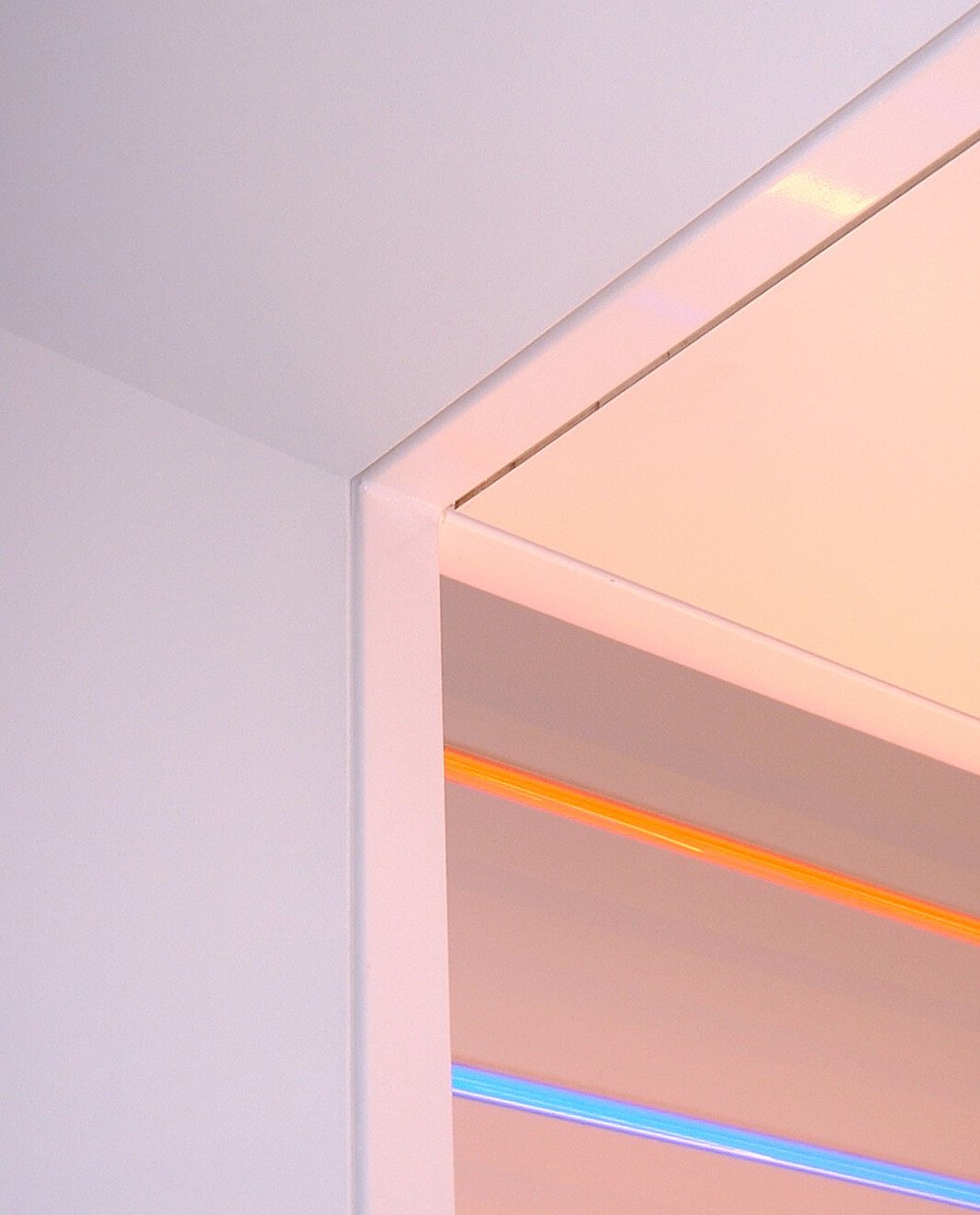
The Light Box created for the Building Centre shows various combinations of red, green, blue and yellow lamps diffused by an external membrane to create a series of primary, secondary and tertiary colours. When all the lamps are on, the colours combine to produce white.
This demonstrates the importance of additive colour mixing through the traditional use of paint pigments. The interior of the box is open to reveal the combinations of lamps employed to produce a particular hue. Lamps are controlled to vary the colour of the external membrane through a repeated sequence. The changing colours and the speed of animation have a dramatic effect on the space around it. This is useful in multi-functional environments, which can be transformed from calm, white space in the day to bright animated and dynamic space at night.
All the components and workmanship necessary to create the 'Light box' have been generously contributed free of charge by the collaborators. |
|
|
|
|
|
|
|
|
|
|
|
|
|
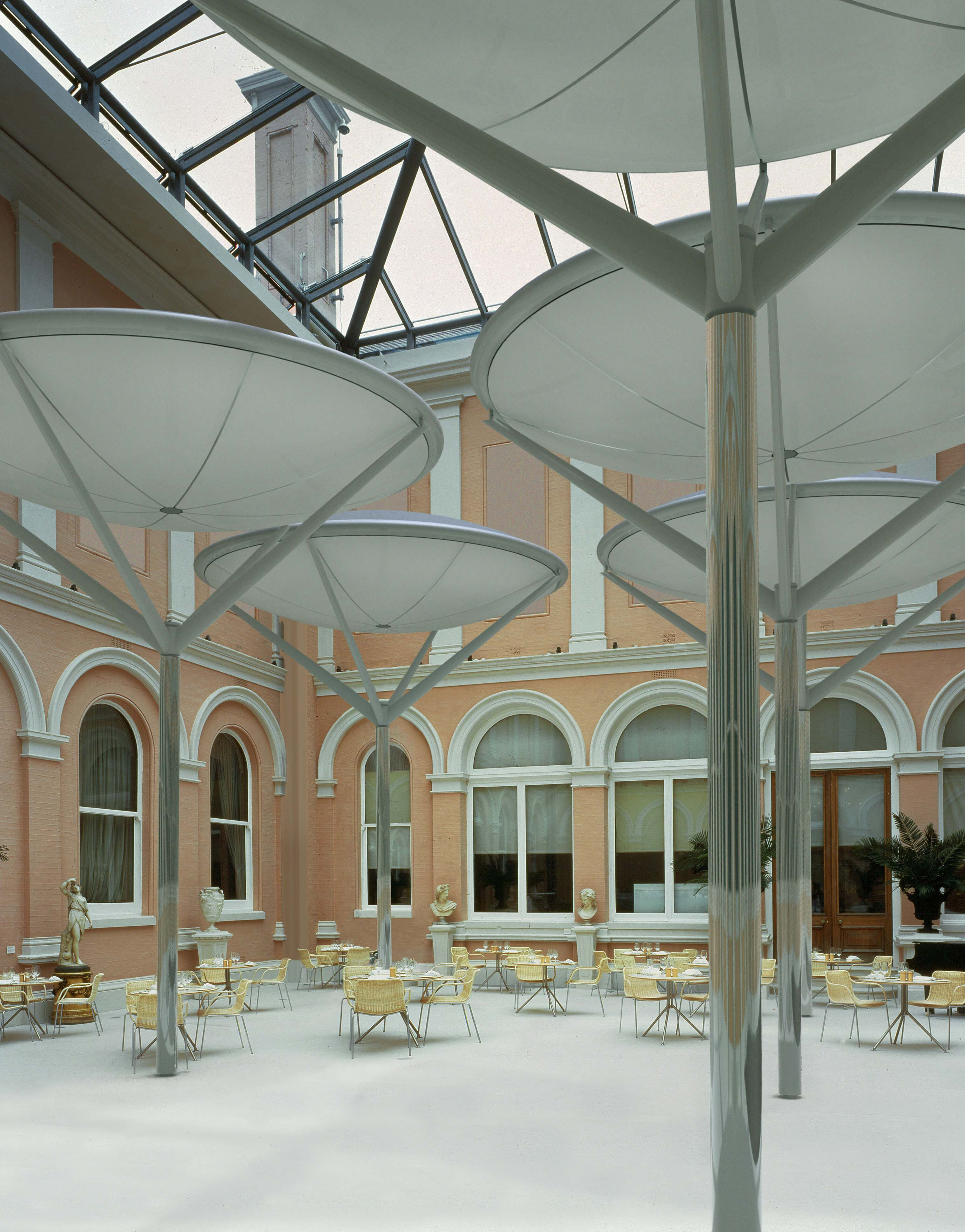
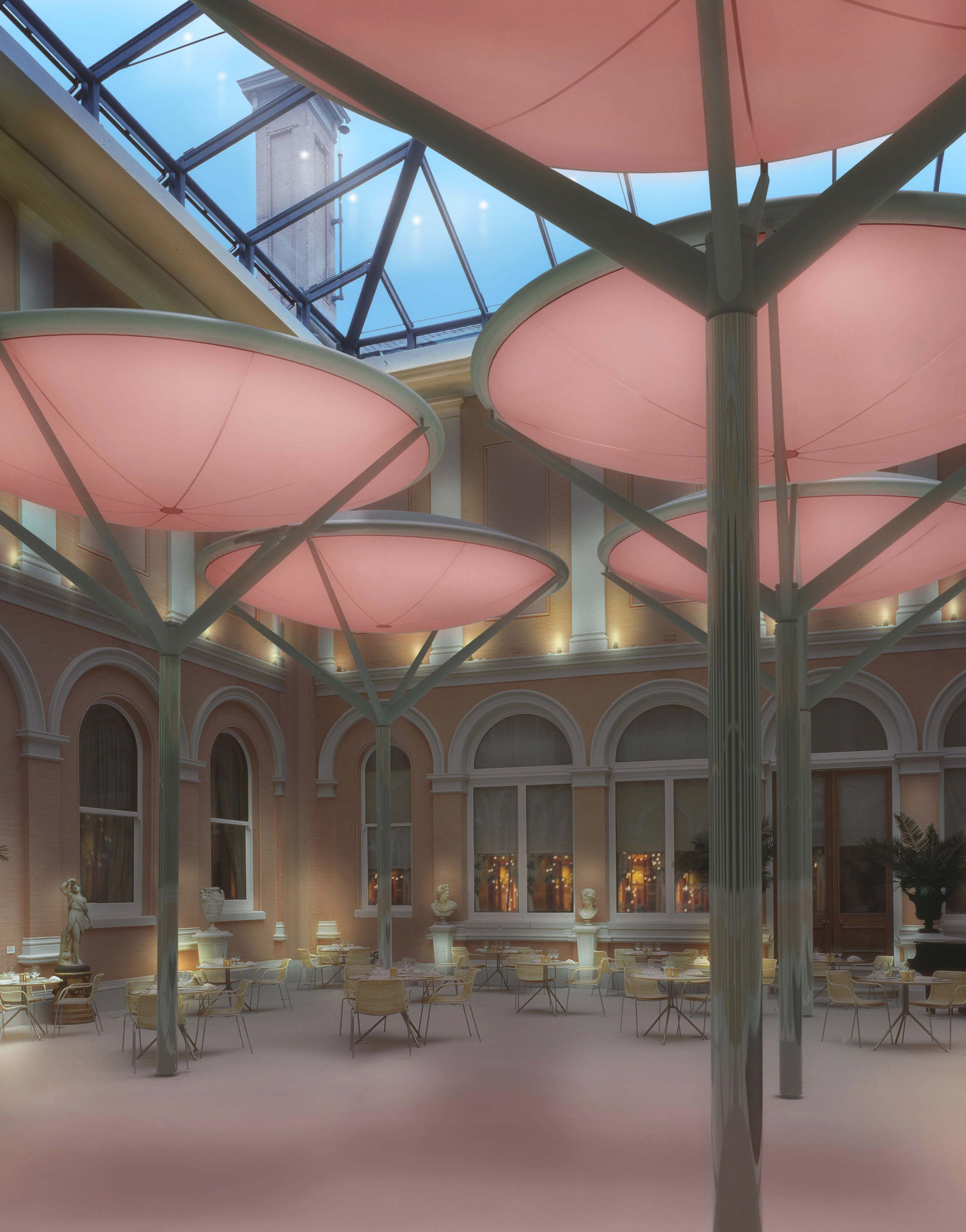
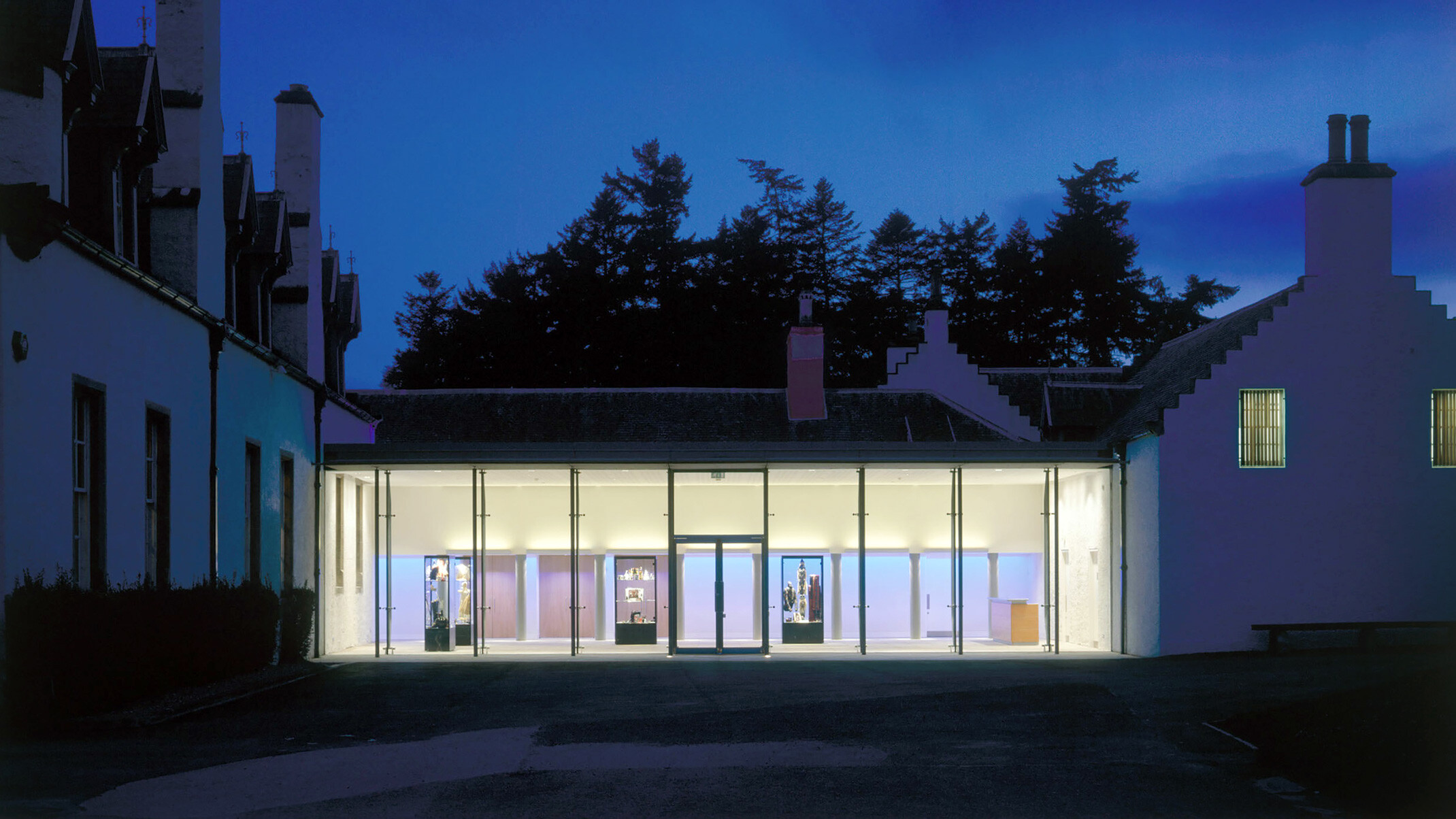
The courtyard at the Wallace Collection was covered with a glazed roof in 2000 as part of the Centenary Project. At the upper / ground level it provides a pleasant and popular terrace restaurant with 75 covers. The terrace is also used for functions accommodating up to 300 guests. A servery / bar is discreetly located in the north west corner of the courtyard. Despite its success, acoustically the courtyard functions below expectations with a long reverberation time causing unacceptable echoes.
In March 2005 Hugh Broughton Architects won a design competition to investigate the extent of the acoustic problems within the courtyard, and introduce measures to improve the acoustics. This is achieved through the introduction of six based fixed canopies incorporating acoustically absorbent material behind a veil of light diffusing fabric. In addition to the acoustic performance of the courtyard, other elements such as task lighting and the relocation of the fountain have been addressed to widen the appeal of the courtyard for evening functions. |
|
|
|
|
|
|
|
|
|
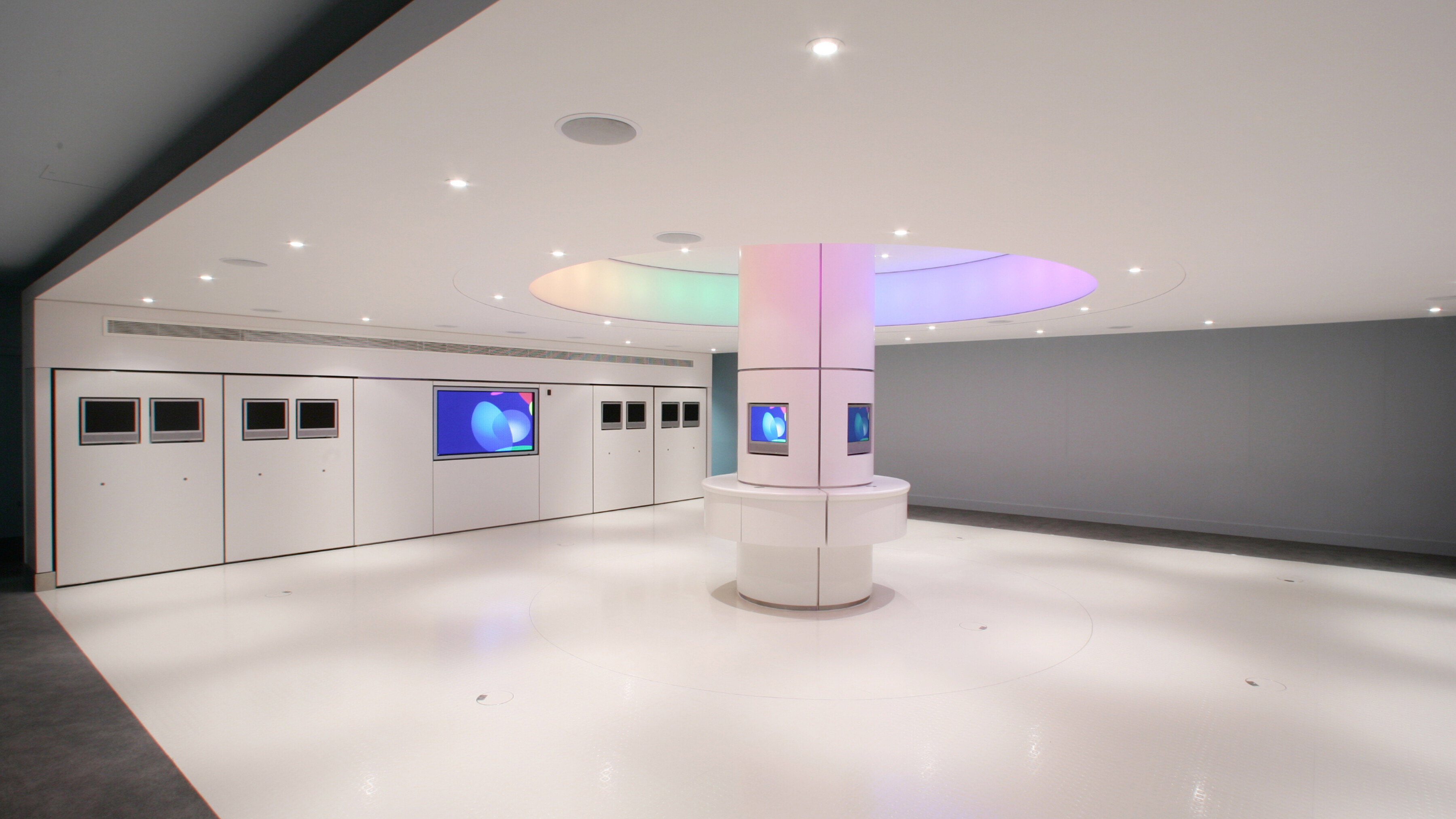
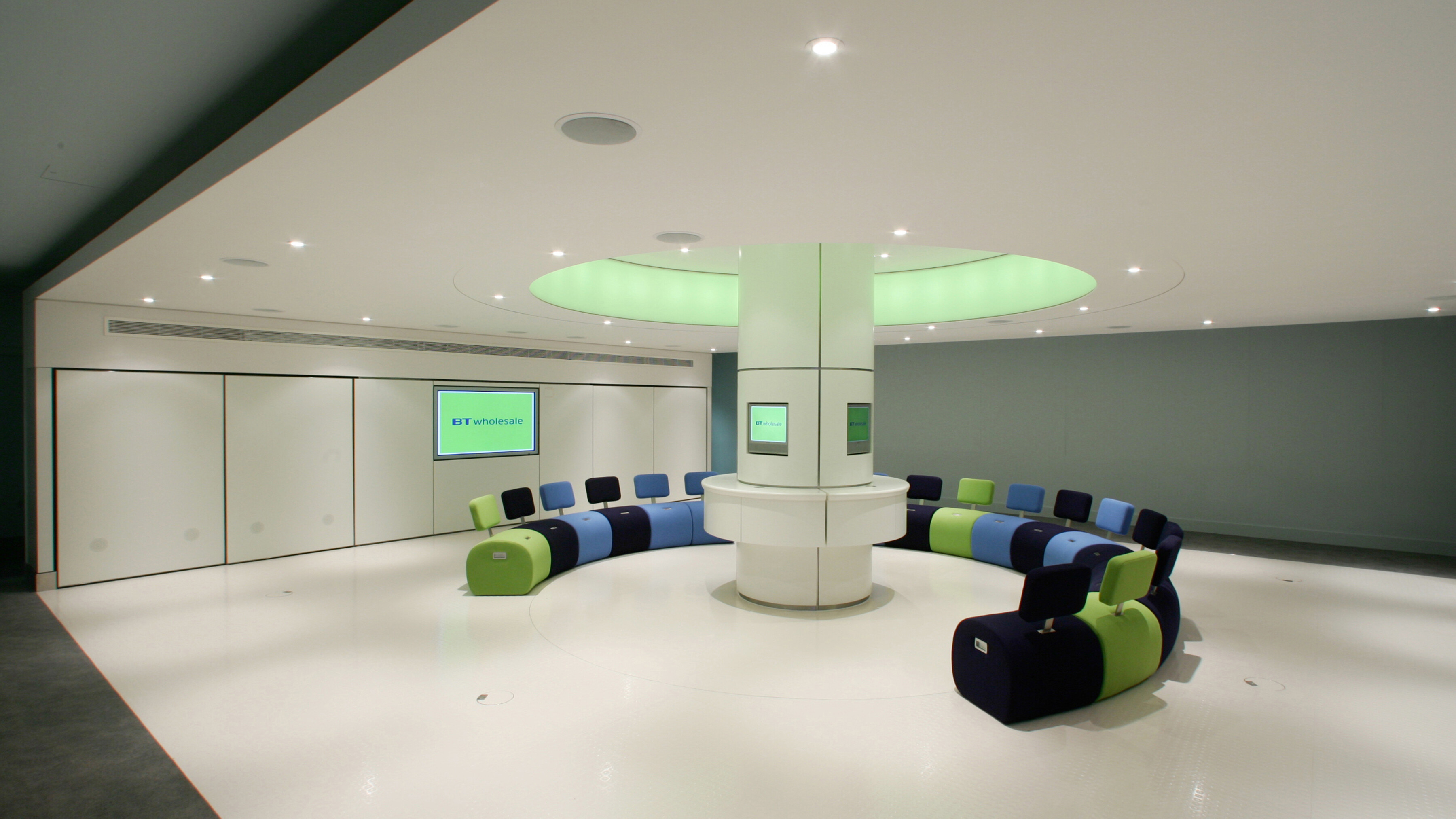
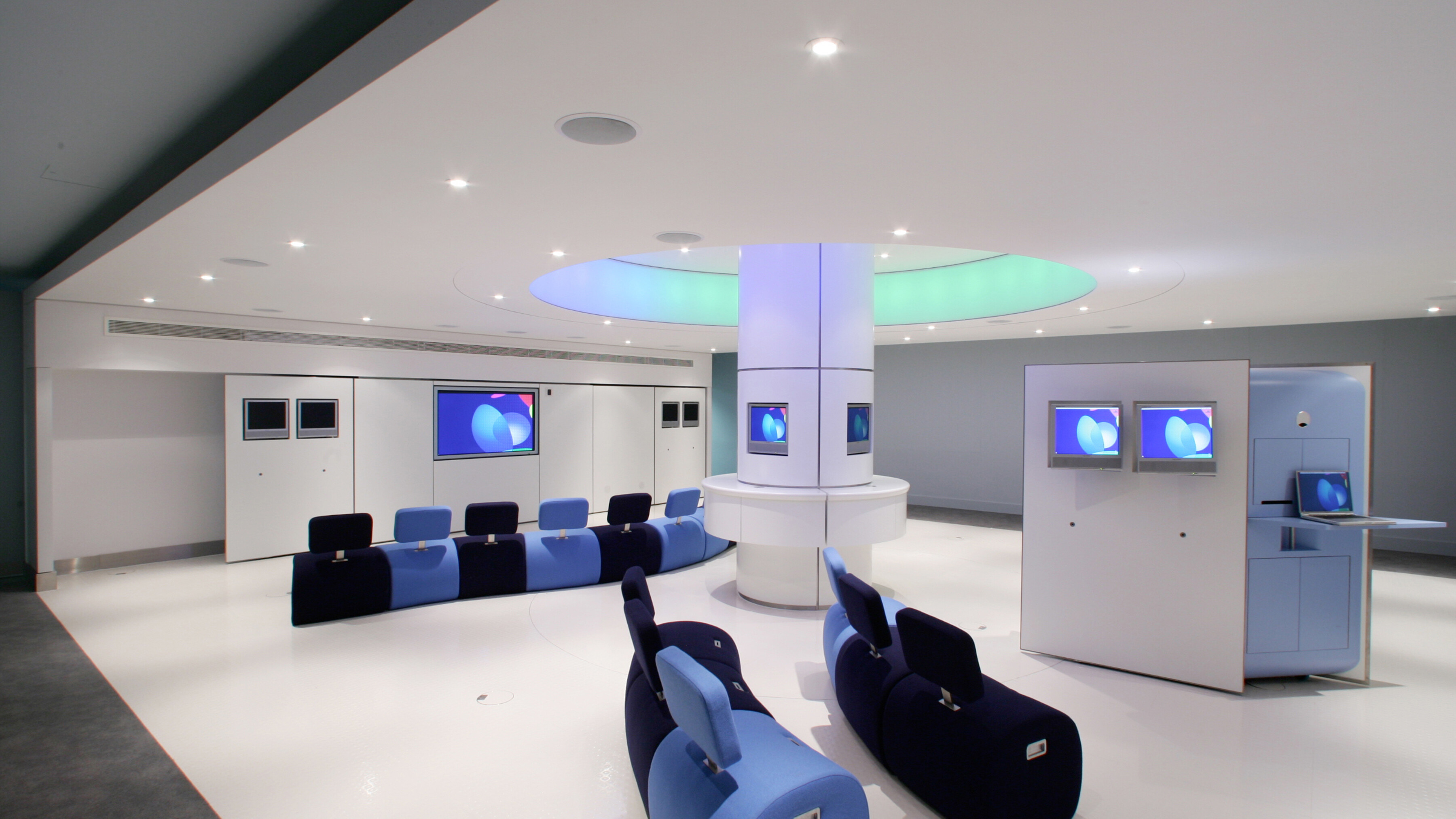
BT Showcase is part of the conversion of Faraday House from a sub-station to the central office of BT Wholesale. The room has been conceived as an animated and highly flexible walk-through experience, designed as a multi-functional “showroom” for the presentation of the latest BT products and technologies to clients and investors. The 150 sqm space is used by various divisions of BT, each having their own brand identity. Colour change has therefore been used to adapt the space to suit the branding of the different divisions. The Showcase is approached via a 15 metre blue lit corridor incorporating a ramp. At the end of the corridor is a glowing arch, which changes colour from BT blue to BT Wholesale green, marking the entrance. In the centre of the room is a presentation area defined by a colour change ring of light above. This can be set to any colour of the BT pallette or animated to gradually and continually change colour in sequence. Purpose made seating can either be arranged around the central column or in front of the wall mounted plasma screen. Four portable demonstration units, equipped with a projector and LCD screens, can be wheeled out into the space from the plasma wall to provide smaller presentation modules. |
|
|
|
|
|
|
|
|
|
|
|
Scottish National Gallery of Modern Art
|
|
|
|
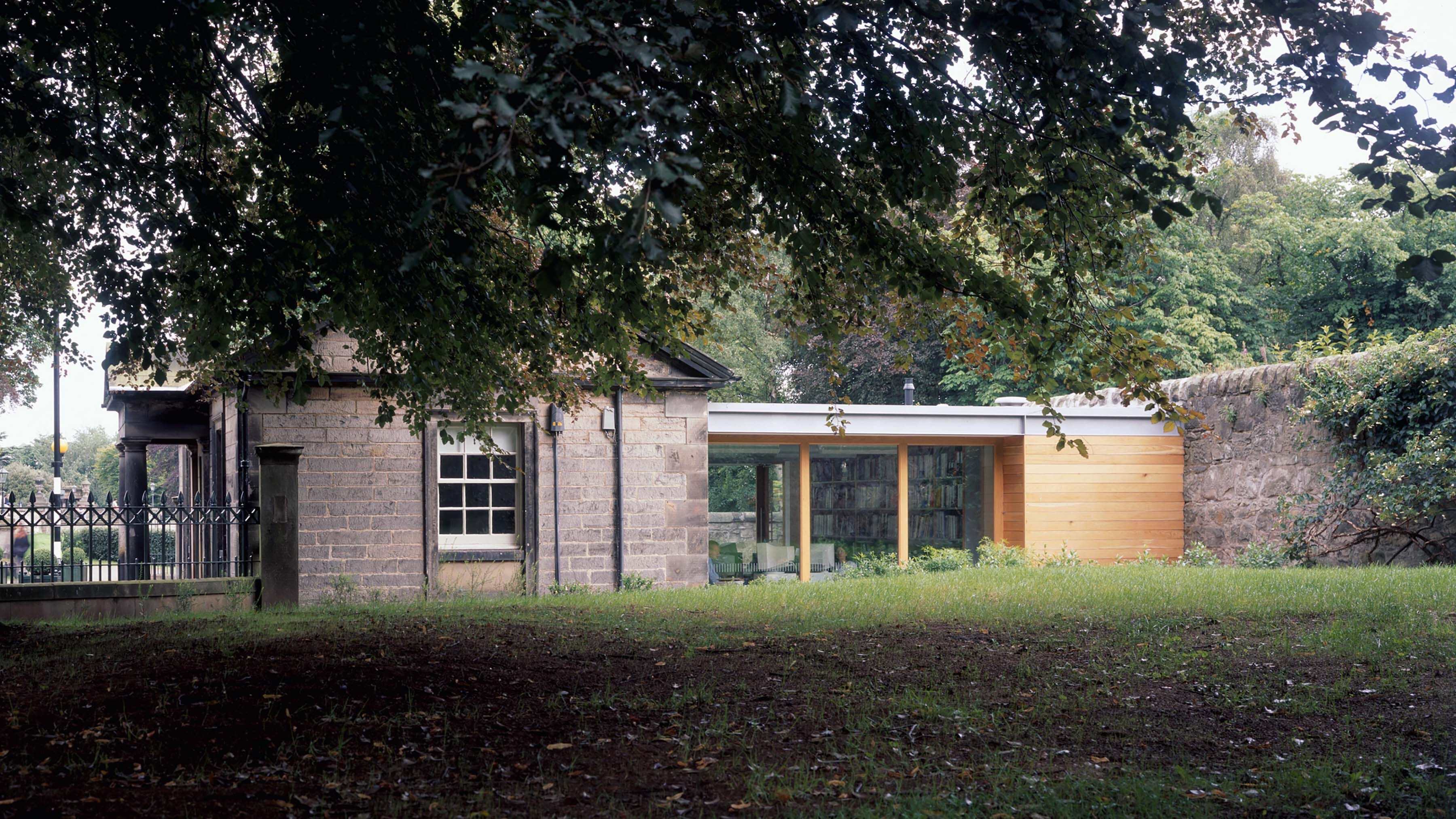
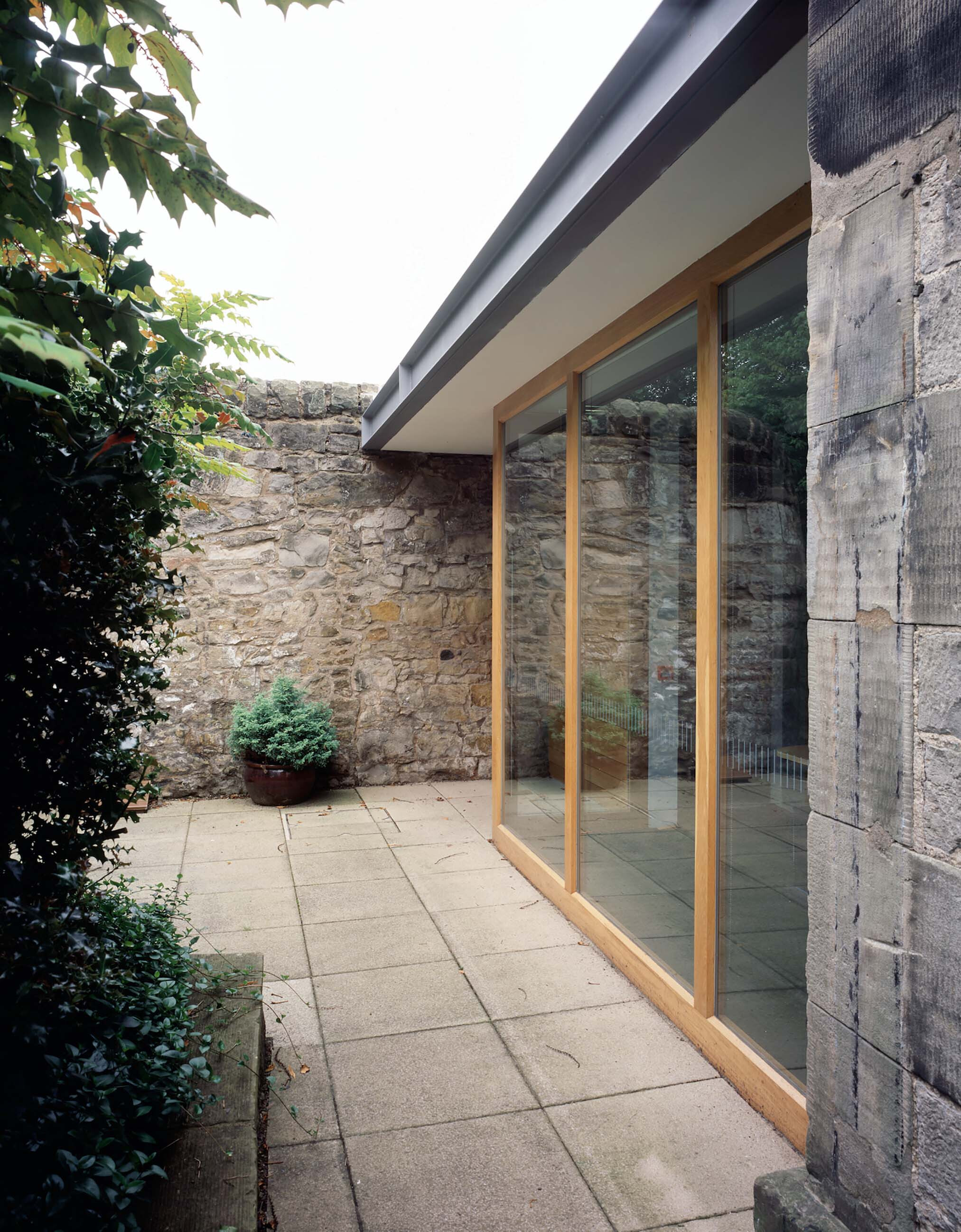
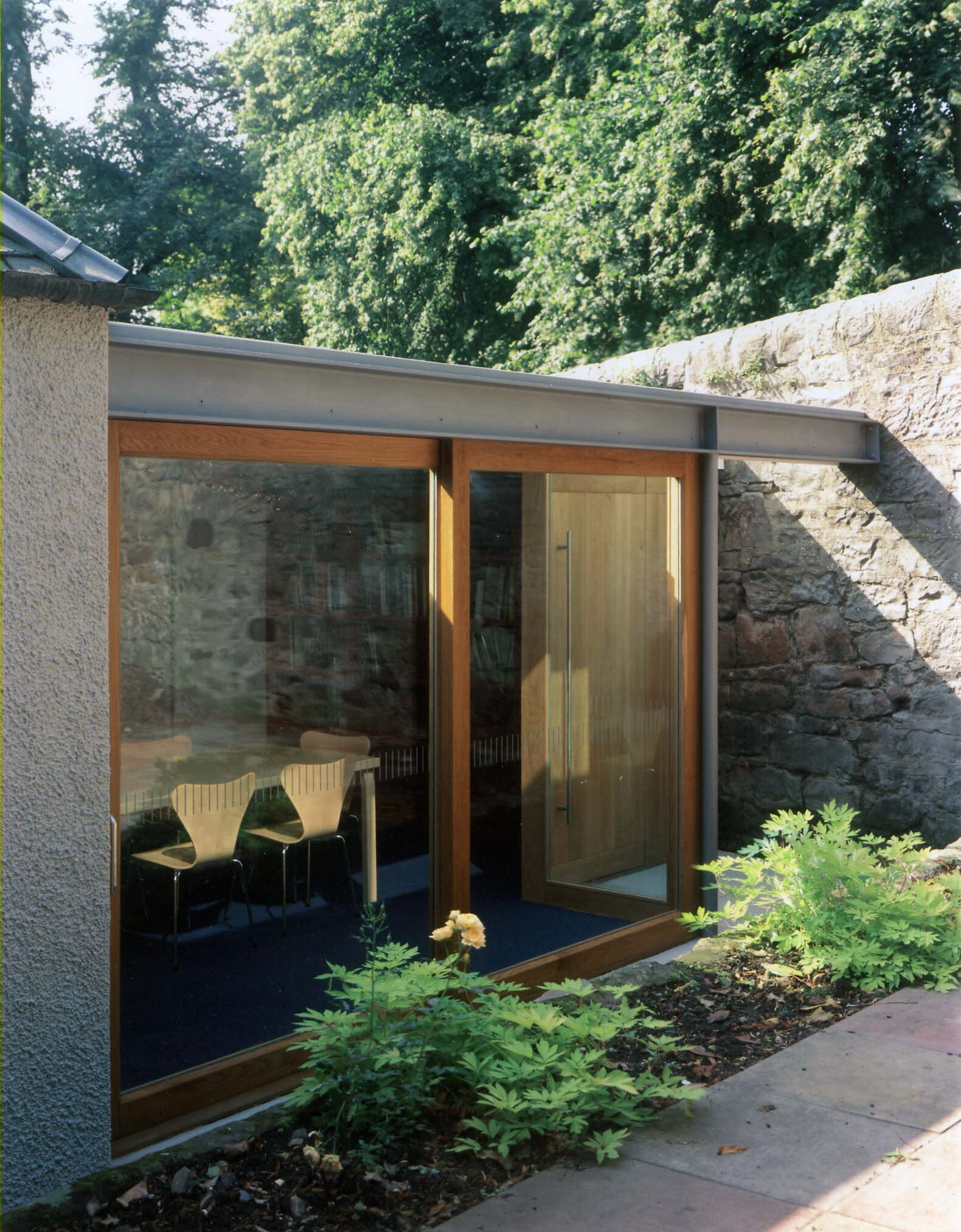
The appointment followed a limited competition for the phased refurbishment of the gallery. Hugh Broughton Architects developed a masterplan and then work was carried out throughout the estate of the National Galleries of Scotland to enable relocation of activities from the main gallery to free up additional display space. The first project comprised the conversion and extension of the Cemetery Lodge into the Public Affairs Department with the creation of open plan offices and a simple steel, oak and glass meeting room overlooking a peaceful private garden. In the next project the Gallery of Modern Art Lodge was refurbished and extended for the Buildings Department. An elegant contemporary pavilion has been placed between the listed lodge and a stone boundary wall, providing a delicate counterpoise between new and old structures. Finally, planning consent was obtained for the upgrade and extension of the Dean Lodge to provide additional space for the Development Department. The scheme adopted a similar architectural palette to the previous projects. In 2007 we also carried out feasibility studies to analyse the spatial impact of the acquisition of the Anthony D’Offay Collection, a joint venture between Tate and the National Galleries of Scotland. |
|
|
|
|
|
|
|
|
|
|
|
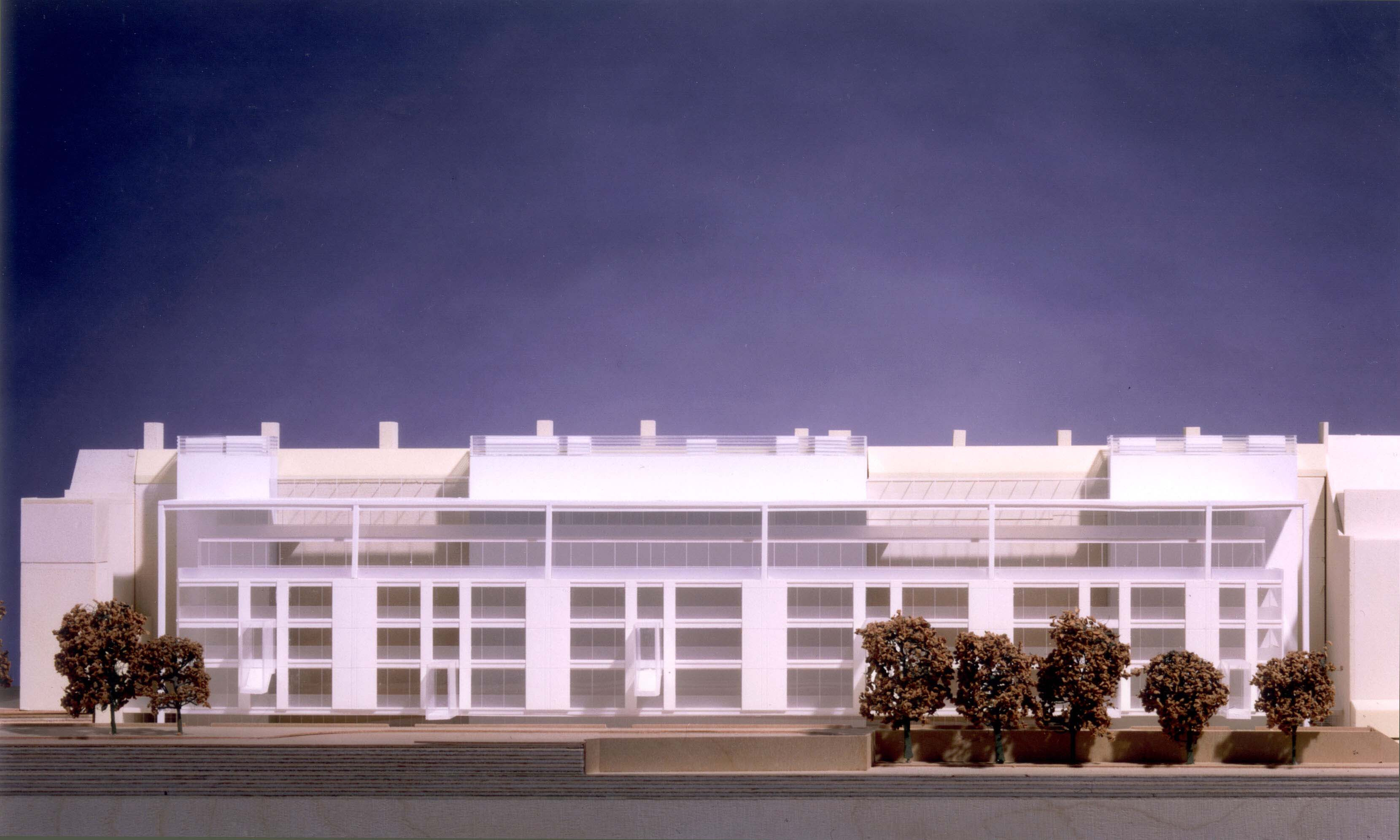
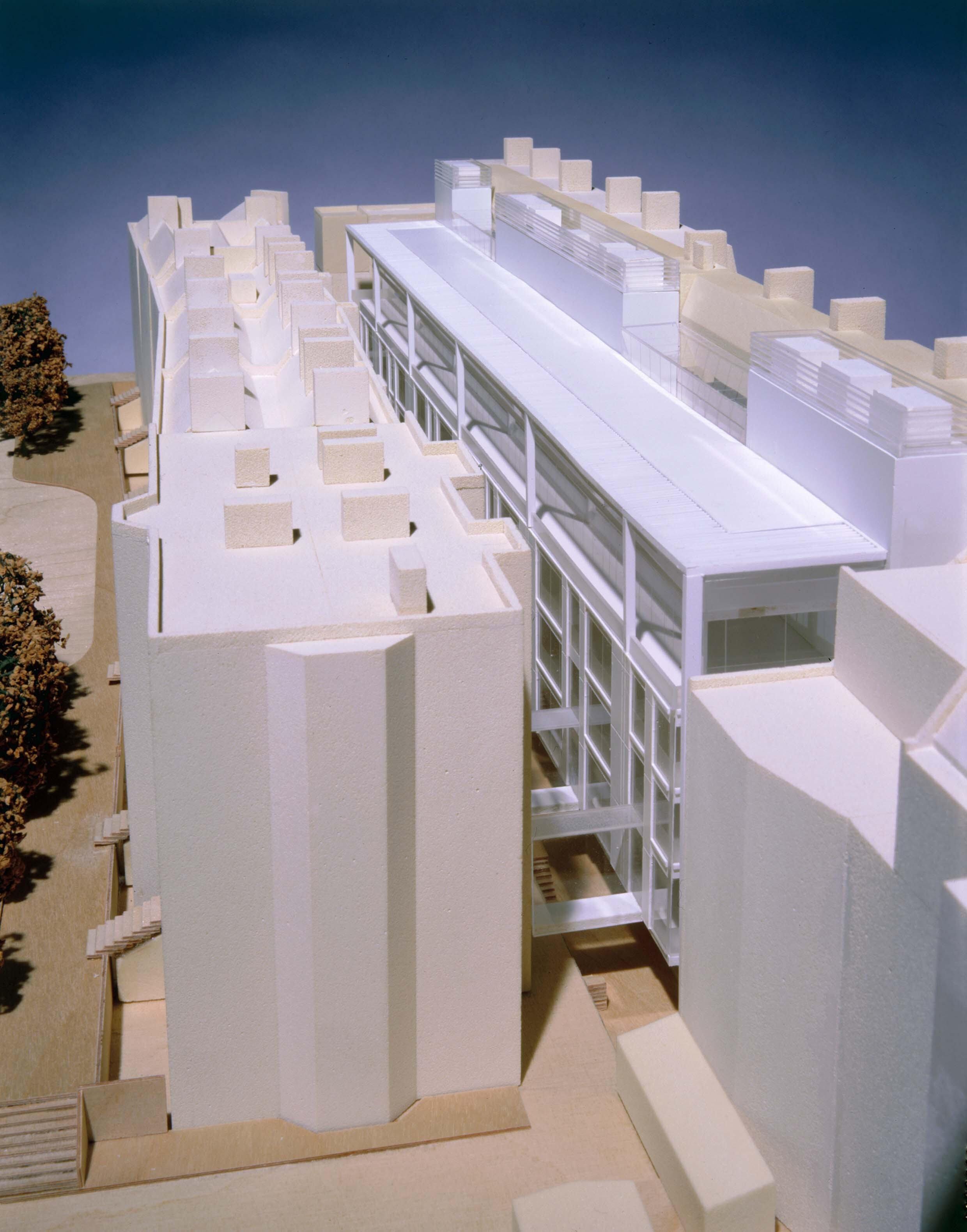
The Inner Temple is the largest of London’s four Inns of Court. Analysis of its existing accommodation showed a significant shortfall which could only be addressed by a substantial development beyond its boundaries. We started working with the Inn in 1998 developing a number of projects on its eastern edges. The largest involved the refurbishment of a 6,000 sqm 19th Century office building and development of a further 4,000 sqm extension to provide barristers’ chambers, libraries and conference rooms. The extension spans two Conservation Areas and is linked to an exemplary listed terrace along King’s Bench Walk. The exterior of the new building is clad in white precast concrete panels and glass providing a simple and light reflective counterfoil to the brickwork of the listed terrace. The extension is linked to the listed terrace with a series of glazed link bridges. The 19th Century building will be refurbished and linked to the extension across rooflit atria. The proposal was supported by English Heritage and the Corporation of London during the pre-application process. |
|
|
|
|
|
World Intellectual Property Organisation Headquarters
|
|
|
|
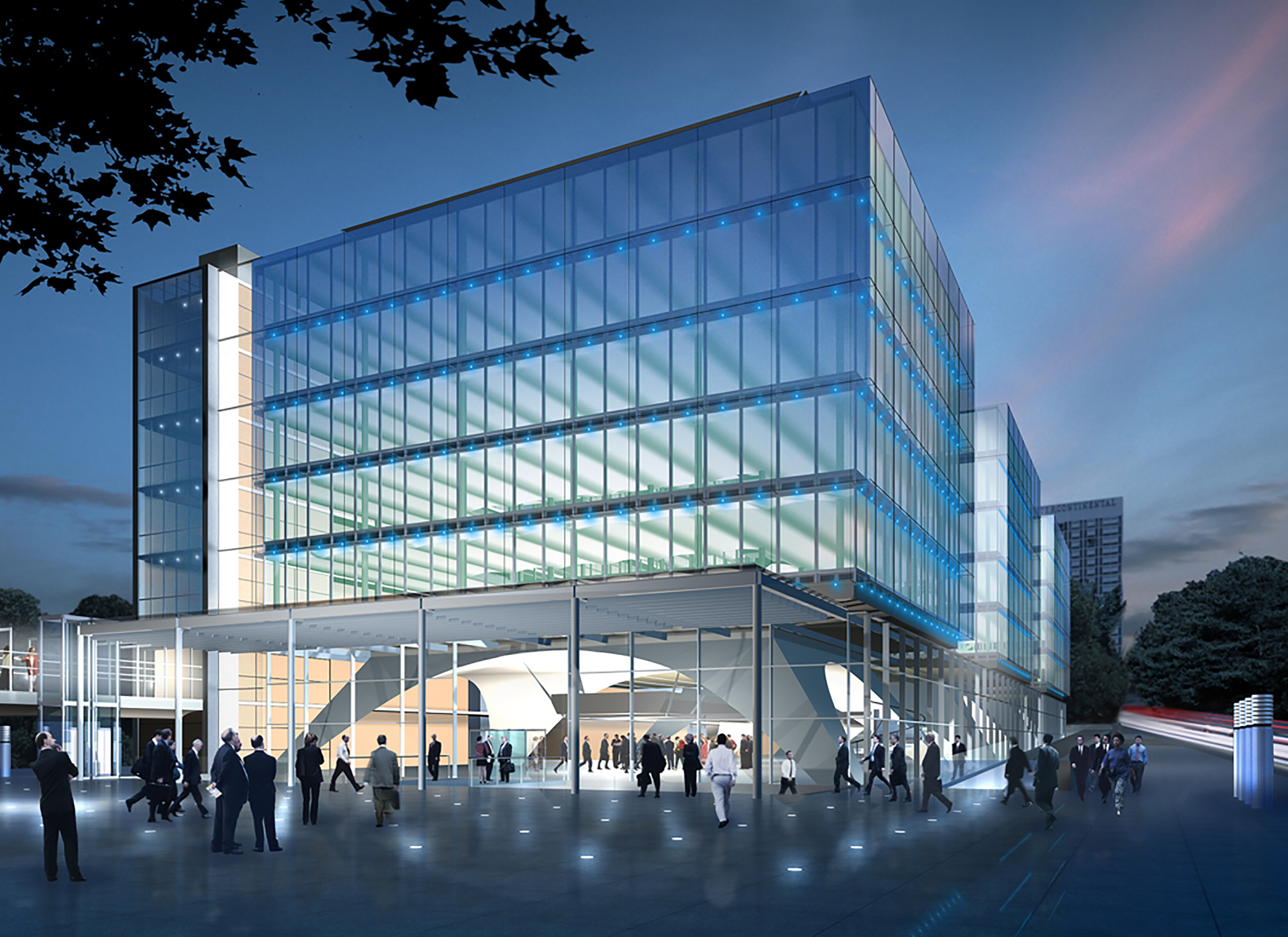
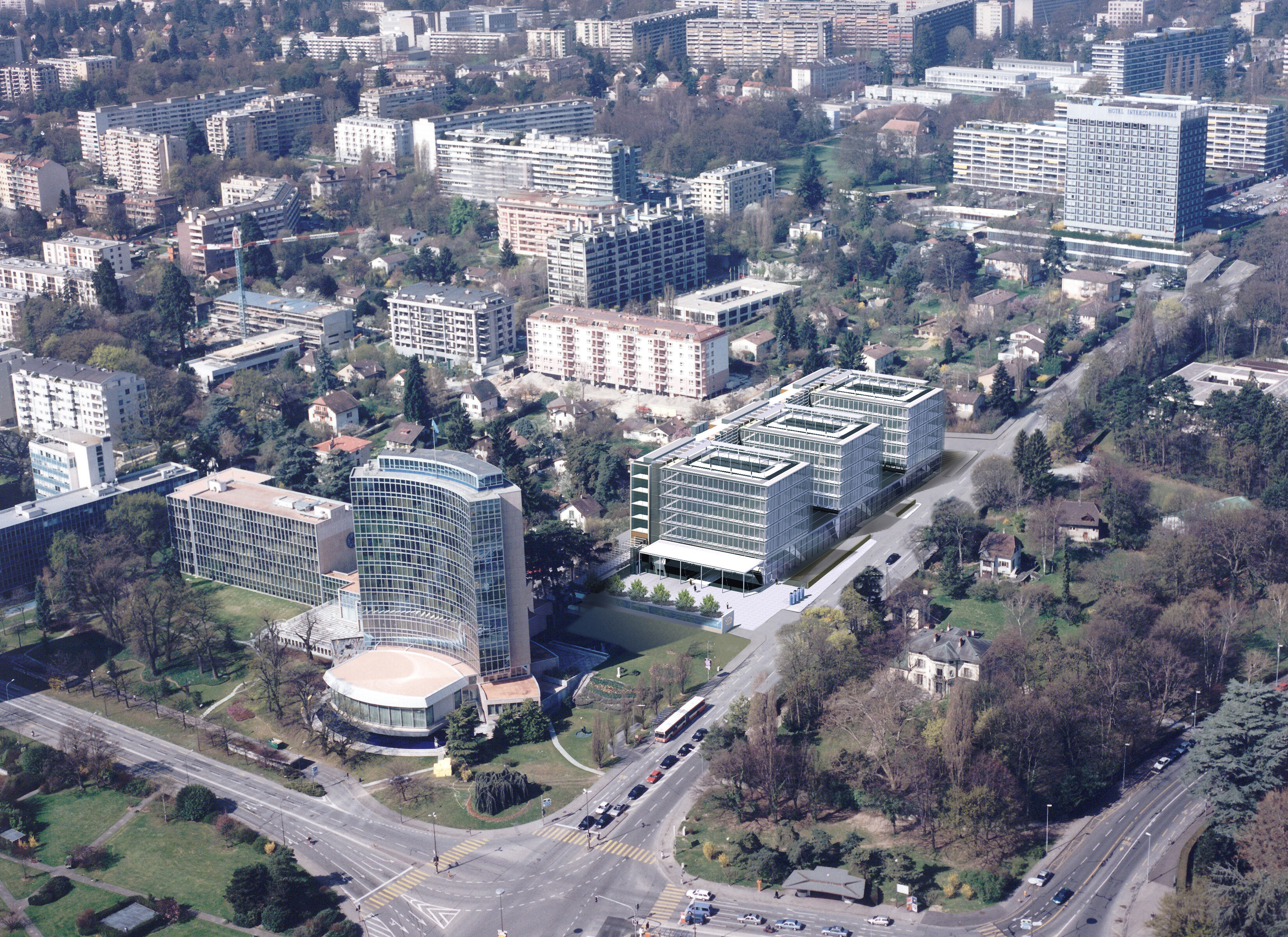
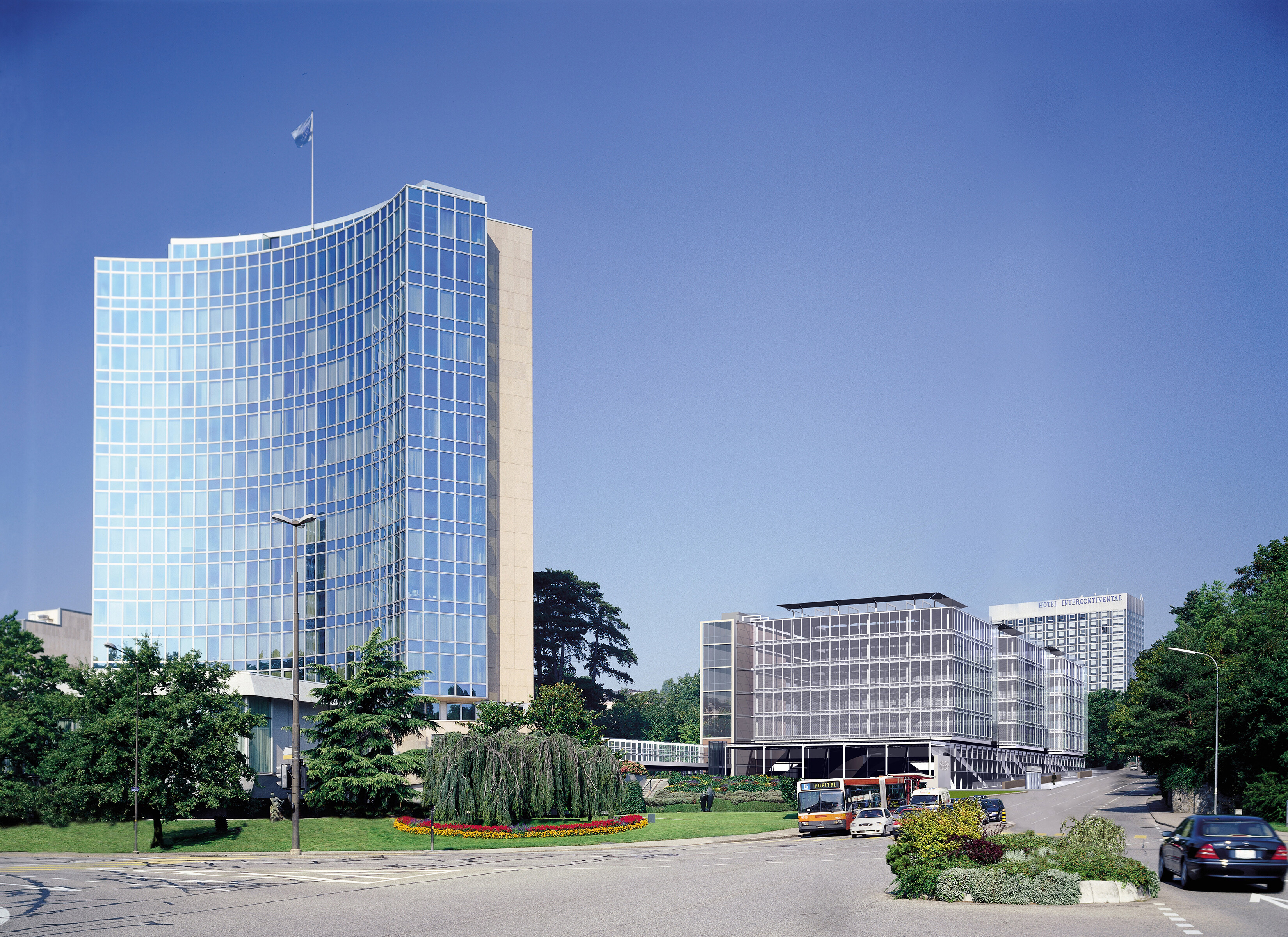
Hugh Broughton Architects supported by Arup were the only British team shortlisted in the international competition to design a 30,000 sqm headquarters for the World Intellectual Property Organisation in Geneva. The shortlist was drawn up from an initial application of more than 800 architects from 62 countries. Our design placed offices in three naturally ventilated blocks sitting on concrete shell transfer structures. The building is entered over a bridge with public spaces organised on the ground floor. The building is clad in a triple glazed façade system to form a buffer perimeter zone that assists natural ventilation of offices. Light emitting diodes set into the floor edge illuminate the façades. They are programmed so that the building slowly and subtly changes colour. The cores have an expressed concrete frame that is infilled with dark metallic panels. Between each core the circulation routes are glazed allowing dramatic views through the building. Energy efficiency is a key aspect in the design of internal climate control systems. Air is supplied via an underground thermal labyrinth which tempers the outside air and then distributed through the raised floor at each level. Exhaust air is expelled via the central atrium. In winter air is locally heated at the perimeter by a low temperature hot water system. During summer offices are ventilated at night to cool the exposed wave form slabs. These absorb heat during the day, helping to maintain a comfortable environment without the need for local cooling. |
|
|
|
|
|
|
|
|
|
Kings Bench Walk is located within the Temples Conservation Area. The buildings are Grade II listed and contain barristers’ chambers. The area to the rear of the buildings is occupied by a series of former coal stores. Within the Temple there is a shortage of conference space. Access for people with disabilities is difficult and barristers have been looking for high quality serviced office accommodation in newly developed buildings on the edges of the Temple. The scheme proposes a series of two-storey pavilions connected at lower ground level to the 18th century buildings with clear frameless glass links. Each pavilion is self contained with its own stair, toilet and kitchenette. Platform lifts on King’s Bench Walk enable access for those with disabilities. Continuous glass rooflights to the rear of each pavilion manage changes in the geometry of the site and maximise light penetration into the buildings. Curved roofs provide a voluminous feel to the top level rooms. The project received planning permission and listed building consent from the Corporation of London. |
|
|
|
|
|
Edinburgh Castle Restaurant
|
|
|
|
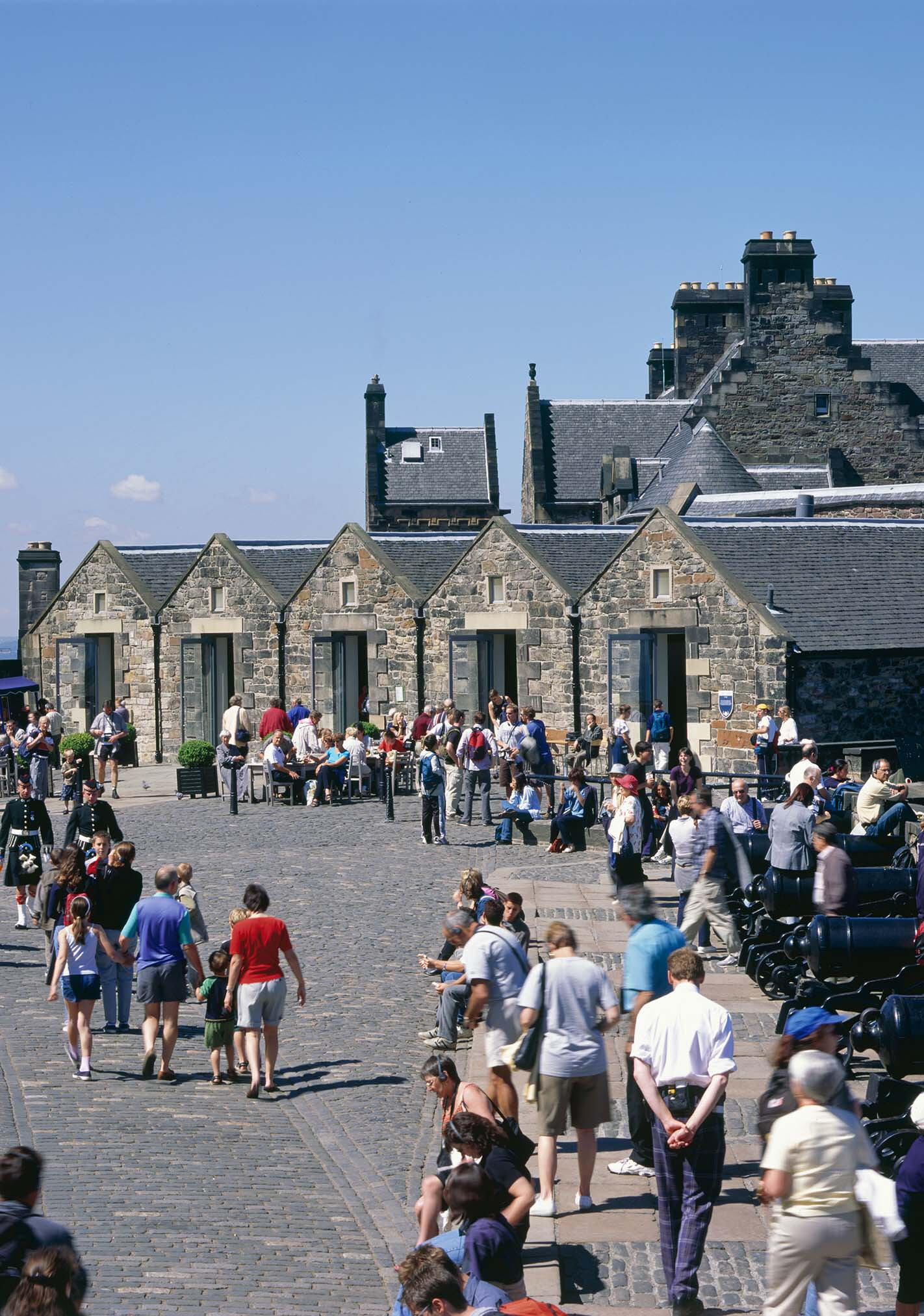
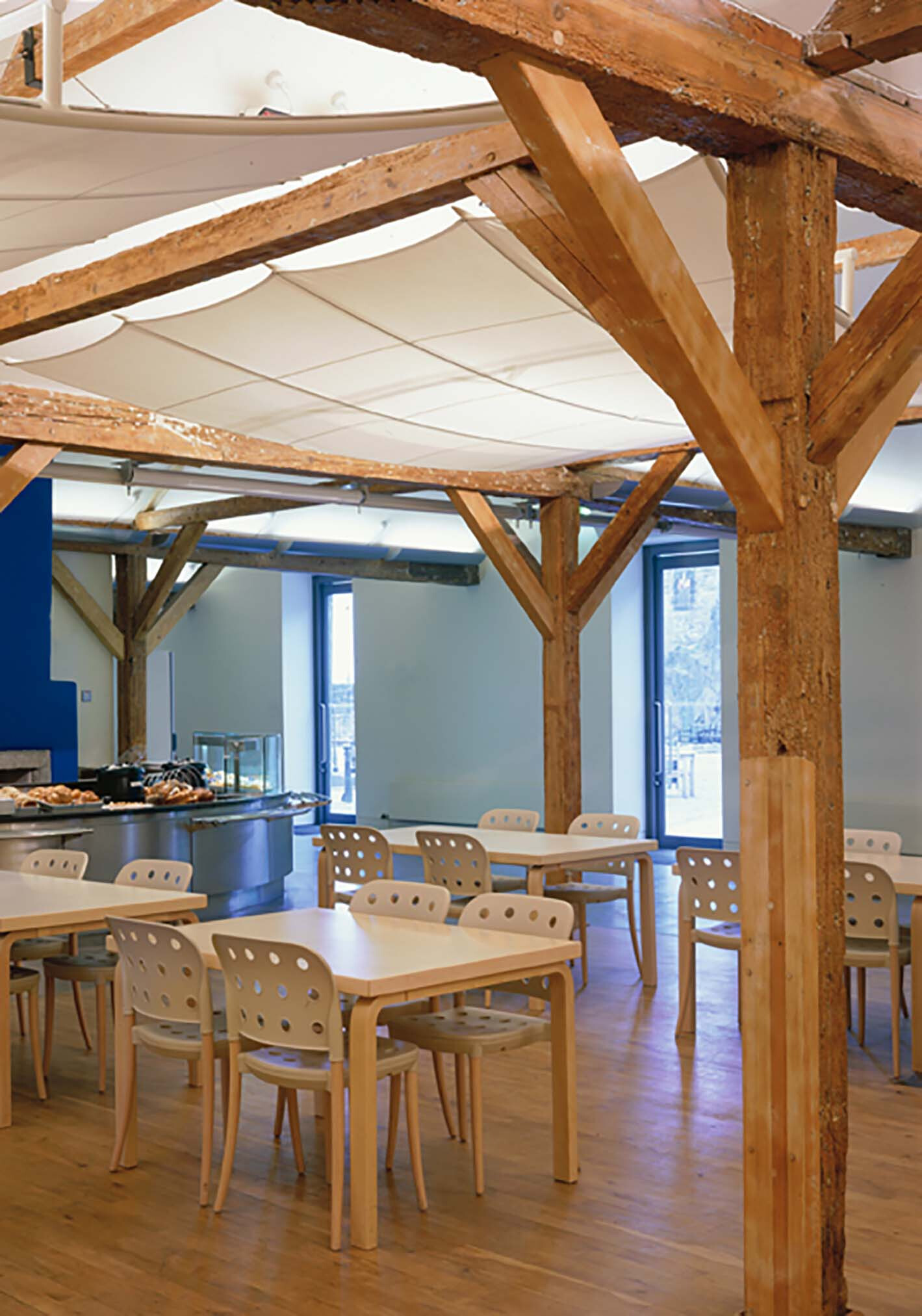
Dugal Campbell originally designed Mills Mount Restaurant at Edinburgh Castle as cart sheds in 1746. It was subsequently used as army barracks before its current use. The building was extended with the addition of the Jacobite Room in 1992 and it is owned by Historic Scotland. The restaurant forms part of the Scheduled Ancient Monument, which has up to one million visitors a year. It is used as a restaurant by day and for regular night functions throughout the year. Our scheme addressed shortfalls in appearance, layout and circulation. Through the introduction of full height glazed openings in the positions of original doors, the activity within was revealed to visitors walking around the castle. Kitchen facilities have been rationalised and pulled away from the main façade. The five gable ends have been opened up with 2.7 metre high clear glass doors in each. Internally the café and servery area of the restaurant have been paved in limestone with the dining areas finished with an oak floor. Servery elements are made in stainless steel and black granite. Suspended tensile fabric canopies reduce the volume over the seating area. New furniture, finishes and doors compliment the modern expression of the intervention. A dramatic lighting scheme ensures that the restaurant appears bright in the day and animated by night. |
|
|
|
|
|
|
|
|
|
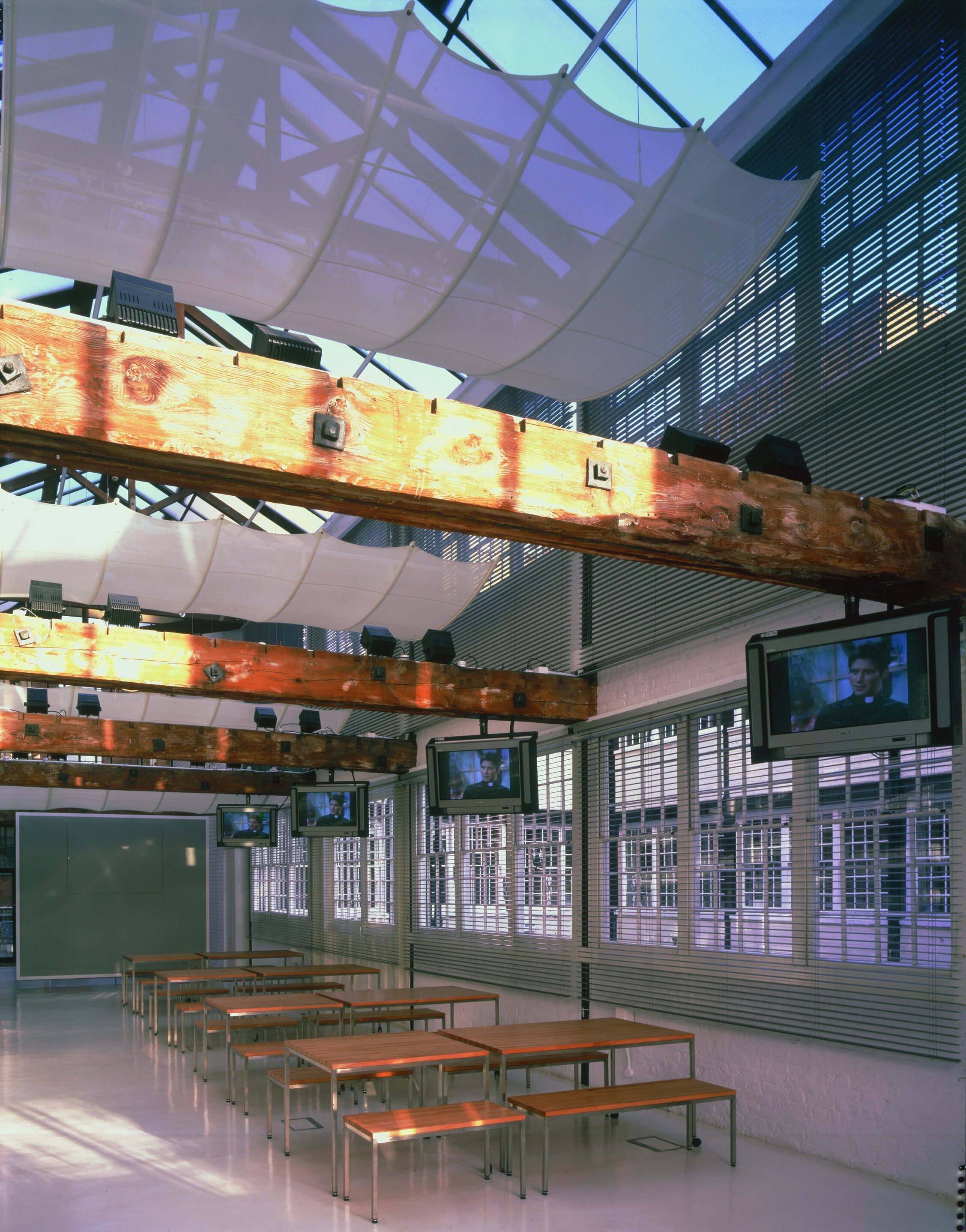
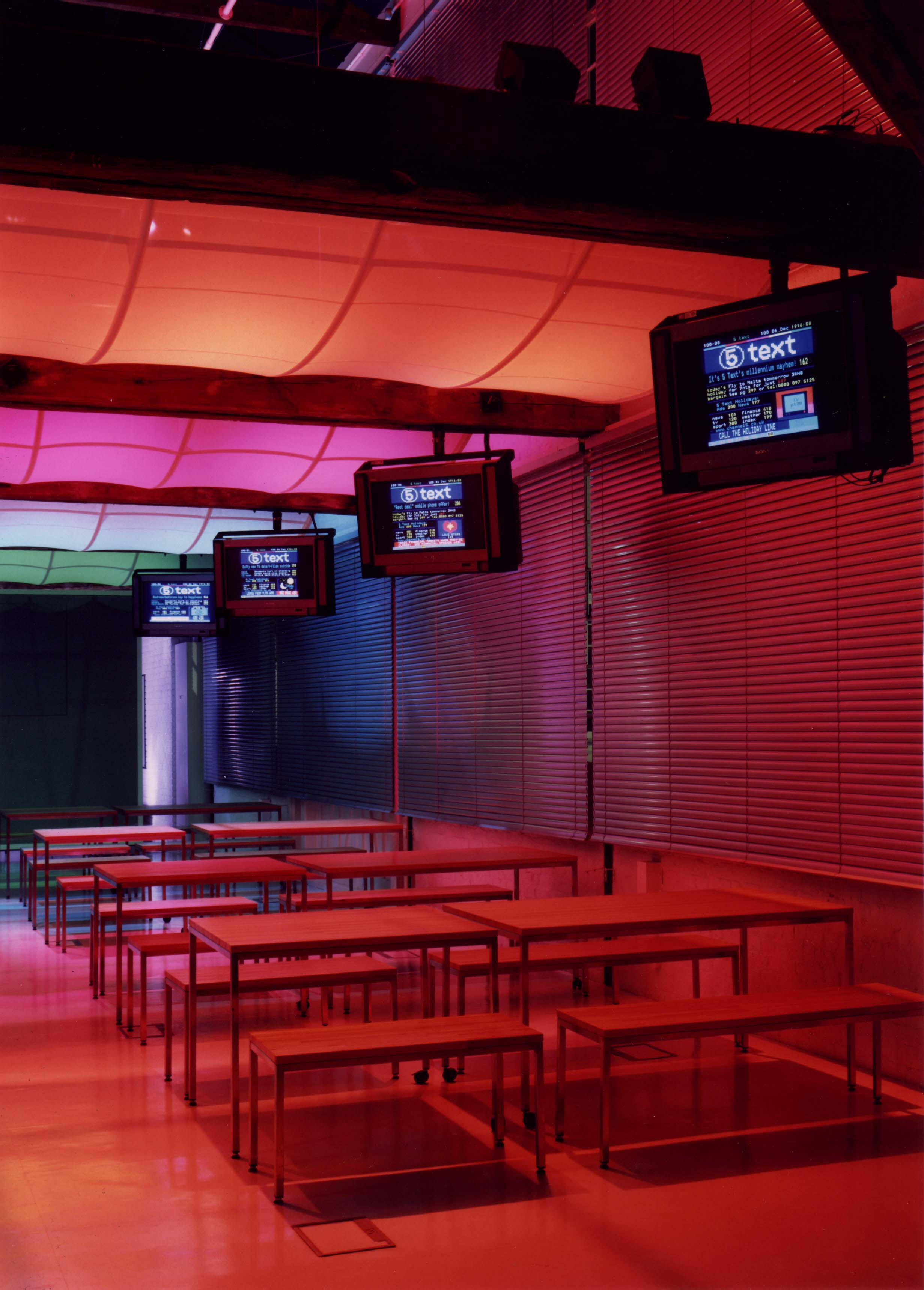
Hugh Broughton Architects won a limited competition to refurbish the atrium to the rear of Channel 5’s headquarters. The 150 sqm glazed space had been used as an informal meeting and coffee space but in summer the large areas of glazing rendered the atrium very hot and uncomfortable. The extent of natural light precluded the use of the space for presentations and the poor vending machines and furniture left it uninviting to staff. Finishes compounded the situation and highlighted the disparity between the atrium and the rest of the building. The project addresses these shortfalls to produce a multi functional space which provides a group work area and an inviting staff café. A floating partition, housing a high quality back projection screen, separates the group work area from the main space. Air conditioning and motorised blinds combat heat gain and high levels of daylight to provide a comfortable environment all year round. The scheme is animated by a number of dynamic interventions. Steel framed concave fabric suspended canopies are controlled by a system of pulleys and capstan wheels and can be moved up and down to vary the volume of the space. Dramatic colour mix lighting brings the atrium to life at night, the colours reflected off white painted walls and a new white rubber floor. Hugh Broughton Architects designed the café furniture and bar to compliment the restrained architecture. |
|
|
|
|
|
Bed Chamber, Kiftsgate Court
|
|
|
|
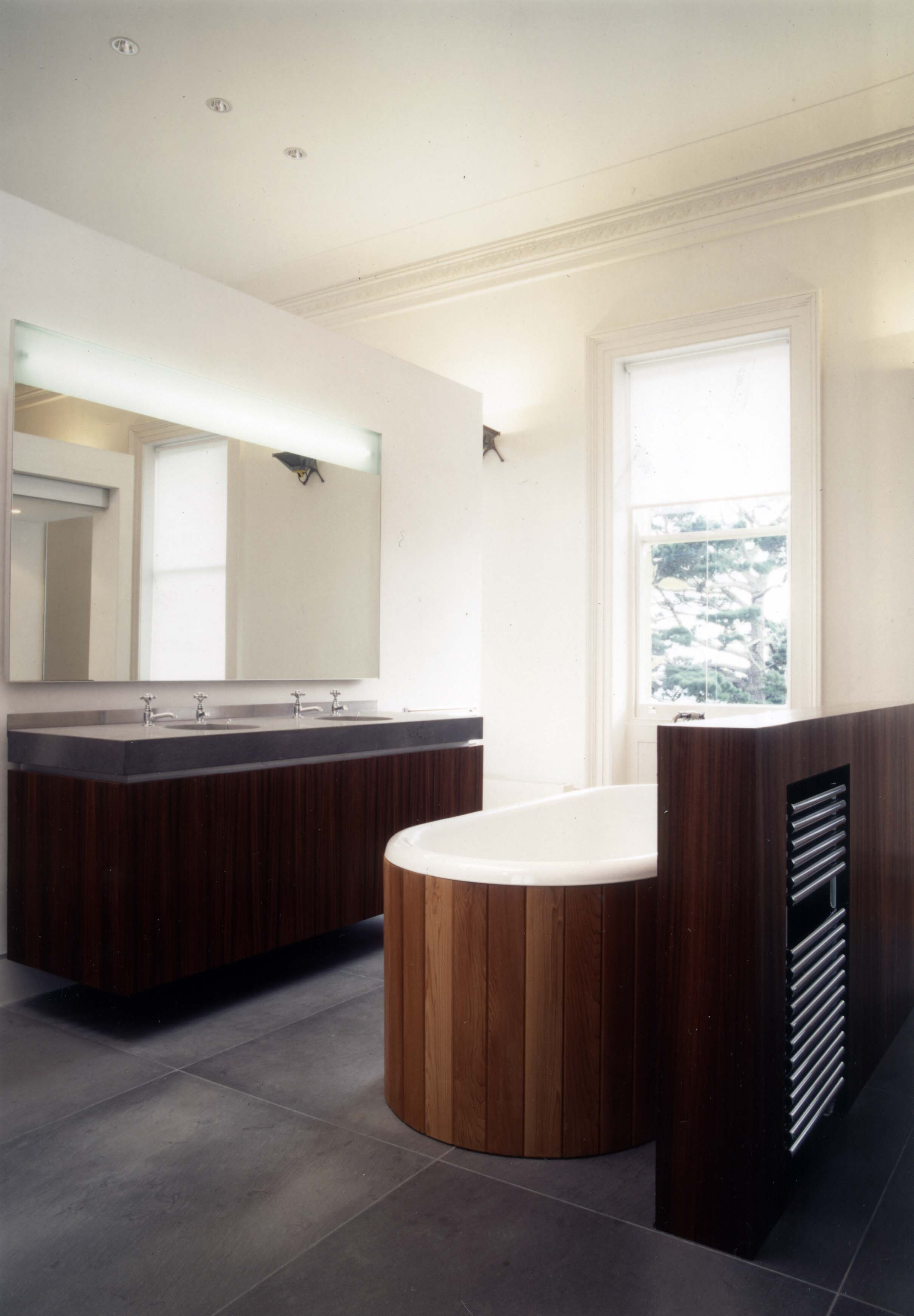
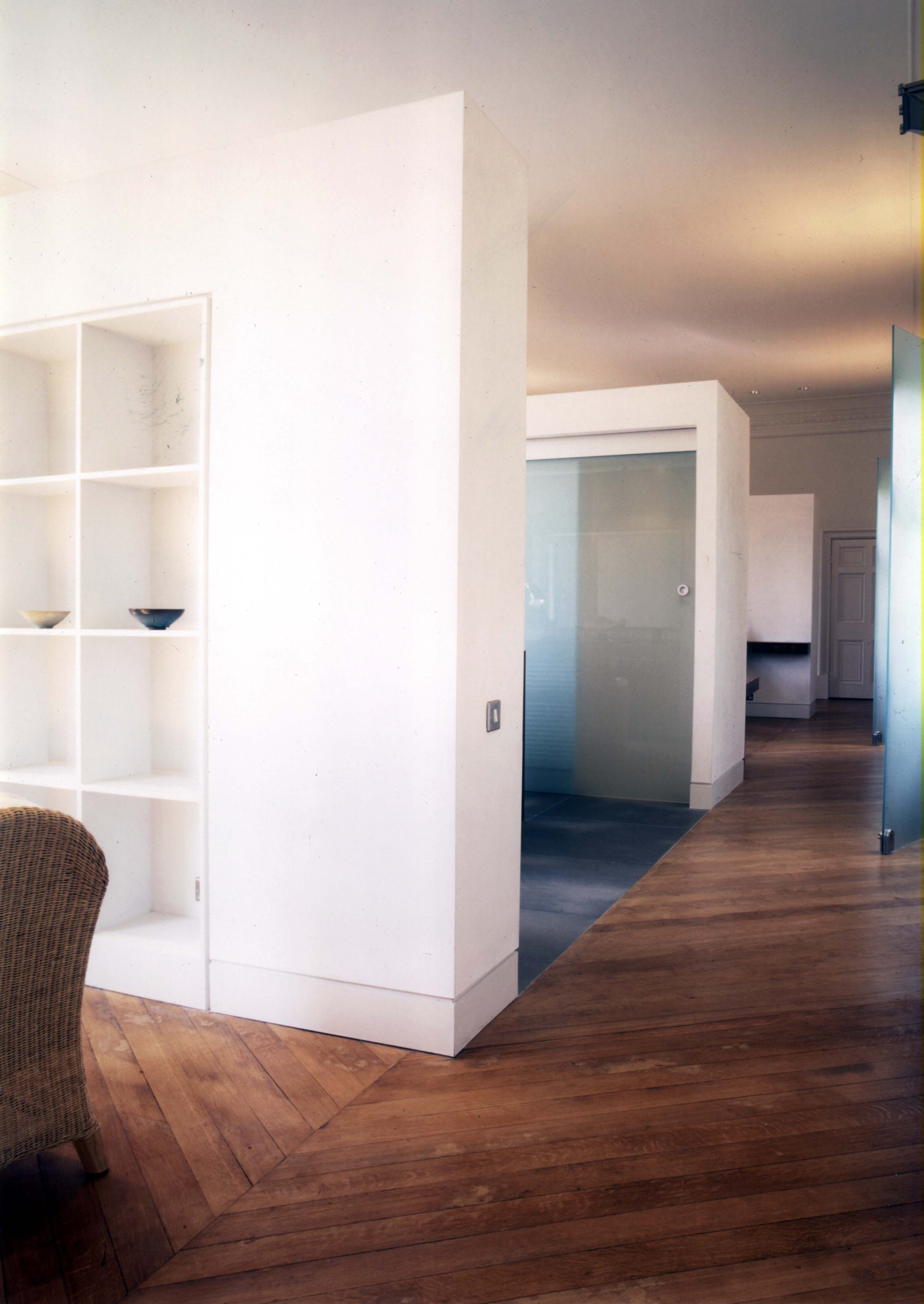
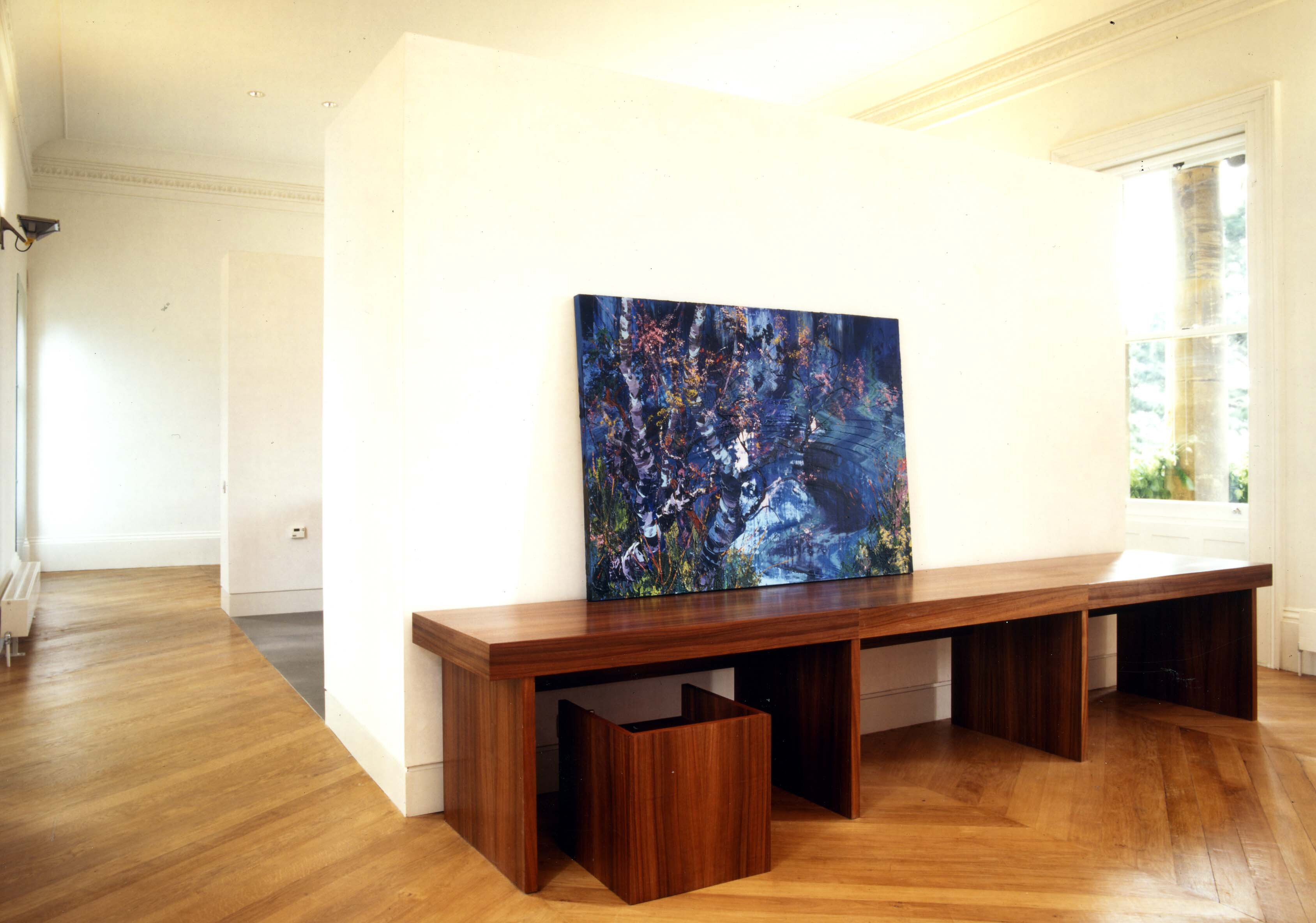
The ballroom, at the south end of the house, had been partitioned in the 1920s to create a series of smaller rooms with lowered ceilings. The new space reinstates the original volume to provide dressing, sleeping, bathing and sitting areas. The existing envelope has been carefully restored, ceilings raised, protruding chimney breasts demolished, windows refurbished and original fibrous plaster cornices reinstated. The east facing windows are hidden behind flush pivoting acid etched glass screens. Pods of accommodation placed perpendicular to the main axis of the space divide the different areas and provide a contemporary counterpoint to the historic envelope. They contain cupboards, the toilet and shower and book shelves. In the open plan bath area a thick stone vanity top hovers above a walnut veneered base. The cedar clad bath is placed next to a low veneered wall concealing the towel rail. The floor stone slabs are laid flush to the restored oak floor and are carried into the shower, water draining through open joints to a tray below. The reinvigorated space forms a light, tranquil haven marked by simplicity and order. |
|
|
|
|
|
|
|
|

syncstudio.jpg)
.jpg)
hughbroughtonarchitects.jpg)
dirk-lindner-(01).jpg)
dirk-lindner-(03).jpg)